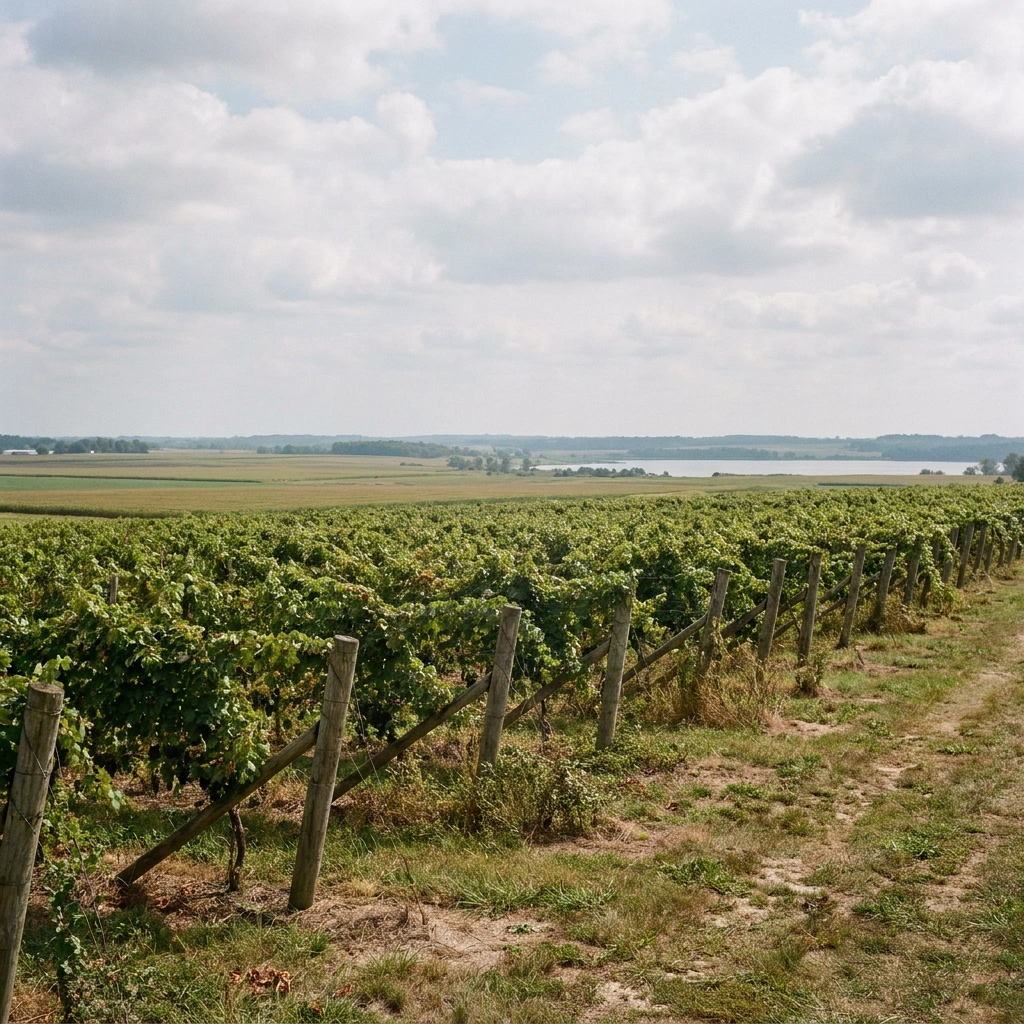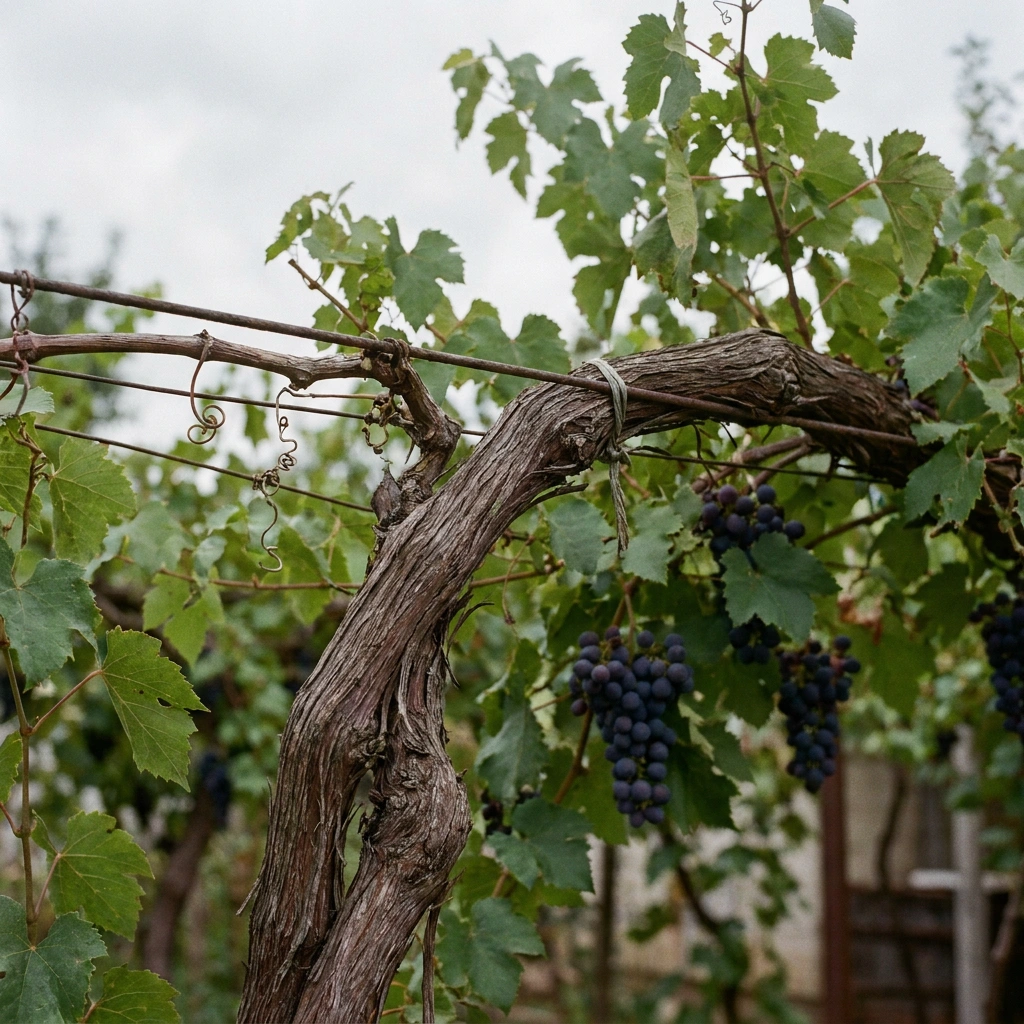
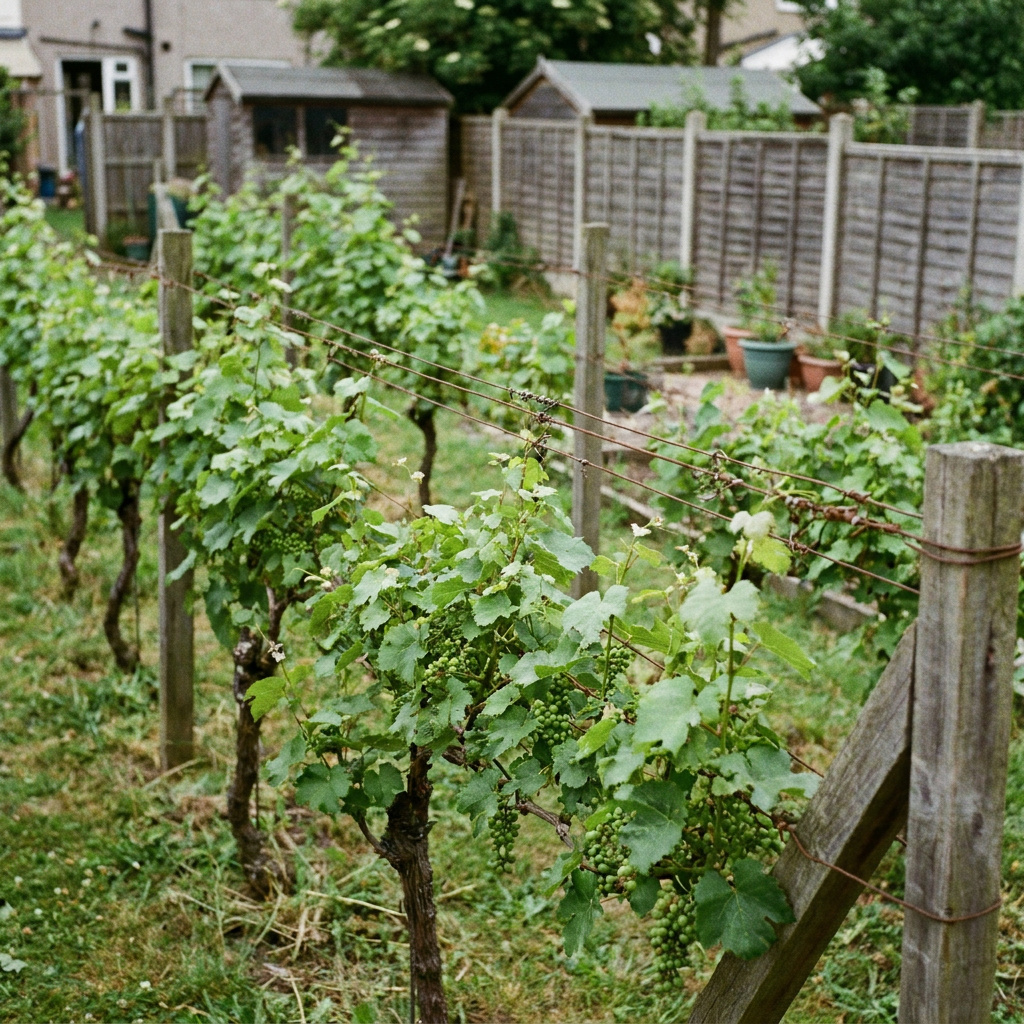
You can grow grapes in your backyard in six steps: choose a cold-hardy variety for your climate zone, pick a full-sun site with good drainage, build a simple trellis before you plant, put the vine in the ground in early spring, train and prune it patiently over the first three years, and protect it from hard winter freezes. Do that consistently and you will have a productive backyard vineyard in three to four growing seasons.
This guide walks you through every step below, and wherever possible points you to deeper guides on this site so you can dig into the parts that matter most for your situation.
Step 1: Choose a Cold-Hardy Variety
The single biggest mistake beginners make is buying a Cabernet Sauvignon vine because they like Cabernet Sauvignon wine. European Vitis vinifera varieties are not reliably winter-hardy below about 0 °F (-18 °C), and in most of the Upper Midwest, Northeast, and Mountain West that means they die to the ground or die outright most winters.
If you are in USDA Zones 3-6, start with a University of Minnesota release or another proven cold-climate hybrid. These are bred specifically to survive harsh winters and still produce wine-quality fruit:
- Marquette – hardy to about -30 °F (-34 °C); produces rich red wine with Pinot-like character; released by U of MN in 2006.
- Frontenac – hardy to about -35 °F (-37 °C); high-acid red that makes excellent rosé or port-style wine; one of the hardiest reds available.
- La Crescent – hardy to -30 °F (-34 °C); aromatic white with apricot and citrus notes; excellent for Zone 4.
- Itasca – hardy to -30 °F (-34 °C); newer UMN white variety; lower acid than La Crescent; beautiful as a still dry white.
- Petite Pearl – developed by Tom Plocher; hardy to about -35 °F (-37 °C); dark-fruited red that many growers call the most exciting new variety of the decade.
- Concord – the reliable American standby; hardy to Zone 4; excellent for juice, jelly, and table eating.
If you are in Zone 7 and warmer and want wine grapes, Chambourcin, Norton, or Vidal Blanc are more appropriate. If you simply want table grapes, Reliance and Mars are tough and productive into Zone 5.
Step 2: Pick and Prepare Your Site
Grapevines need two things above almost everything else: full sun (at least 6-8 hours of direct sun per day) and good drainage. A south- or southwest-facing slope is ideal because it gets maximum sun exposure and cold air drains downhill rather than pooling around the vines on a frost night.
Soil pH should be 5.5-6.5. Test your soil before you plant – a $15 kit from a garden center is good enough for a home vineyard – and amend with lime if your pH is below 5.5 or with sulfur if it’s above 6.5. Grapevines do not want rich, heavily fertilized soil; they actually produce better fruit under moderate stress. Cornell Cooperative Extension recommends against adding compost at planting time specifically because high nitrogen pushes leaf growth at the expense of fruit.
Spacing: for most home vineyard trellises, plant vines 6-7 ft (1.8-2.1 m) apart in the row, with rows 8-9 ft (2.4-2.7 m) apart if you have multiple rows. Our full guide on grape vine spacing covers the tradeoffs in detail.
Step 3: Build Your Trellis Before You Plant
A grapevine will outlive most of the other plants in your garden – some live 50+ years. The trellis has to be built to last. Put it in the ground before the vine, so the vine has something to grab from day one.
For a simple single-vine home setup, a basic two-wire vertical trellis (VSP – Vertical Shoot Positioning) is the right choice. The Geneva Double Curtain is a commercial divided-canopy system designed for long rows of multiple vines, not a single home vine. You need:
- Two heavy end posts (at least 4-inch diameter, 8 ft / 2.4 m long, set 2-3 ft / 60-90 cm into the ground)
- Line posts every 15-20 ft (4.5-6 m) between end posts
- 12.5-gauge high-tensile galvanized wire for the fruiting wire (the lower structural wire that bears the vine’s weight); 14-gauge smooth wire is sufficient for the upper catch/foliage wires
We have a full grape trellis construction guide with dimensions and materials lists if you want the complete walkthrough.
Step 4: Plant the Vine (Timing + Method)
Plant in early spring, just as the ground thaws and before the vine leafs out – usually March or April in Zones 4-6. Bare-root vines planted while dormant establish faster than potted vines planted in summer because the roots have the whole spring to settle in before summer heat arrives.
Dig a hole about 12 in (30 cm) deep and 12 in wide. Set the vine so the graft union (the knobby bulge where the scion meets the rootstock) sits about 2 in (5 cm) above the soil surface. Backfill with native soil – no amendments – firm it gently, and water thoroughly. Trim the top of the cane back to two strong buds; this redirects energy into root establishment rather than top growth.
Our soil preparation and planting guide covers pH adjustment, rootstock considerations, and what to do if your soil has drainage problems.
Step 5: Train and Prune the Vine in Years 1-3
This is where most backyard growers lose patience – and where most of the long-term success is determined. The goal of the first three years is to build a strong trunk and permanent arms (called cordons), NOT to produce fruit.
Year 1: Let the strongest shoot grow. Tie it loosely to a stake as it reaches upward. Remove all lateral shoots. If the vine reaches the top wire, pinch the growing tip in August so it hardens off before frost. Target trunk height: 36-48 in (90-120 cm) by end of season.
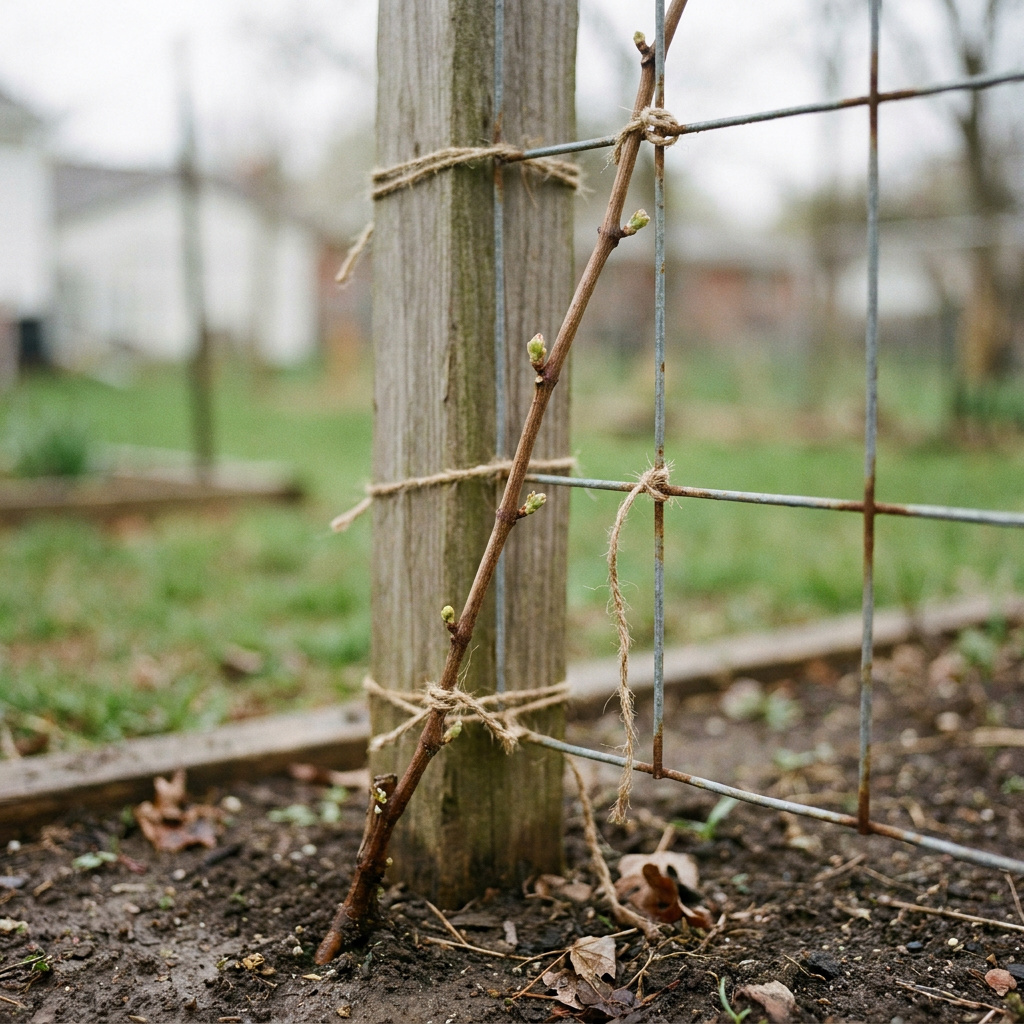
Year 2: In late February or early March (before bud swell), cut the main cane back to just above the top wire. Choose two side branches to become your permanent cordons and tie them along the top wire in both directions. Remove all other growth. You may get a small berry cluster in Year 2 – pick it off. Letting it ripen weakens the vine.
Year 3 and beyond: This is the year you begin proper annual spur pruning. Each cordon should have a series of spurs spaced about 4-6 in (10-15 cm) apart, each pruned to 2 buds. The vine will carry its first real crop in Year 3 or 4. Keep the crop load modest the first fruiting year – UMN Extension recommends removing half the berry clusters to let the vine mature properly.
Pruning is the skill that takes the most practice. Our complete grape pruning guide has season-by-season photos and explanations of both cane pruning and spur pruning methods.
Step 6: Protect the Vine from Frost and Winter Cold
In Zones 3-5, late spring frosts (after budbreak) are more dangerous than deep midwinter cold for most cold-hardy hybrids. The primary buds are the most cold-sensitive once they have opened – a frost of 28 °F (-2 °C) for four or more hours after bud swell can destroy the entire crop for the year.
Practical protection strategies:
- Delay bud swell – a north-facing slope or shadier microsite delays budbreak by 7-14 days, getting you past the worst frost window.
- Row covers – lightweight frost fabric draped over the trellis and removed during the day buys a few degrees. Works well for single-vine home setups.
- Wind machines or overhead irrigation – large-scale commercial tools; rarely practical at home scale.
- Mounding – for marginally hardy varieties in Zone 4, mound 6-8 in (15-20 cm) of soil over the base of the trunk after leaf drop to insulate the graft union.
Step 7: Harvest and Turn Your Grapes into Wine
Most backyard growers harvest in late August through October depending on variety and zone. Don’t rely on color alone – taste a berry and measure the sugar with a refractometer if you want to be precise. Cold-climate wine grapes are typically harvested at 20-24 °Brix (the measurement of sugar content). At Brix levels below 20, the wine will be sharp and thin; above 26, it starts to taste jammy.
Our guide to knowing when grapes are ready to harvest covers Brix targets by variety, seed color, and taste indicators.
Once you have ripe fruit, making wine at home is more approachable than most beginners expect. A 5-gallon (19-liter) batch takes about 85-100 lb (38-45 kg) of fresh grapes and yields around 24 bottles. That weight surprises many beginners – wine grapes are mostly water and you need a significant quantity to fill a batch. We cover the full process for Baco Noir specifically in our Baco Noir wine guide, and the broader steps are in our home winemaking instructions.
Frequently Asked Questions
How long does it take to grow grapes from planting to harvest?
Expect to wait three to four years from planting a bare-root vine to your first meaningful harvest. You may see a few clusters in Year 2, but it is better to remove them so the vine builds root mass and a strong trunk. By Year 3 or 4 you can let the vine carry a small crop; a full crop load is appropriate from Year 5 onward.
What is the easiest grape to grow for beginners?
For cold-climate beginners in Zones 3-5, Marquette and Frontenac are the most forgiving – both are vigorous, disease-resistant, and extremely winter-hardy. For warmer zones or gardeners who mainly want to eat grapes fresh, Concord is nearly bulletproof and has been grown successfully by home gardeners for over 150 years.
Do grapevines need a lot of water?
Established grapevines are fairly drought-tolerant once rooted, but newly planted bare-root vines need consistent moisture through their first summer – roughly 1 inch (2.5 cm) per week. Avoid over-watering; grapevines genuinely dislike waterlogged soil. Good drainage is far more important than regular irrigation once the vine is two years old.
Can I grow grapes without a trellis?
Technically yes, but practically no. A vine allowed to sprawl on the ground is much harder to manage, has poor air circulation (which means more disease), and produces lower-quality fruit. Even a simple two-post, two-wire trellis makes a dramatic difference. Build the trellis before you plant – it is much harder to add it later without disturbing the established vine.
How much space does one grapevine need?
A single vine trained on a 2-wire trellis typically needs a run of 6-7 ft (1.8-2.1 m) of horizontal trellis wire. The root zone extends well beyond that, but above-ground the vine is contained to its assigned trellis space. One vine can produce 10-20 lb (4.5-9 kg) of fruit per year once mature, which is enough for 1-2 gallons (3.8-7.6 liters) of wine.
🍇 Don’t plant the wrong grape
Vines take years to fruit. Get the free cheat-sheet of varieties that actually survive and ripen in your zone.
By subscribing you agree to our Privacy Policy.