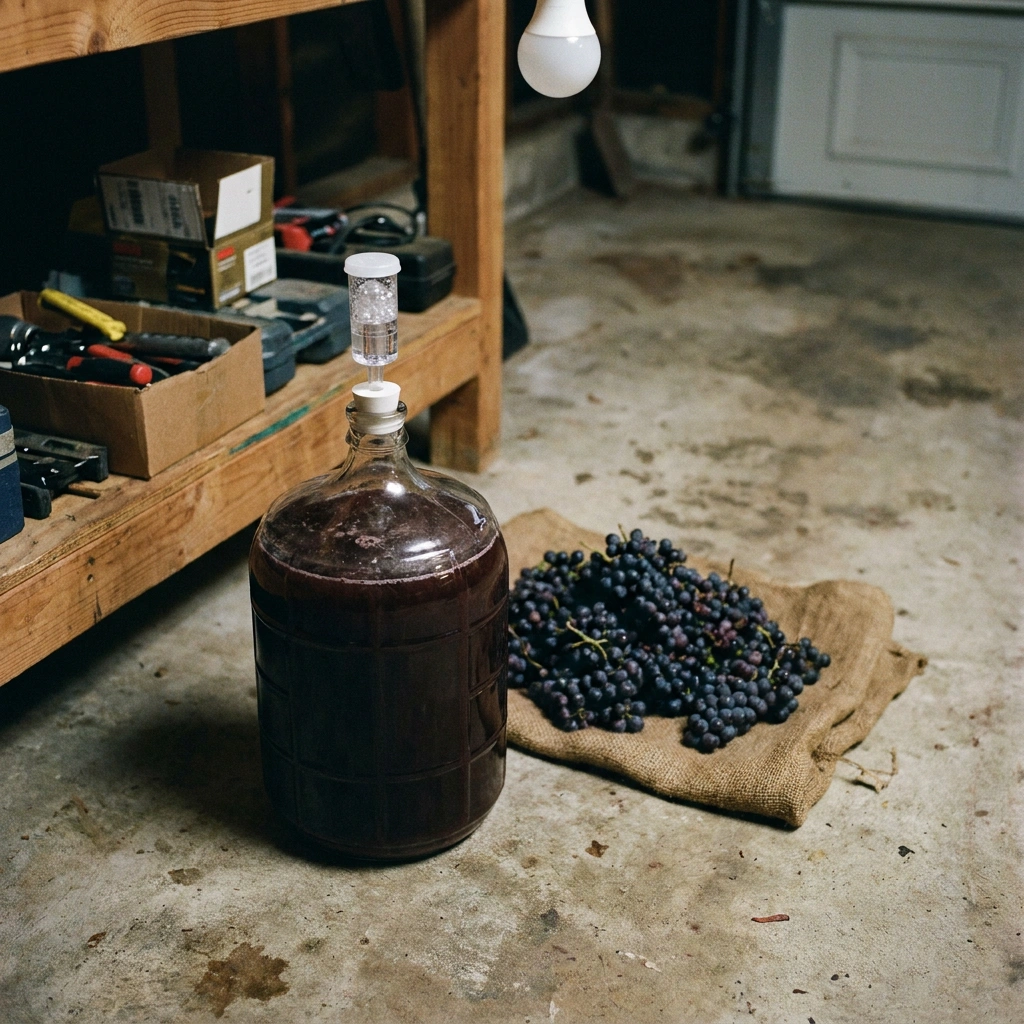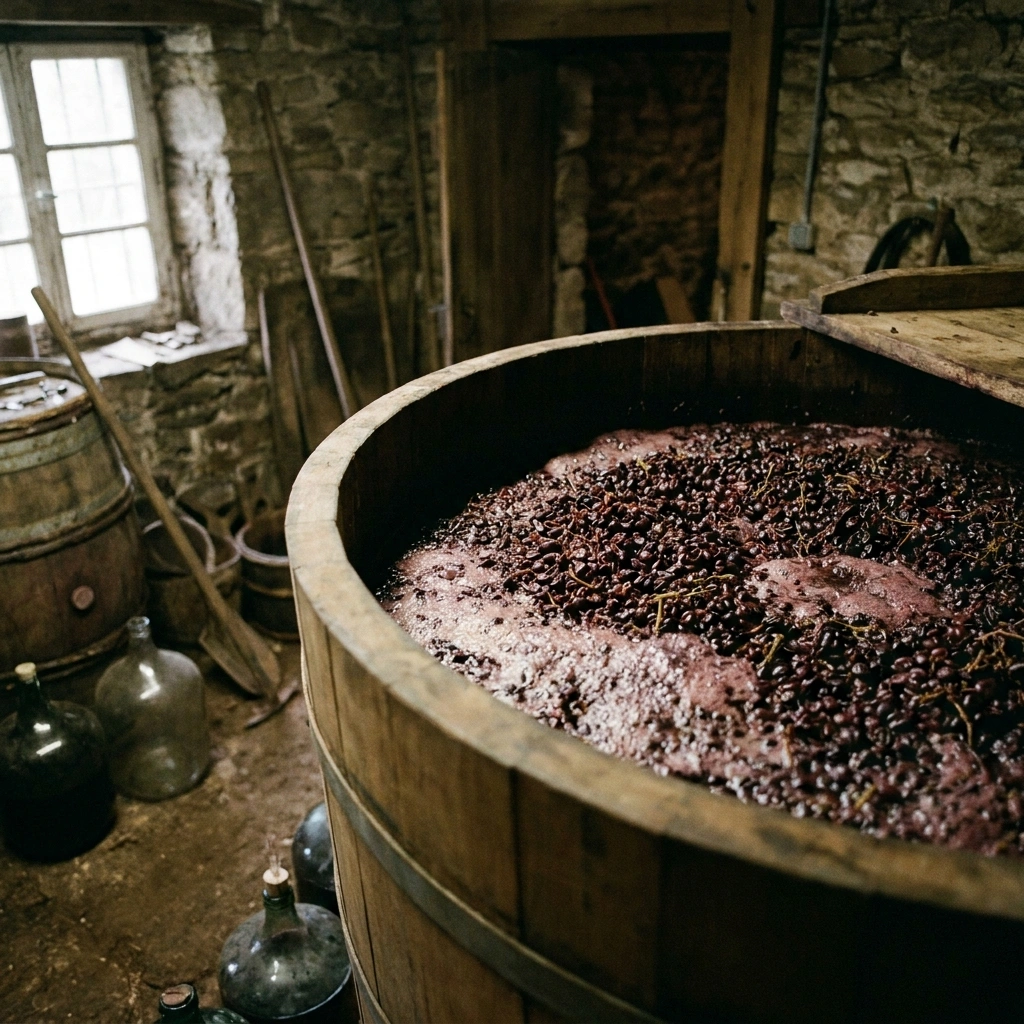
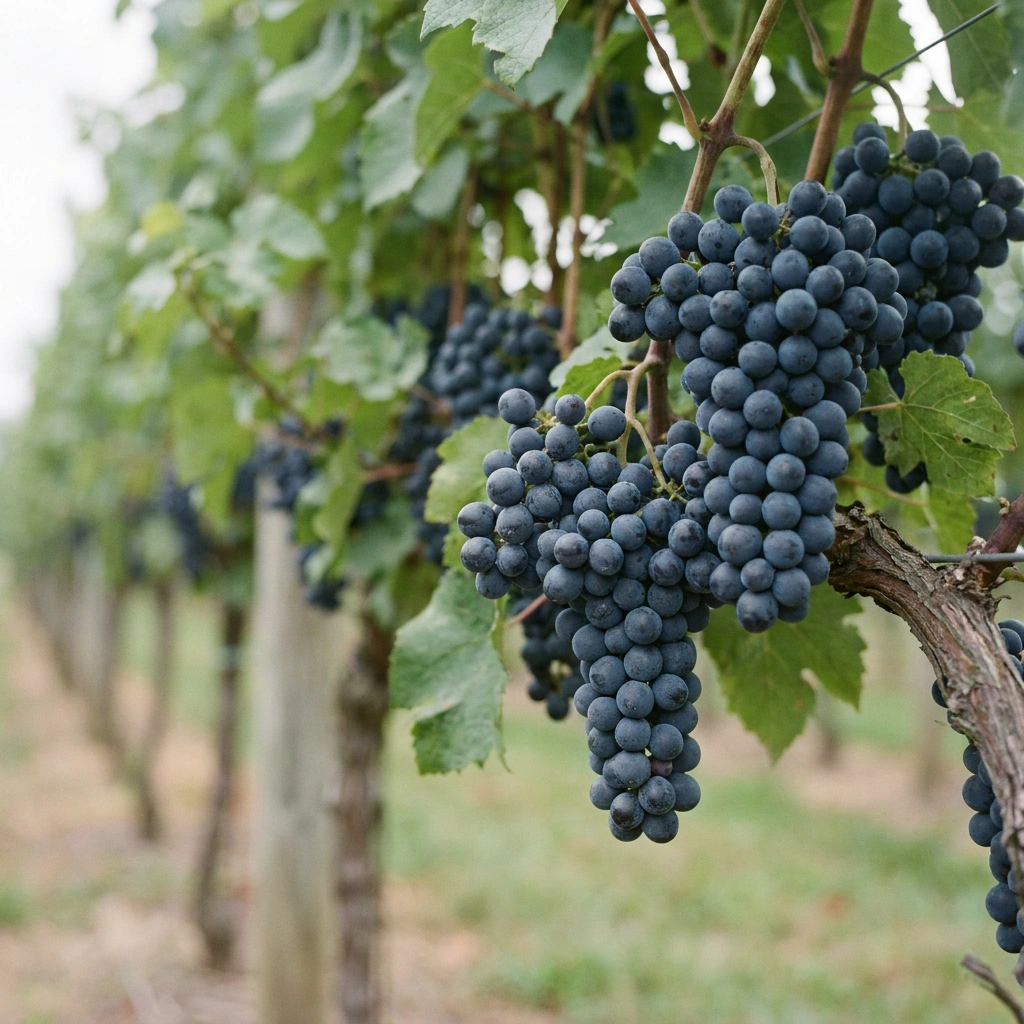
Concord grapes are one of the best cold-hardy varieties you can grow in a backyard vineyard. They thrive in USDA Zones 4-7 (and even parts of Zone 3 with good site selection), produce big, reliable crops almost every year, and make the classic deep-purple American grape juice, jelly, and sweet “foxy”-flavored table wine that generations of home winemakers have loved. If you’re new to growing grapes in a cold climate, Concord is one of the easiest places to start.
What Are Concord Grapes?
Concord is a labrusca-dominant cultivar selected in 1849 by Ephraim Wales Bull in Concord, Massachusetts, from wild grape seedlings native to New England. It looks, grows, and tastes like a Vitis labrusca grape in almost every way that matters – but genetic testing has confirmed it carries roughly one-third Vitis vinifera heritage, making it technically a hybrid rather than a pure American species. That European ancestry doesn’t change how it behaves in a cold-climate vineyard (it still handles Zone 4 winters with ease), but it does help explain the grape’s vigorous growth and consistent productivity compared to truly wild labrusca vines.
The berries are large, round, and deep blue-black with a characteristic dusty bloom – a natural waxy coating that helps protect the fruit. They have a thick slip-skin that pops off the pulp easily when you squeeze one. The flavor is intensely “grapey”: that unmistakable Concord note is called foxiness in wine circles, and it comes from methyl anthranilate, a compound found in labrusca grapes but not in European varieties. You know it instantly – it’s the same flavor as grape Kool-Aid or Welch’s juice. Some love it; some find it too strong. As a home grower, I find it’s one of the most satisfying grapes to grow because the harvest is just so abundant. If you enjoy that foxy American-grape character but want a pink grape for rosé wine and juice, Catawba is a close labrusca cousin worth a look.
Cold-Hardiness: Why Concord Excels in Northern Gardens
This is where Concord really shines for those of us in cold climates. Cornell University and the University of Minnesota extension services both recommend Concord as one of the most reliably winter-hardy American grape varieties for northern growers. The vines can handle temperatures down to about -20°F (-29°C) without significant cane injury – putting it squarely in USDA Zone 4, and often Zone 3 if you choose a sheltered south-facing site and bury canes during extreme winters.
Compare that to most vinifera varieties (Cabernet, Pinot Noir) that start taking serious damage below 0°F (-18°C), and you can see why Concord has been the backbone of northern American viticulture for over 150 years. In my Zone 4 Wisconsin vineyard, I’ve never lost a Concord vine to cold. The vines are also resistant to many common fungal diseases, which reduces spray burden considerably compared to European varieties.
Zone Compatibility at a Glance
- Best zones: USDA 4-6 (most of the Upper Midwest, Northeast, Pacific Northwest highlands)
- Works in Zone 3 with a sheltered site (south-facing slope, near a windbreak)
- Zone 7-8: Concord struggles with heat; consider hybrid alternatives like Marquette or Chambourcin instead
- Bud break: relatively late in spring, which helps it avoid most late-frost events
Growing Concord Grapes: What You Need to Know
Concord is a vigorous, spreading vine – probably the most vigorous of any common grape variety. That means it’s forgiving for beginners (hard to kill), but it also means you need to manage it or it will quickly turn into a jungle. Here’s what works in a backyard or homestead setting.
Trellis and Spacing
Because Concord is so vigorous, you need a strong, well-anchored trellis. A standard two-wire trellis – bottom wire at 30-36 inches (75-90 cm) and top wire at 54-60 inches (135-150 cm) – works well for a four-arm Kniffen system, which is the traditional training method for labrusca varieties. Posts should be set 3-4 feet (90-120 cm) deep and spaced 20-25 feet (6-7.5 m) apart in a row.
Space vines 8-10 feet (2.4-3 m) apart within a row; leave 10-12 feet (3-3.5 m) between rows if you’re planting multiple rows. For a single backyard vine trained along a fence or pergola, give it at least a 10-foot (3 m) run.
See my complete grape trellis guide for post sizes, wire gauges, and anchoring options that hold up under a loaded Concord vine.
Soil and Sun
Concord is adaptable but prefers well-drained loam with a pH of 5.5-6.5. It tolerates slightly heavier soils better than most vinifera varieties. Full sun (6+ hours direct) is non-negotiable – partial shade reduces both yield and sugar accumulation. In cold climates, a south or southeast-facing slope provides extra heat units that help ripen the clusters fully before frost.
Annual Pruning
Concord is traditionally trained using the four-arm Kniffen system: four permanent arms trained along the trellis wires (two on each side), with fruiting wood renewed each winter. Because Concord fruits on one-year-old wood, annual pruning is essential. If you let it go, you’ll get a huge tangle of older wood with little fruit.
Prune in late winter or very early spring while the vine is fully dormant – ideally when overnight lows are still reliably below freezing (28°F / -2°C). In Zone 4, that’s typically late February to mid-March. Leave 40-60 buds per vine for a well-established plant; over-cropping weakens the vine over time.
Get more detail in my grape pruning guide – including how to identify one-year canes versus older wood and how to make clean cuts.
Disease Resistance and Spray
One of Concord’s practical advantages is its above-average resistance to black rot, powdery mildew, and downy mildew compared to vinifera varieties. You’ll still want to scout regularly and apply a basic copper/sulfur spray program during wet springs, but the spray burden is dramatically lighter. In a dry summer, I often skip sprays entirely on my Concord row.
Harvest Timing
Concord ripens mid-season: in Zones 4-5, expect harvest in late August through mid-September, about 145-165 days after bud break. The berries should taste fully ripe – sweet with the full foxy Concord flavor fully developed – not merely dark in color. Brix at harvest is typically 16-18° for fresh eating or juice; for winemaking, aim for 18-20° Brix if the season allows.
Read more about reading ripeness in my guide on how to know when your grapes are ready to harvest.
Getting Your Vines: What to Look For
Concord vines are widely available from nurseries. Look for own-rooted or grafted plants with healthy canes and good root structure. If you’re in Zone 4-5 and buying online, confirm the nursery ships in spring (bare-root) so you plant while the vine is dormant.
Pete’s pick: For most northern gardeners I’d recommend starting with a two-year-old potted Concord vine from a reputable nursery – they establish faster than bare-root one-year plants and you’ll often get your first small cluster in year two. Browse Concord grape vines on Amazon to compare options that ship to your zone.
What Wines Are Made From Concord Grapes?
Concord produces a distinct style of wine unlike anything from European grapes. Understanding what makes it different helps you decide whether to make it yourself or appreciate it when you encounter it.
The “Foxy” Character Explained
Concord wine’s defining trait is its intense, distinctive “fox grape” aroma – often described as grape candy, grape soda, or concord jelly. This comes primarily from methyl anthranilate, a naturally occurring compound found in high concentrations in Vitis labrusca varieties. It’s not a flaw; it’s the variety’s signature. Most Europeans find it jarring (their wine tradition is built entirely on vinifera), but in North America it’s beloved, especially in the Northeast and Midwest where Concord has been grown for generations.
Sweet Concord Wine
The most common style is a sweet red wine, typically off-dry to semi-sweet, with noticeable residual sugar. This style suits the variety well: the foxiness is better balanced with sweetness, and the wine works as a casual, approachable sipper. It’s also the style traditionally used for kosher wine – brands like Manischewitz and Kedem have made sweet Concord wine central to Jewish holiday traditions in North America for over a century.
Fermented dry, Concord can taste harsh and overly rustic – the foxiness becomes almost medicinal without residual sugar to balance it. Most commercial and home winemakers intentionally stop fermentation early or back-sweeten to a modest 2-4% residual sugar.
Home Winemaking with Concord
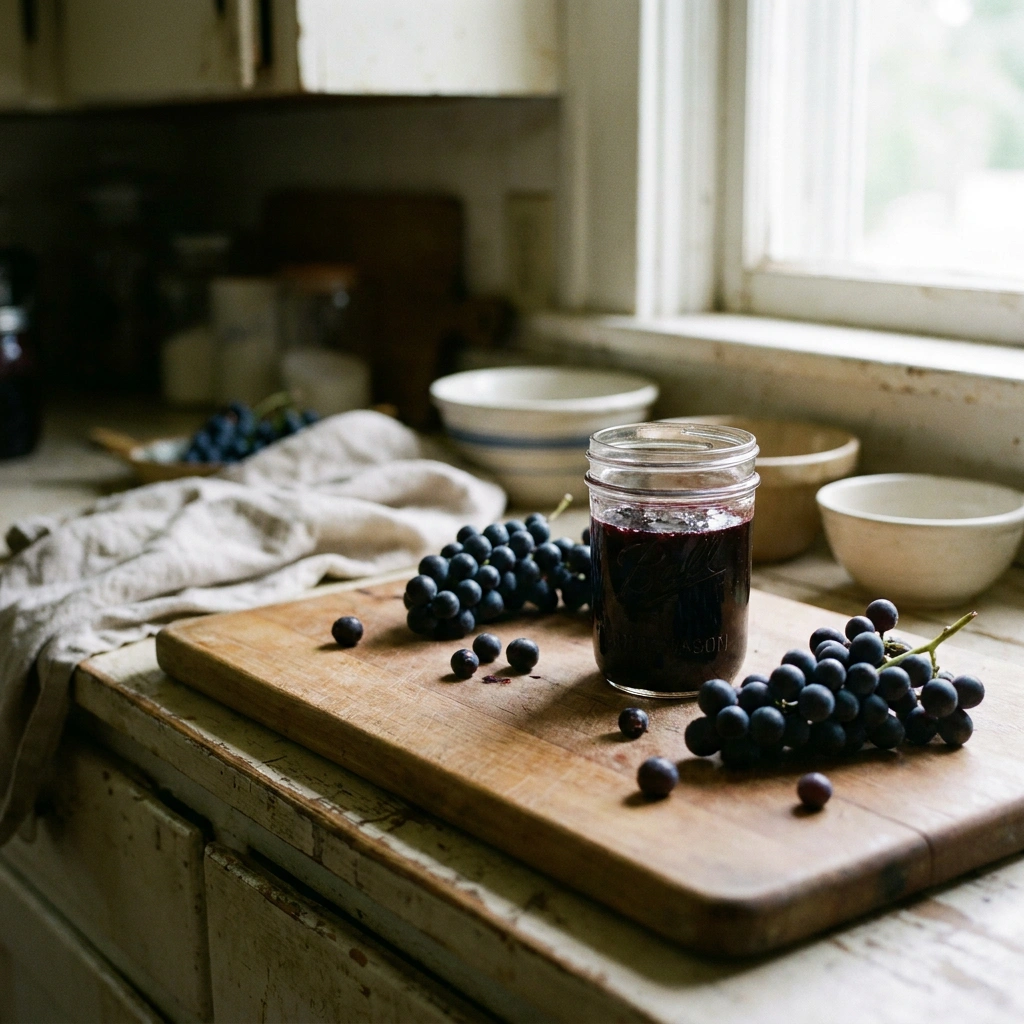
Concord makes excellent home wine. The thick skins give good color – a deep, inky purple – and fermentation is straightforward. A few things to know going in:
- Chaptalizing (adding sugar) is often necessary in northern climates where Brix stays below 18°. Target 20-22° Brix before fermentation for a balanced 11-12% alcohol wine.
- Acidify if needed: check total acidity (TA); Concord often comes in around 0.7-0.9% TA, which is workable, but cool-season fruit can run higher.
- Yeast selection matters: EC-1118 or Lalvin 71B both work well; 71B softens the foxy notes slightly through its natural metabolism.
- Back-sweeten to taste after fermentation is complete and the wine is stable – typically 1-3% residual sugar for a semi-sweet style.
For a full walk-through of the process, see my home winemaking instructions.
Beyond Wine: Juice, Jelly, and Fresh Eating
Many backyard Concord growers never make wine at all – they grow for the fresh clusters, for juice, and especially for grape jelly. Concord is the classic American grape jelly grape: high pectin, intense flavor, and enough natural acid to set a perfect jelly without added pectin in most cases. Processing your own clusters into fresh-pressed juice and canning it for winter use is one of the most satisfying harvests I know.
Frequently Asked Questions
How cold-hardy are Concord grapes?
Concord is one of the most cold-hardy common grape varieties, tolerating temperatures to about -20°F (-29°C) without serious cane damage. It grows reliably in USDA Zones 4 through 6 and can succeed in Zone 3 with good site selection. Cornell Cooperative Extension recommends Concord as the benchmark cold-hardy American grape variety.
How many years until a Concord vine produces fruit?
Expect a small cluster or two in year 2, a modest crop in year 3, and full production by years 4-5. The vine needs time to establish its root system and permanent framework. Letting the vine grow without heavy cropping in the first two years builds a stronger vine that produces reliably for decades.
Why does Concord wine taste so different from regular wine?
Concord is a labrusca-dominant hybrid (roughly two-thirds Vitis labrusca, one-third Vitis vinifera by genetics) rather than a purely European Vitis vinifera variety. Its labrusca ancestry means it contains high levels of methyl anthranilate – the compound responsible for the intense foxy, grape-candy aroma. It’s the same compound in artificial grape flavoring, which is why Concord wine tastes like grape juice compared to a Cabernet or Merlot. It’s not a defect; it’s the variety’s natural character.
Can you make dry wine from Concord grapes?
You can ferment Concord dry, but most winemakers prefer a semi-sweet style because the foxiness becomes harsh without residual sugar to balance it. If you want a drier result, try a brief cold-soak to extract color without as much labrusca character, and use a yeast strain like Lalvin 71B that softens fruit character during fermentation.
Is Concord a good grape for beginners?
Yes – Concord is one of the easiest cold-climate grapes for beginners. It is disease-resistant, vigorous, reliably productive, and very cold-hardy down to Zone 4 and even Zone 3. The main challenges are managing its vigor with annual pruning and waiting the 3-4 years for full production. But it rarely fails to crop and rarely dies from cold, which makes it very forgiving while you’re learning.
🍇 Don’t plant the wrong grape
Vines take years to fruit. Get the free cheat-sheet of varieties that actually survive and ripen in your zone.
By subscribing you agree to our Privacy Policy.