Short answer: If you’re in Zone 6 or warmer with cool summers – think coastal Oregon or Burgundy – Pinot Noir is genuinely worth attempting. If you’re in Zone 3, 4, or 5, the straight answer is that Pinot Noir is marginal to unviable in most backyard settings. Winter temperatures will kill the canes or the roots, and the thin skin invites disease trouble in humid continental climates. There are better options for cold-climate home winemakers, and this guide covers those too.
Many home growers wonder whether they can plant Pinot Noir in Wisconsin or Minnesota. Here’s what the research – and plenty of cautionary tales from growers who tried – actually says.
Why Pinot Noir Is Famously Difficult to Grow
Pinot Noir has a reputation as the “heartbreak grape” for good reason. Winemakers in Burgundy – where the variety was developed over centuries – say it demands more attention than any other red. Here are the main reasons it’s so challenging:
Thin Skin = Disease and Rot Magnet
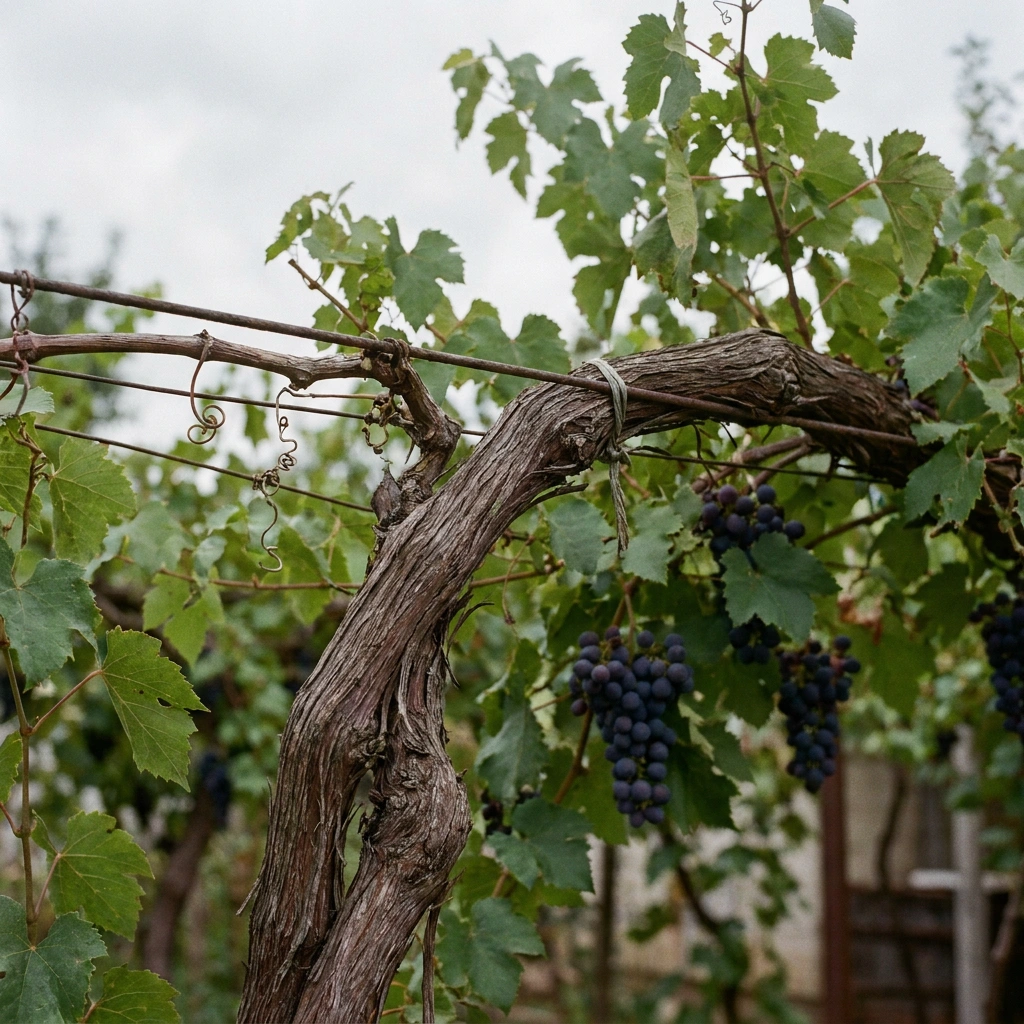
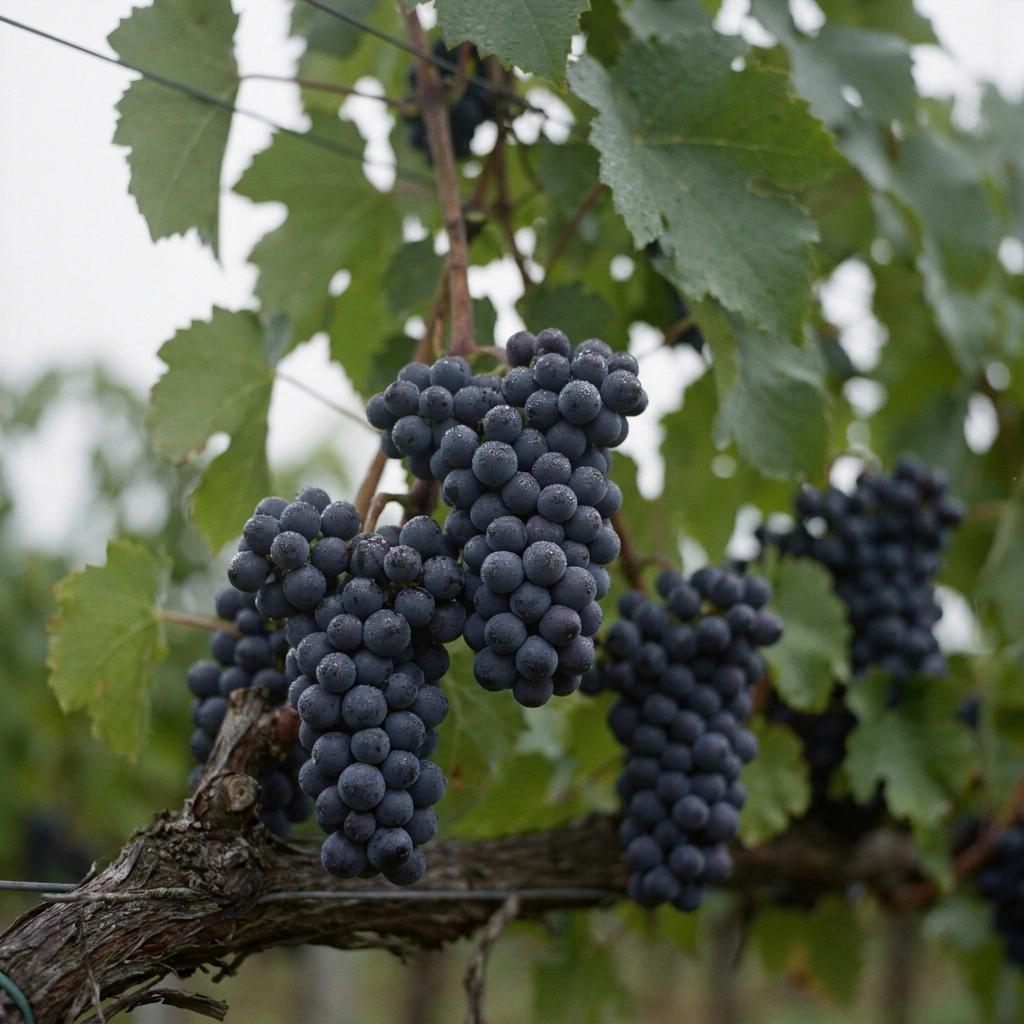
The most fundamental problem is the berry itself. Pinot Noir has very thin skin compared to varieties like Cabernet Sauvignon or Zinfandel. That thin skin means less protection against botrytis bunch rot, powdery mildew, and downy mildew. The tight, compact clusters – berries pressing against each other – trap moisture and make airflow difficult. One rainy week at the wrong moment during ripening can destroy a crop. Cornell Cooperative Extension notes that Pinot Noir is among the most disease-susceptible Vitis vinifera varieties, requiring a consistent fungicide spray program timed precisely to the growing season.
Early Bud Break = Spring Frost Risk
Pinot Noir breaks dormancy early – usually among the first of the major wine grapes to push new growth in spring. That’s a big problem even in “suitable” zones. A late frost at -2°C (28°F) after bud break can kill primary buds and wipe out the year’s crop. The variety has limited secondary bud production compared to hardier grapes, so if frost hits, recovery is poor. Even in Oregon’s Willamette Valley – one of Pinot Noir’s best homes in North America – spring frost events periodically devastate yields.
Climate: It Wants Cool, But Not Too Cold
Pinot Noir needs a long, cool growing season to develop its delicate flavor profile. It does not tolerate heat well – hot summers (above 30°C / 86°F for extended periods) cause the aromatics to flatten and the sugars to race ahead of flavor development. But it also cannot handle genuine cold winters. Dormant canes begin to show damage at around -18°C (0°F), and the graft union – where vinifera is grafted to rootstock – is vulnerable at slightly warmer temperatures than that. Research from Washington State University puts bud lethal temperatures (LT50) at approximately -22 to -25°C (-8 to -13°F) at peak winter dormancy, but sustained hard freezes well below -20°C (-4°F) can still kill vines, especially at the graft union.
This puts Pinot Noir squarely in USDA Zones 6b-8, ideally with a maritime or continental influence that moderates summer heat. The sweet spots: Burgundy (France), Willamette Valley (Oregon), parts of New Zealand’s Central Otago, and cool parts of Burgundy-latitude Germany.
The Cold-Climate Verdict: Zones 3-5
We want to be direct here, because too many gardening sites dance around this. Pinot Noir is not a viable backyard grape in USDA Zones 3, 4, or most of Zone 5.
The minimum winter temperature in Zone 4 hits -34°C to -29°C (-30°F to -20°F). That’s well below the survival threshold for Pinot Noir roots and canes. Even with elaborate winter protection – burying canes, heavy mulch on the root zone – you’re fighting the plant’s nature. Zone 5 is borderline: in protected microclimates with good air drainage and reliably moderate winters, some growers have gotten Pinot Noir to survive, but disease pressure in humid Zone 5 summers is punishing on thin-skinned vinifera.
University of Minnesota’s cold-hardy grape breeding program – the source of Marquette, Frontenac, and other varieties – was explicitly created because standard vinifera like Pinot Noir simply don’t survive northern winters without extraordinary measures. That program’s existence is the evidence.
What to Grow Instead (If You Want a Pinot-Like Red)
Here’s something interesting: Marquette actually has Pinot Noir in its parentage. It’s a crossing that traces back through Ravat 262 to Pinot Noir (Marquette = MN 1094 × Ravat 262, per US Plant Patent PP19579; Ravat 262 carries the Pinot Noir lineage), giving it some of that same red-fruit, spicy character. Marquette is reliably hardy to -34°C (-30°F), handles Zone 4 winters well, and makes wine that genuinely resembles a lighter red Burgundy – notes of cherry, pepper, and raspberry. It’s not identical to Pinot Noir, but it’s the closest you’ll realistically get in cold climates.
Frontenac is another strong choice – bolder, more tannic than Marquette, with deep color and dark fruit flavors. It’s also exceptionally cold-hardy and disease-resistant. If you want a “serious” red for home winemaking in cold climates, Frontenac and Marquette are the standard recommendations from every land-grant extension program in the Upper Midwest and Canada.
How to Grow Pinot Noir (If You’re in the Right Zone)
If you’re in Zone 6b or warmer, here’s a practical overview of what Pinot Noir actually needs.
Site Selection
Slope and air drainage matter enormously. Plant on a gentle south- or southeast-facing slope where cold air drains away downhill on frost nights. Avoid frost pockets at the bottom of valleys. The goal is a long, cool growing season – not a warm one. Pinot Noir develops best where summer highs stay in the 20-25°C (68-77°F) range and the vine gets around 1,400-1,700 growing degree days (base 10°C / 50°F).
Soil
Well-drained soil is non-negotiable – Pinot Noir roots sitting in wet soil are dead roots. In Burgundy, the classic substrate is limestone-clay. In the Pacific Northwest, volcanic soils work well. The key is drainage and low fertility: high-nitrogen soil pushes excessive vine vigor and soft growth that’s more disease-prone. Shoot for a soil pH of 6.0-6.5.
Trellis and Canopy Management
Because Pinot Noir clusters are tight and the canopy needs airflow to prevent botrytis, canopy management is more intensive than with other varieties. The Vertical Shoot Positioning (VSP) system – shoots trained upward between catch wires – is standard. You’ll need to prune aggressively to a spur system (2-3 buds per spur) and shoot-thin in early summer to open up the canopy. Leaf removal around the fruit zone after fruit set significantly reduces bunch rot pressure.
Disease Management
This is where most home growers underestimate Pinot Noir. A consistent spray program is not optional – it’s the price of admission. Cornell Cooperative Extension recommends a calendar-based spray schedule starting at bud break, with copper-based fungicides and/or sulfur for powdery mildew, and Botryticide materials (Elevate, Switch) closer to harvest. If you’re not comfortable with a 10-14 day spray rotation from April through September, this variety is not for you. Read our full pest and disease control guide for a complete spray calendar.
Harvest Timing
Pinot Noir is typically harvested at 22-24 Brix in cool climates. The challenge is that the tight clusters make it hard to check individual berries – you need to sample from multiple points in the cluster. Aim for seeds that have turned brown and a berry flavor that’s moved from harsh tannin to ripe red fruit. In cool-climate sites, harvest often falls in late September to mid-October.
Pinot Noir vs. Cold-Hardy Alternatives: Quick Comparison
| Variety | Min. Hardiness | Disease Resistance | Wine Style | Best Zones |
|---|---|---|---|---|
| Pinot Noir | -18°C / 0°F | Low | Light red, cherry, spice | 6b-8 |
| Marquette | -34°C / -30°F | High | Medium red, cherry, pepper | 3-7 |
| Frontenac | -34°C / -30°F | High | Bold red, dark fruit, tannic | 3-7 |
For more on choosing the right variety for your site, see our disease-resistance guide – variety choice is the biggest lever you have on disease pressure.
Frequently Asked Questions
Can you grow Pinot Noir in Zone 5?
It’s marginal. Zone 5 minimum temperatures reach -29°C (-20°F), which is at or below Pinot Noir’s tolerance. In protected microclimates – south-facing slopes, near large bodies of water that moderate temperatures – some Zone 5 growers have kept Pinot Noir alive, but disease pressure in humid Zone 5 summers is severe. Most cold-climate viticulture resources recommend cold-hardy hybrid varieties instead.
What makes Pinot Noir so hard to grow compared to other grapes?
Three things combine: thin skin (low disease resistance), tight compact clusters (trap moisture, promote botrytis), and early bud break (spring frost risk). Any one of these is manageable; all three together require intensive management throughout the season. Other vinifera varieties like Cabernet Franc or Riesling are noticeably more forgiving.
Does Marquette taste like Pinot Noir?
Marquette wine is lighter-bodied with cherry, raspberry, and pepper notes – closer in style to a Pinot Noir or Beaujolais than to big reds like Cabernet or Malbec. It’s not identical to Pinot Noir, but the lineage shows. University of Minnesota extension tasting notes describe Marquette as having “cherry, raspberry, mocha, and spice” characteristics. For cold-climate growers who want a Pinot-style red, it’s the most logical alternative.
How do I prevent botrytis on Pinot Noir?
The main levers are canopy management (open, airy fruiting zone via VSP trellis and shoot positioning), leaf removal around clusters after fruit set, and a timed fungicide program. Botryticide materials like Elevate (fenhexamid) or Switch (cyprodinil + fludioxonil) applied at bloom and pre-veraison are standard in commercial production. Home growers should also consider cluster thinning to reduce bunch density – fewer, looser clusters have better airflow.
What USDA zones can grow Pinot Noir successfully?
Zone 6b through Zone 8 with cool to moderate summers. The ideal is a maritime or elevation-influenced climate that keeps summer highs moderate (below 30°C / 86°F) and provides a long ripening season without brutal cold winters. Inland continental climates – even at Zone 6 – are harder because of hot summers and the risk of sudden cold snaps.
🍇 Don’t plant the wrong grape
Vines take years to fruit. Get the free cheat-sheet of varieties that actually survive and ripen in your zone.
By subscribing you agree to our Privacy Policy.