
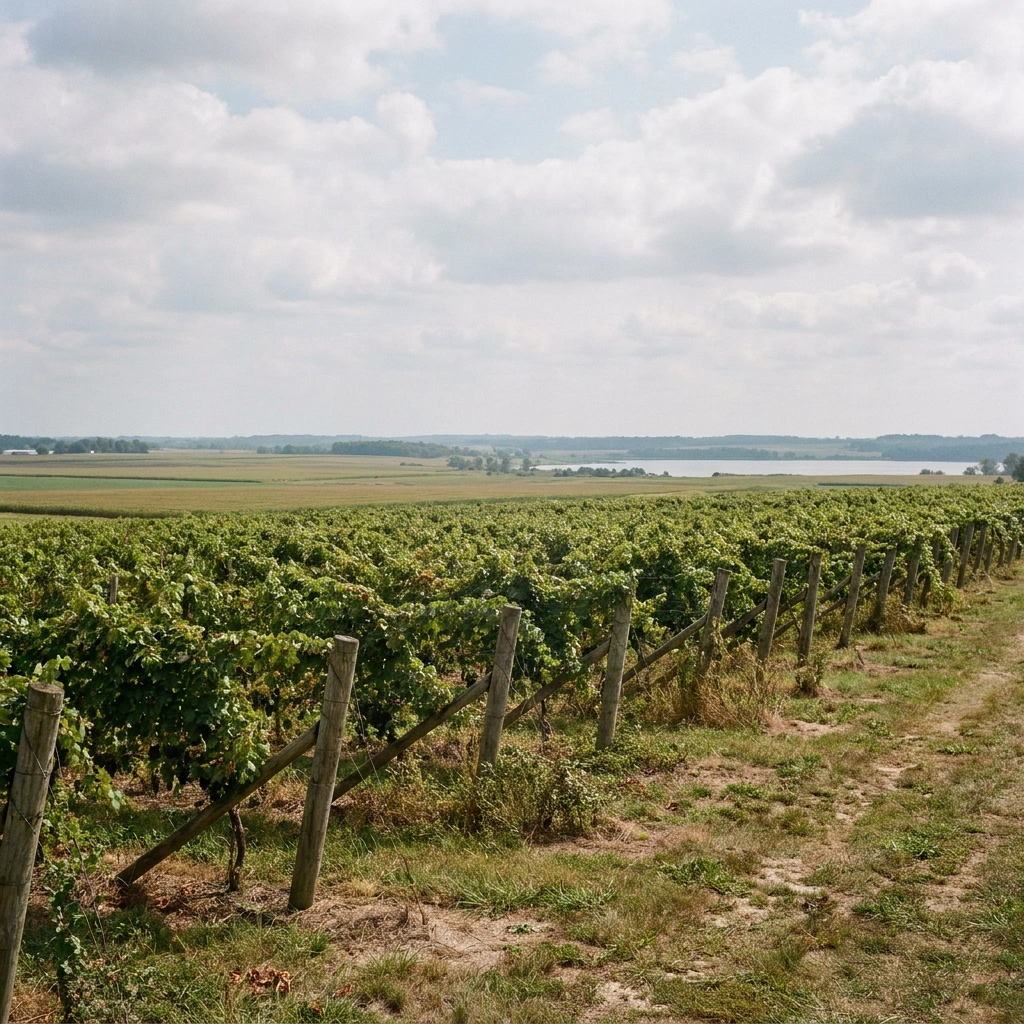
Yes – Ohio is genuinely good grape-growing country. The state spans USDA Zones 5b-6b, with the northeast corner moderated by Lake Erie producing one of the oldest commercial grape-growing regions in the country. Cold-hardy hybrid varieties like Marquette, Frontenac, and Vidal Blanc perform reliably across most of Ohio, while the lake-effect belt even supports some vinifera like Riesling and Cabernet Franc. If you pick the right variety for your zone and prepare your site for Ohio’s late spring frosts, you can grow wine grapes at home here without a lot of drama.
The university extension work out of OSU is some of the best in the Midwest, and what follows draws on that research.
Ohio’s Climate for Grapes: Zones, Frosts, and the Lake Erie Advantage
Most of Ohio falls in Zones 5b-6a (average winter lows of -15°C to -9°C / 5°F to 15°F), with the southwestern corner of the state nudging into Zone 6b. That’s cold enough to kill unprotected vinifera in a bad winter but well within the tolerance range of the best cold-hardy hybrids.
The northeast corner – roughly Erie, Ashtabula, and Lake counties – is a different story. Lake Erie acts as a massive thermal buffer: it delays the first fall freeze and moderates late-spring frosts, giving those counties a longer effective growing season than their latitude would suggest. This is why the Lake Erie Wine Country AVA (American Viticultural Area) runs along Ohio’s northern shore and extends into Pennsylvania and New York. Growers there routinely ripen Riesling, Pinot Gris, and even Cab Franc – varieties that would struggle or die further inland.
Elsewhere in Ohio, the realistic target is cold-hardy hybrids and native American varieties. That’s not a consolation prize – Marquette makes genuinely good red wine, and Vidal Blanc is one of the most versatile white hybrids anywhere. The OSU Extension publication Midwest Grape Production Guide (available free from their website) is the definitive reference for Ohio growers and worth bookmarking.
One Ohio-specific caution: late spring frosts. Parts of central and eastern Ohio can see damaging frosts into early May. Site your vineyard on a slope if at all possible – cold air drains downhill, and that 3-5°C (5-9°F) temperature difference between a hilltop site and a valley floor can mean the difference between a full crop and a frost-killed one.
Best Grape Varieties for Ohio
Here’s how Ohio’s options break down by zone and ambition level:
Cold-Hardy Hybrids (Zones 5b-6b, statewide)
- Marquette – Bred by the University of Minnesota, rated to Zone 4. Rich dark-fruit red, decent tannin structure. Best red-wine grape for Ohio growers not near the lake. Hardy to about -34°C (-30°F) with cane burial insurance.
- Frontenac – Another UMN variety, very productive, high-acid cherry character. Great for port-style or blended with softer reds. Hardy to -34°C (-30°F).
- Frontenac Gris – The pink-skinned mutation of Frontenac. Makes a rich, peachy rosé or white. Same hardiness as the parent.
- La Crescent – UMN white variety, aromatic (apricot, citrus), Zone 4 hardy. OSU trials have shown strong performance in Ohio.
- Vidal Blanc – A French-American hybrid widely grown in Ohio’s commercial sector. Makes crisp table wine or ice wine. Hardy to about -26°C (-15°F); needs some winter protection in Zone 5b.
- Chambourcin – Popular in Ohio’s commercial vineyards, especially south of Columbus where winters are milder (Zone 6a). Deep color, mild tannin. Less hardy than the UMN varieties; not ideal north of I-70 without site protection.
Native American Varieties (Statewide, bulletproof)
- Concord – The most cold-tolerant option and still the backbone of Ohio’s juice and jelly industry. Distinct “foxy” aroma (methyl anthranilate) makes dry wine challenging, but it’s unfazed by Ohio winters and produces reliably.
- Catawba – Has deep Ohio roots going back to the 1840s German immigrant settlements on the shores of Lake Erie. Pink-skinned, makes pleasant semi-dry white and rosé. Hardy and disease-tolerant.
- Niagara – The white counterpart to Concord; same bulletproof hardiness, similar labrusca character, pleasant as a sweet white.
Vinifera (Lake Erie Belt Only)
- Riesling – The workhorse of Ohio’s lake-influenced commercial wineries. Ripens beautifully in the moderating influence of Lake Erie. Not recommended more than 20-30 miles (32-48 km) from the lake.
- Cabernet Franc – Earlier-ripening than Cab Sauvignon, better suited to Ohio’s shorter seasons. Works in the lake belt but is marginal; site carefully on south-facing slopes.
- Pinot Gris / Chardonnay – Possible in the lake belt but pushing it outside of the warmest sites. Get local grower advice before committing.
Our recommendation for most Ohio home growers: Start with 2-3 vines of Marquette or Vidal Blanc and a native Catawba or Concord as a baseline crop. You’ll learn your site’s quirks – drainage, frost pockets, disease pressure – without betting everything on vines that need a lot of coddling.
Our pick for Ohio home growers: Cold-hardy hybrid grapevines – Marquette, Frontenac, Vidal Blanc – are increasingly available from specialty nurseries. Search Amazon for cold-hardy hybrid grape vines to compare available varieties and sizes. Always confirm the variety is rated for your Ohio zone before ordering.
Choosing and Preparing Your Ohio Vineyard Site
Site selection matters as much as variety choice, especially in Ohio where cold air drainage and late frosts are real threats. The basics from the vineyard site selection guide apply here, with a few Ohio-specific additions:
- Slope and air drainage: A gentle slope (5-15%) facing south or southeast maximizes solar exposure and lets cold air drain away from the vines. Avoid valley floors and low spots where frost pockets form.
- Soil drainage: Ohio’s clay-heavy soils in the central and western parts of the state can waterlog vine roots. Well-drained loams or loamy sands are ideal. If your soil is heavy clay, consider raised rows or planting on a slope that sheds water naturally.
- Wind protection: Ohio’s northwest winter winds can desiccate canes. A windbreak of deciduous trees or shrubs 50-100 ft (15-30 m) upwind is worthwhile, but don’t let it shade the vines.
- Full sun: Minimum 6-8 hours of direct sun daily during the growing season. Shade slows ripening and promotes disease.
Ohio soils across most of the state have adequate native fertility for grapes – you’re more likely to need to restrain vigor than to heavily fertilize, especially on younger vines. Get a soil test through OSU Extension before planting. Target pH 6.0-6.5 for most grape varieties.
Vine Spacing and Trellis Setup
For home vineyards in Ohio, standard spacing for cold-hardy hybrids is 6-8 ft (1.8-2.4 m) between vines in the row, with rows 8-10 ft (2.4-3 m) apart. This gives enough room for air circulation – important in Ohio’s humid summers, which favor black rot, downy mildew, and powdery mildew. Tighter spacing increases disease pressure.
A simple High Cordon or VSP (Vertical Shoot Positioning) trellis works well for hybrids in Ohio. The full spacing and trellis guide walks through the options in more detail. For home growers starting with 4-10 vines, a two-wire VSP trellis is hard to beat for simplicity and disease management.
Ohio-Specific Disease Pressure
Ohio’s warm, humid summers (particularly July and August) mean black rot is your biggest disease enemy. Cold-hardy hybrids generally have better disease resistance than vinifera, but they’re not immune. Keep this in mind:
- Black rot: The main culprit. Remove all mummified fruit from the previous season before growth starts – it overwinters the fungus. Spray with a copper-based or captan fungicide at bud break and again at 10-14 day intervals through bloom.
- Powdery mildew: Worse in the drier western parts of the state. Sulfur-based sprays are effective and compatible with organic practices.
- Japanese beetles: Ohio has heavy beetle pressure from mid-June through August. Kaolin clay or netting is the least-toxic approach. Traps attract more beetles than they catch – avoid them near your vines.
The cold-hardy UMN varieties (Marquette, Frontenac, La Crescent) were specifically bred for reduced spray needs in Midwest conditions – you may get away with 2-3 well-timed sprays rather than the 8-12 a Chardonnay might need. That’s a big quality-of-life difference for a home grower.
Harvest Timing in Ohio
In Ohio, most cold-hardy hybrids ripen from mid-September through mid-October depending on variety and location. Marquette typically hits its target Brix (22-24°) in late September in central Ohio; Frontenac and Vidal Blanc run a little later. The Lake Erie belt sees somewhat later harvests (warmer nights slow Brix accumulation but extend hang time for complexity).
Don’t go purely by calendar or color. The harvest readiness guide covers Brix measurement with a refractometer, seed color (brown = ripe), and the taste test that still beats any instrument. Resist the urge to pick too early – an extra week of hang time in September does more for flavor complexity than almost anything else you can do.
Where to Get Vines in Ohio
OSU Extension’s Ohio Grape Industries program (ohiograpeindustries.org) maintains a list of Ohio-licensed nurseries and participates in vine certification programs that reduce the risk of buying virus-infected planting material – a real problem with cheap mail-order vines.
For cold-hardy UMN varieties (Marquette, Frontenac, La Crescent, Itasca), the best sources are specialty Midwest nurseries: Vineyard 29, Double A Vineyards (NY), or the UMN’s licensed commercial growers. Order in fall for spring delivery – the good varieties sell out by February.
If you want to start with a Baco Noir for a deeper, more tannic red – an often-overlooked variety that handles Ohio’s humidity well – the Baco Noir profile is worth reading before you order.
Ohio Grape Growing: Frequently Asked Questions
Can you grow Cabernet Sauvignon in Ohio?
In most of Ohio, no – not reliably. Cab Sauvignon ripens too late for Ohio’s shorter growing season and is damaged by Zone 5b winters. In the warmest Lake Erie belt sites (Zone 6a-6b with good lake moderation), some growers attempt it, but Cabernet Franc is a much more sensible choice there: it ripens 2-3 weeks earlier and handles the cold better.
Do Ohio grapes need to be covered for winter?
It depends on the variety and your zone. The UMN cold-hardy hybrids (Marquette, Frontenac, La Crescent) are rated to Zone 4 and generally don’t need hilling or cane burial in Ohio’s Zone 5b-6b. Vinifera varieties (Riesling, Cab Franc) typically do need cane protection in Ohio winters – bury canes under 4-6 inches (10-15 cm) of soil or mulch in November and uncover in late March.
What is the Lake Erie Grape Belt?
The Lake Erie Grape Belt is a narrow strip of land along the southern shore of Lake Erie, running through Ohio’s Ashtabula, Lake, and Erie counties (and continuing into Pennsylvania and New York). Lake Erie moderates the climate – delaying fall freezes and buffering late-spring frosts – creating a longer, milder growing season than the surrounding inland areas. It’s been Ohio’s commercial grape heartland since the 1840s and is now part of the Lake Erie AVA.
How many years before Ohio grapevines produce wine grapes?
Expect 3 years before your first real harvest. Year 1: establish the root system (remove all fruit clusters that form). Year 2: begin training to your trellis, allow a small crop if the vine is vigorous. Year 3: your first meaningful harvest, typically 3-6 lb (1.4-2.7 kg) per vine for cold-hardy hybrids. Full production – 10-15 lb (4.5-6.8 kg) per vine – comes in years 4-5.
Is a home winemaking license required in Ohio?
No license is required for personal/household use. Ohio law (O.R.C. §4301.201) allows up to 100 gallons (380 L) per year for a household with one adult 21 or older, and up to 200 gallons (757 L) per year for a household with two or more adults 21 or older – the cap is 200 gallons regardless of household size. Wine is for personal use only, not for sale. Selling wine without a license is illegal. Once your vines produce enough fruit to make wine, the basic winemaking process is straightforward for most cold-hardy hybrid varieties.
🍇 Don’t plant the wrong grape
Vines take years to fruit. Get the free cheat-sheet of varieties that actually survive and ripen in your zone.
By subscribing you agree to our Privacy Policy.

Great article. What season is the best time to plant grapevines?
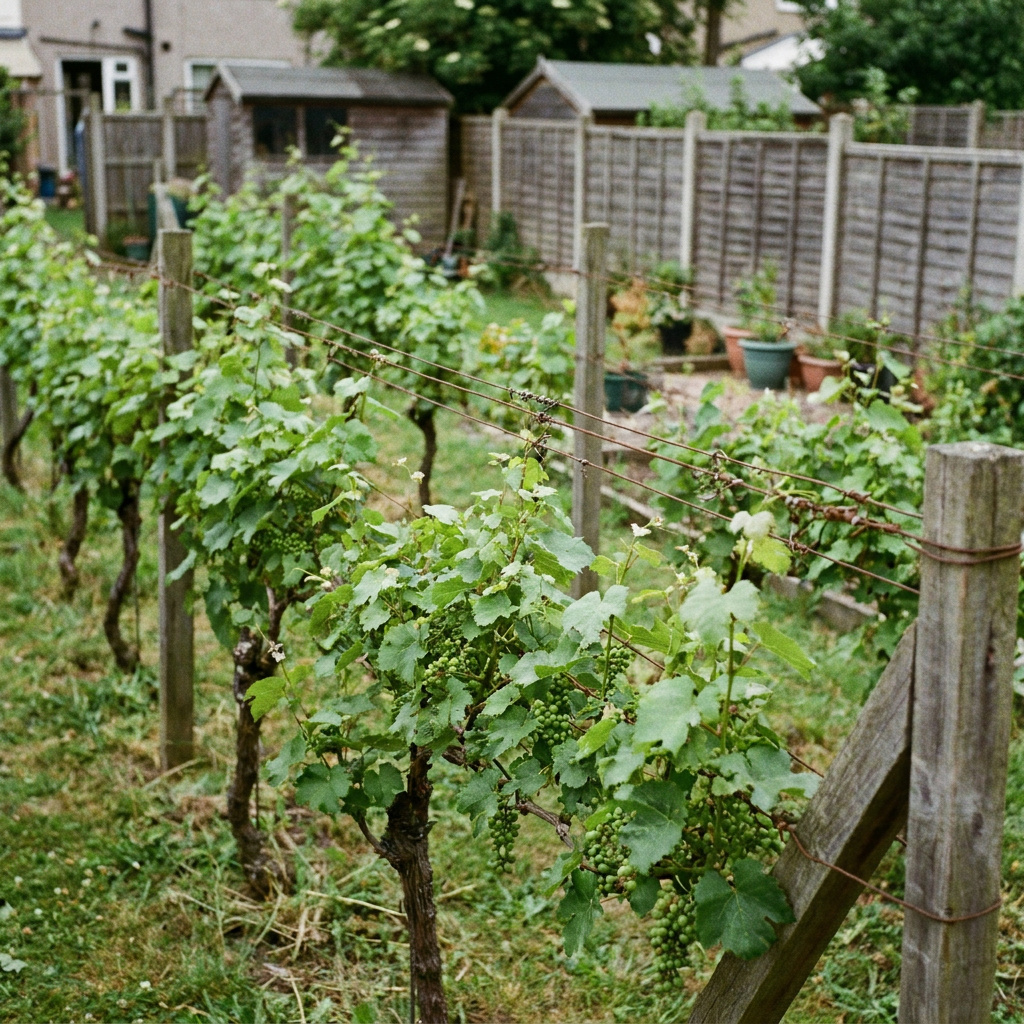
Thank you! When it comes to planting grapevines, the best time typically depends on the specific region and climate. In Ohio, it is generally recommended to plant grapevines in the spring, after the last frost date has passed. This allows the vines to establish their root systems before the hot summer months. However, it’s always a good idea to consult with local agricultural extension services, vineyard experts, or nurseries in your area for more specific recommendations tailored to Ohio’s climate and growing conditions.