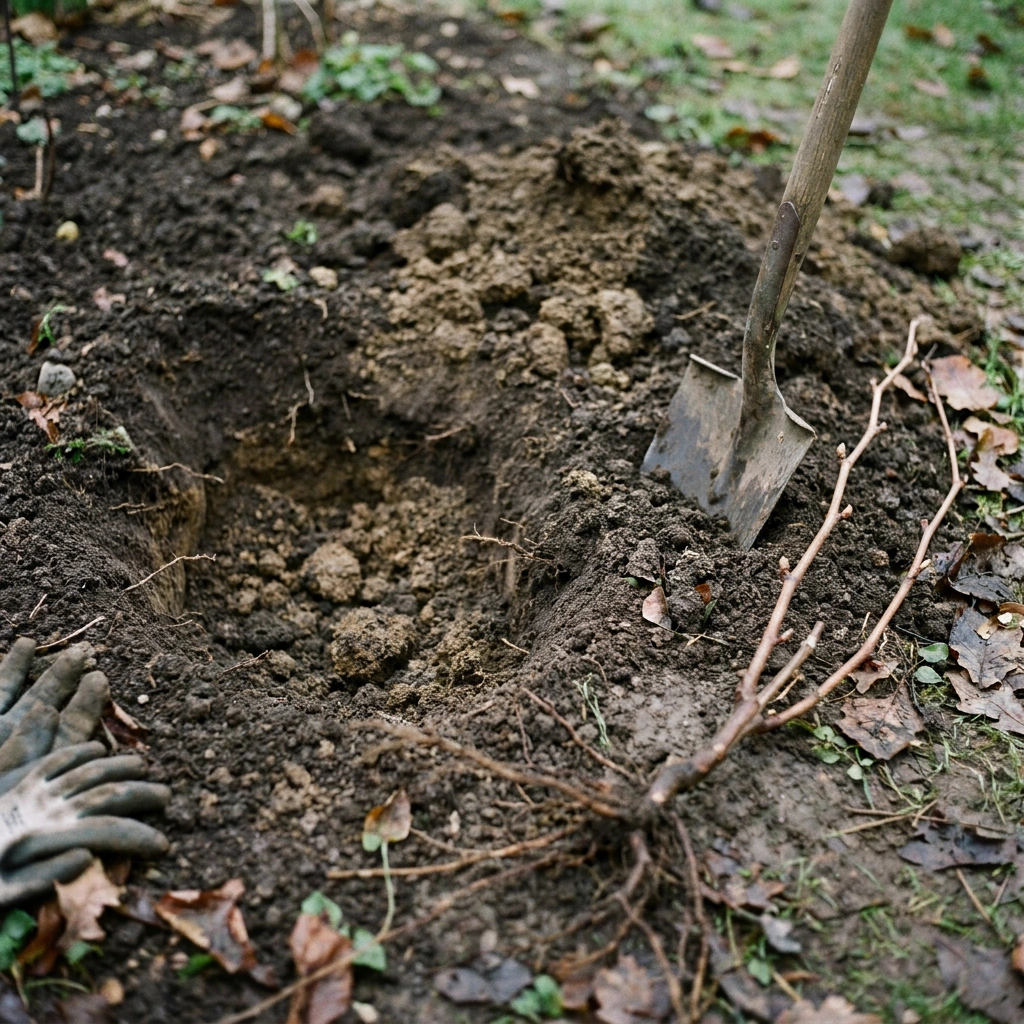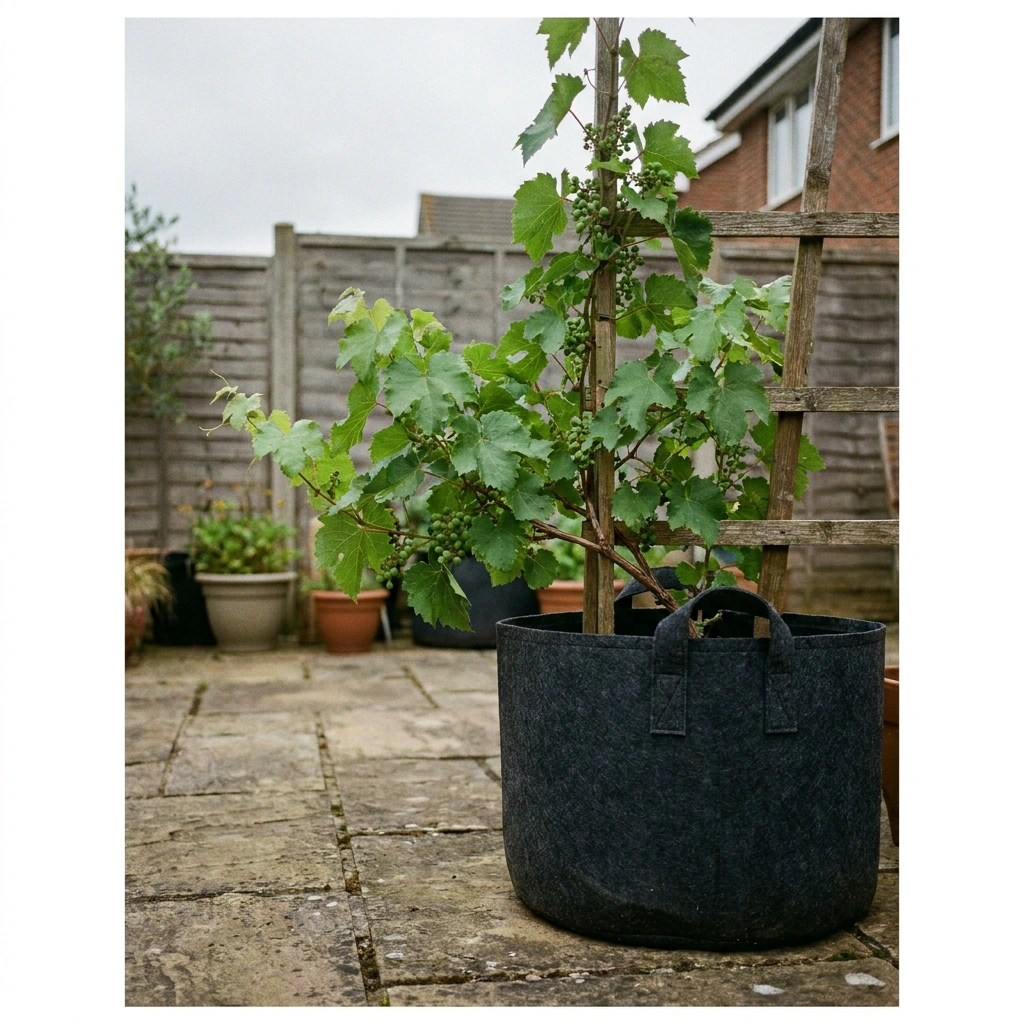
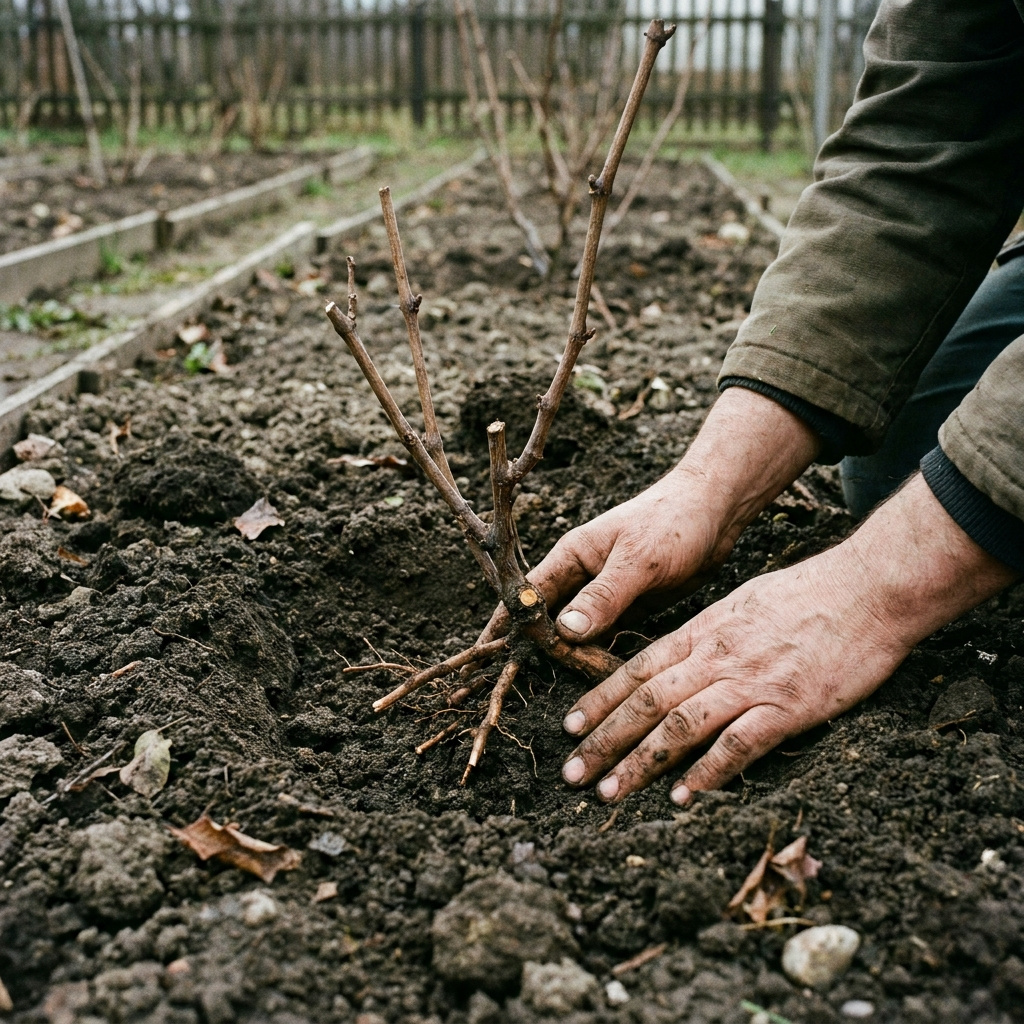
Plant bare-root grape vines in early spring once the ground thaws but before they break dormancy – typically late March through April in Zones 4-6 (hardiness temps below −20°F / −29°C in winter). In cold climates, spring planting beats fall planting almost every time: the vine has a full growing season to establish roots before its first real winter. Dig a hole about 12 inches (30 cm) deep and 12 inches wide, set the graft union 2-3 inches (5-7 cm) above the soil surface, backfill, water deeply, and mulch. That’s the core of it – the details below will help you avoid the most common first-season mistakes.
When to Plant Grape Vines in Cold Climates
Timing is the single biggest variable new growers get wrong. Even in Zone 4, bare-root vines can go in before the last frost – around mid-April, when the soil is workable and daytime temps are reliably above 40°F (4°C). The vines are still dormant at that point (no leafy growth), so there’s nothing to freeze.
University of Minnesota Extension recommends spring planting for the Upper Midwest, and Cornell’s viticulture program gives the same guidance for the Northeast. The logic holds for most of Canada and the Northern Plains too: your vine needs soil to warm up and roots to anchor before November arrives. If you try to plant in fall, the roots barely establish before the ground freezes and you risk heaving or winter-kill on a vine that never had a chance.
In zones 4-6 (most of the cold-climate grape-growing belt): plant late March to late April.
In zones 7-8: fall planting works fine and avoids summer drought stress on new transplants.
Choosing the Right Nursery Vine: Grafted vs. Own-Root
For cold-climate growers, this question largely answers itself: if you’re planting a cold-hardy hybrid variety like Marquette, Frontenac, La Crescent, Petite Pearl, Itasca, or Noiret, buy own-root vines. These varieties were bred to thrive on their own roots in Zones 3-6. Phylloxera – the soil aphid that destroys vinifera roots – is generally less devastating on hybrid varieties, and own-root cold-hardy vines are more winter-hardy because the cane above ground matches the rootstock’s hardiness zone. A grafted Marquette on a vinifera rootstock can leave you with a Zone 6 top and a Zone 8 bottom.
If you’re growing Vitis vinifera varieties (Chardonnay, Pinot Noir, Riesling) in a marginally cold climate, grafted rootstock is appropriate for phylloxera resistance – but be honest about your zone. A Riesling will not survive a Zone 4 winter regardless of rootstock.
What to look for in a healthy bare-root vine:
- At least 3-4 healthy fibrous roots, not shriveled or dry
- A firm cane with at least 2-3 nodes visible (no mold, no cracking bark)
- Dormant – no leaves pushing yet (a small green bud tip is fine)
- Correct variety label matching your hardiness zone
Soak bare-root vines in a bucket of water for 2-4 hours before planting to rehydrate the roots. This one step makes a measurable difference in first-year establishment.
If you’re sourcing online, look for nurseries that specialize in cold-hardy varieties – they’ll carry the UMN releases and other northern-bred cultivars you won’t find at a big-box store.
Digging the Planting Hole and Getting Depth Right
Dig a hole roughly 12 inches (30 cm) deep and at least 12 inches (30 cm) wide – wide enough to spread the roots fully without bending them. That sounds modest, but it’s enough for most bare-root vines. Before you set the vine, loosen the soil at the bottom of the hole with a fork – compacted subsoil is the quiet killer of first-year vines, trapping water and restricting downward root growth.
Graft union depth is critical on grafted vines. The graft union – that knobby bump near the base of the cane – must sit above the soil surface by at least 2-3 inches (5-7 cm). If you bury it, the scion wood can root into the native soil, which defeats the whole purpose of the rootstock. On own-root cold-hardy hybrids, depth is more forgiving: plant so the lowest node is roughly at or just below the soil surface. Cold-climate note (Zones 3-6): the minimum 2-inch clearance is not enough winter insurance on its own. In hard-winter zones, protect the graft union each fall by mounding straw or soil over it, then remove the mound in spring – Double A Vineyards and other cold-climate nurseries recommend this annual step for all grafted vines where temperatures regularly drop below 0°F (−18°C).
Spread the roots down and outward in the hole – don’t curl them. If a root is longer than the hole is wide, trim it back rather than bending it in a J-shape (J-rooting reduces vigor and causes long-term structural problems, per Cornell viticulture research).
Backfilling, Watering In, and First-Year Care
Backfill with the native soil you dug out – no amendments at planting time unless your soil test shows a serious deficiency. This is counterintuitive, but dumping rich compost in the hole creates a “potted plant” effect where roots stay in the amended zone instead of pushing outward. Cornell Extension makes this point clearly: establishment roots need to adapt to your actual soil, not a pocket of imported paradise.
Firm the soil as you backfill to eliminate air pockets around the roots. Then water slowly and deeply – pour about 2-3 gallons (8-11 liters) directly into the backfilled hole. The goal is to saturate the root zone so the soil settles around every root fiber.
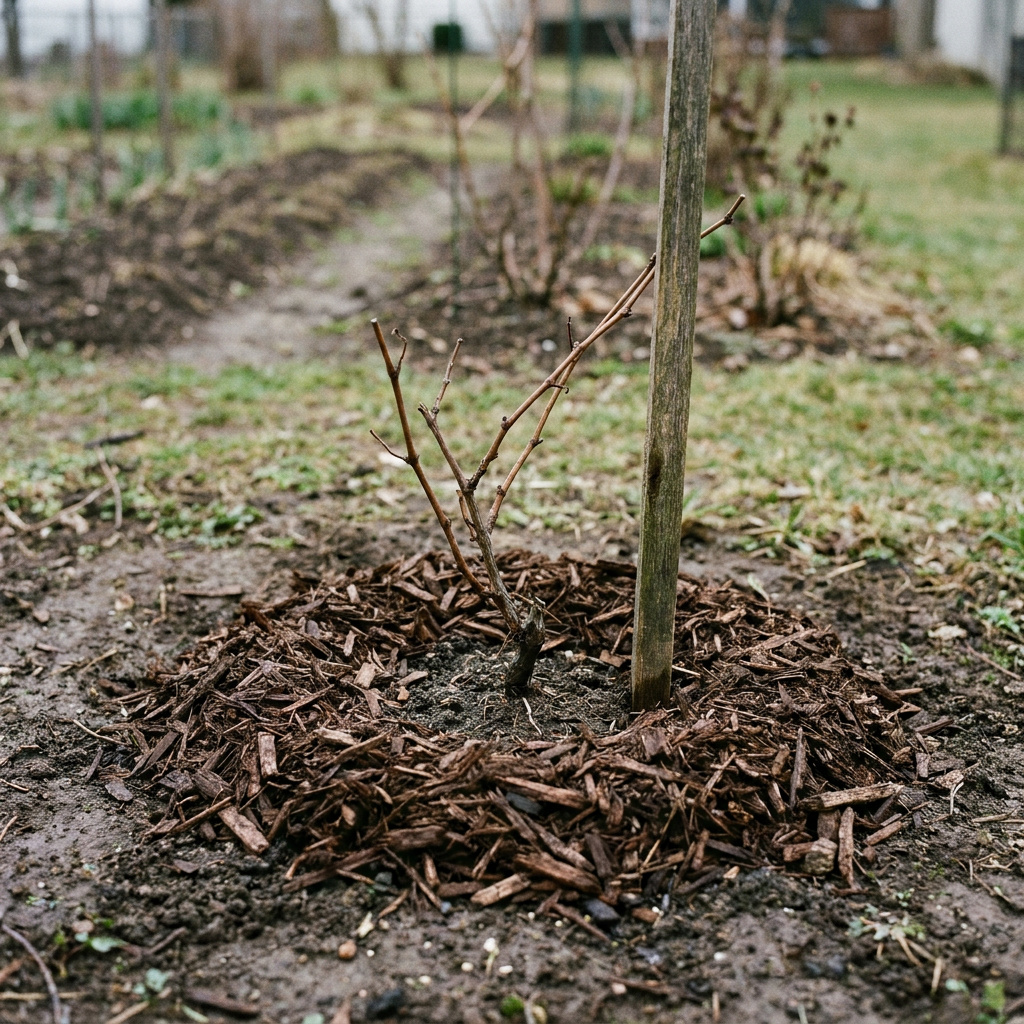
Mulching: Apply a 3-4 inch (8-10 cm) ring of wood chips or straw around the base, extending about 12 inches (30 cm) out from the cane. Keep mulch at least 4-6 inches (10-15 cm) away from the vine’s base – mulch that touches or nearly touches the trunk traps moisture against the crown and invites Phytophthora crown rot, especially after frost-heave shifts the mulch layer inward over winter. Mulch does two things in cold climates: it moderates soil temperature swings in spring and fall, and it reduces competition from weeds during the vine’s critical first season.
First-year priorities:
- Water every 7-10 days if there’s no rain, especially through June and July
- Install a temporary stake or tie the vine loosely to your trellis wire (see our notes on grape trellis systems)
- Let the vine grow freely – don’t prune back growth in the first year; you’re building root mass
- Don’t fertilize with nitrogen heavily in year one – it pushes excessive shoot growth at the expense of roots
- Remove any fruit clusters that form in year one (yes, it’s painful) – the vine’s energy goes to roots, not fruit
For detailed soil preparation guidance before you even dig the hole, see: how to prepare your soil and plant a grape vine. And once your vine is in the ground, spacing for the next vine matters: grape vine spacing guidelines covers row width, in-row spacing, and how cold-climate vine vigor affects those numbers.
Common Planting Mistakes (and How to Avoid Them)
- Planting too deep. Buried graft unions. Buried canes that encourage shallow rooting. Depth matters – measure it.
- Planting in wet, waterlogged soil. Grapes absolutely hate standing water. If your site pools after rain, fix drainage or choose a raised row before you plant anything.
- Skipping the soak. Bare-root vines dried out in transit. Two hours in a water bucket costs you nothing and pays back in first-leaf speed.
- Using wrong-zone varieties. A Zone 7 variety in Zone 4 will die its first winter. No planting technique compensates for variety mismatch. Stick to UMN-released or USDA-tested cold-hardy varieties for zones 3-6.
- Over-watering. Deep, infrequent watering encourages roots to go down. Daily shallow watering keeps roots at the surface – a liability the first cold winter.
- Crowding the spacing. Cold-climate hybrids are often vigorous. Minimum 6 feet (1.8 m) between vines in-row, 8-10 feet (2.4-3 m) preferred for high-vigor cultivars like Frontenac.
Frequently Asked Questions
When is the best time to plant grape vines in cold climates?
In USDA Zones 3-6, plant bare-root vines in early spring – late March through April – once the soil is workable but before the vines break dormancy. This gives the vine a full growing season to establish roots before winter. Avoid fall planting in cold climates; newly planted vines rarely develop enough root mass to survive a hard freeze.
Should the graft union be above or below the soil?
Always above the soil – at least 2-3 inches (5-7 cm) above grade. Burying the graft union allows the scion to root on its own, undermining the rootstock’s pest resistance or cold-hardiness characteristics. In cold climates (Zones 3-6), keep the union exposed above grade and protect it with a mound of straw or soil each winter, removing it in spring – the clearance height alone does not protect against extreme cold. On own-root cold-hardy varieties (Marquette, Frontenac, etc.), the graft union question doesn’t apply, but still avoid planting so deep that the lowest node is more than 1 inch (2.5 cm) below the surface.
Should I amend the soil in the planting hole?
No – backfill with your native soil. Rich amendments create a “potted plant” zone where roots circle rather than expand. Do your soil prep – pH correction, organic matter – in the months before planting across the whole planting area, not concentrated in the hole. A soil pH of 6.0-6.5 is the target for grapevines.
How deep should the grapevine planting hole be?
About 12 inches (30 cm) deep and 12 inches wide is standard for a bare-root vine. The goal is enough depth to spread the roots naturally downward without cramping them. Loosen the bottom of the hole with a fork to ensure roots can penetrate the subsoil.
How much should I water a newly planted grapevine?
Water deeply at planting (2-3 gallons / 8-11 liters), then once per week during dry spells in the first season. The goal is deep, infrequent watering that drives roots downward. Reduce watering in late summer (August onward) to allow the canes to harden off before winter – excess late-season moisture encourages soft growth that won’t survive cold temperatures.
🍇 Don’t plant the wrong grape
Vines take years to fruit. Get the free cheat-sheet of varieties that actually survive and ripen in your zone.
By subscribing you agree to our Privacy Policy.