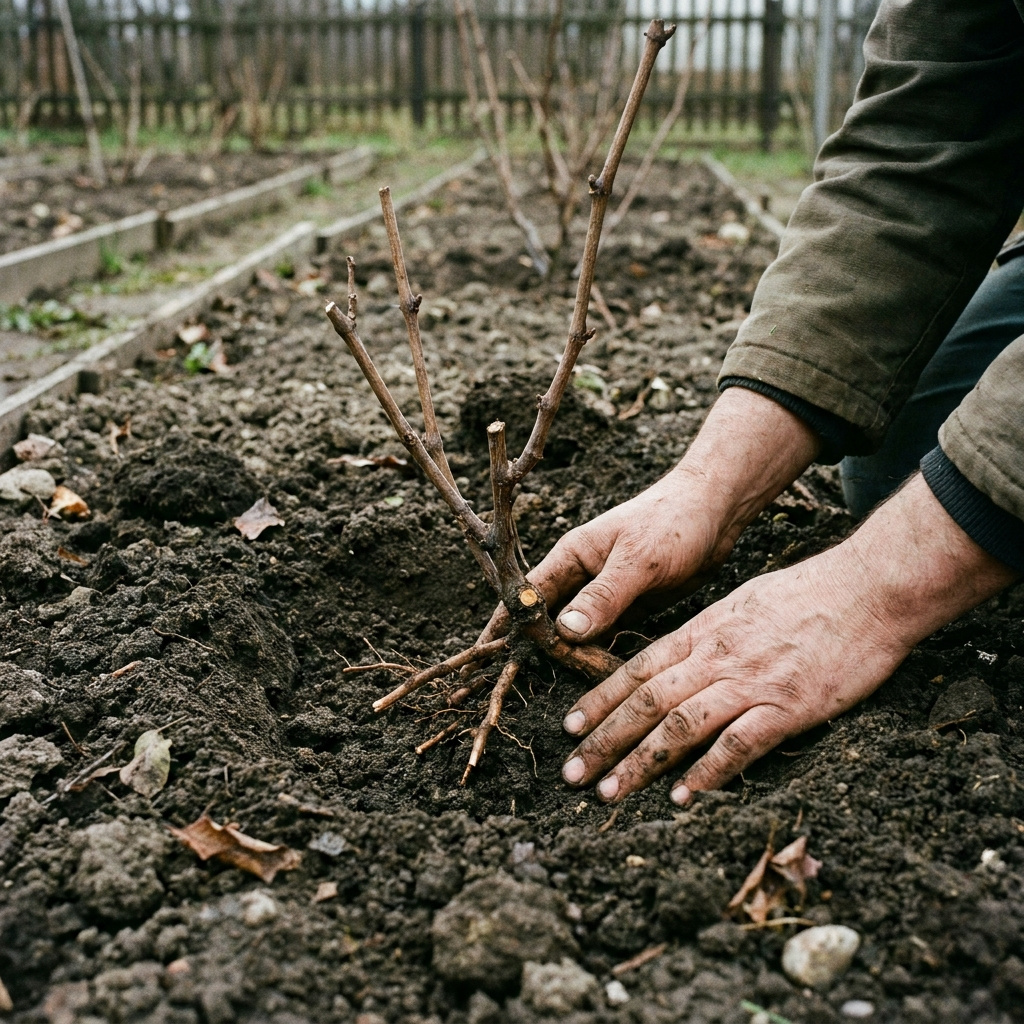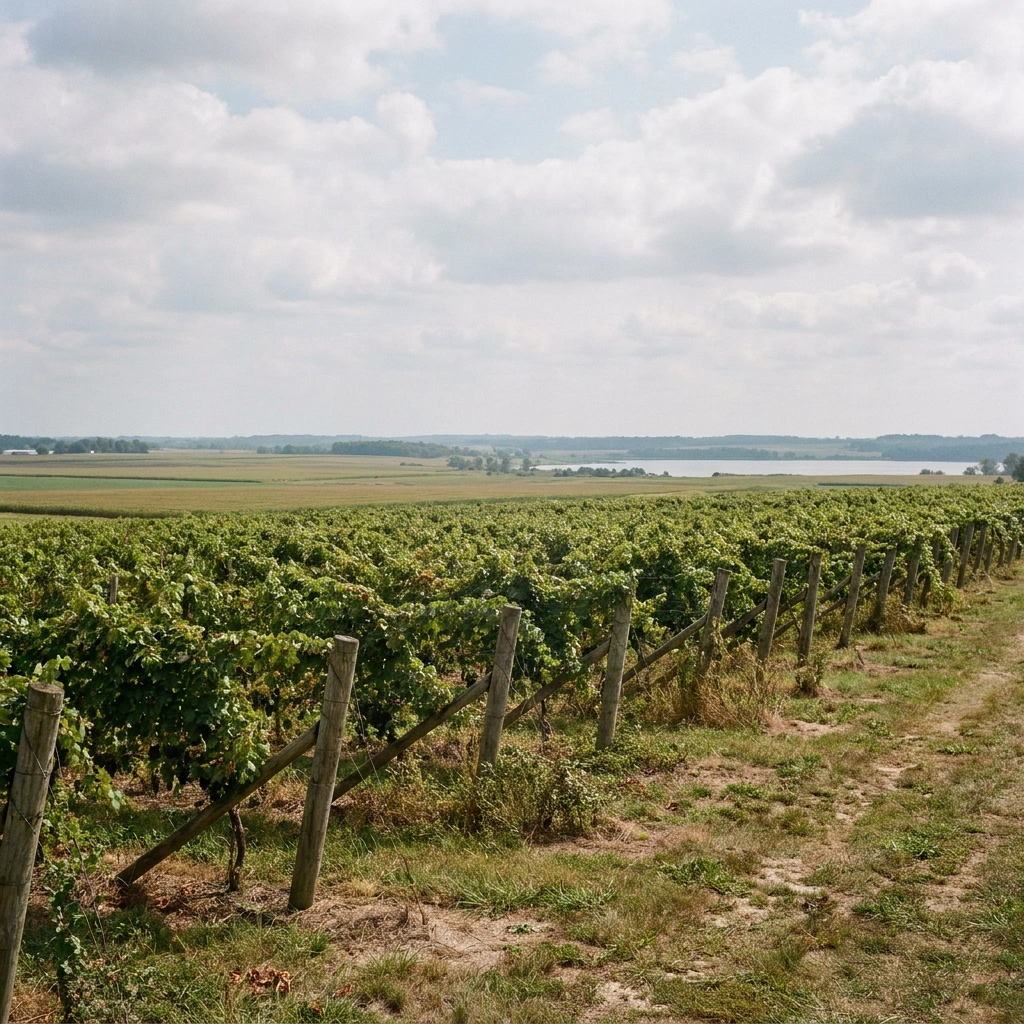
Yes, you can grow grapes in containers – and they can fruit surprisingly well. The short answer: choose a pot of at least 15-20 gallons (57-76 L), use a cold-hardy variety, and plan your winter storage before you plant. That last point is the one most container-grape guides skip entirely, and it’s the reason so many potted vines die in Zone 4-5 winters – not from top-growth cold damage, but from frozen roots.
Here’s what you need to know, backed up by University of Minnesota Extension guidance on cold-hardy viticulture.
Why Grow Grapes in Containers?
Container growing gives you options that in-ground planting doesn’t. You can move the vine to optimize sun exposure, bring it inside before a hard freeze, or simply enjoy a productive vine on a patio or balcony without committing to a trellis row in your yard. For renters, or anyone with limited space, a container vine is the most practical way to grow your own grapes.
Realistic yields from a well-managed container vine: expect 2-5 lbs (0.9-2.3 kg) of fruit by years 3-4. Not a harvest-party haul, but plenty for fresh eating, a small batch of jam, or a few bottles of home wine. If winemaking is your goal, see our home winemaking guide for where to start once you have fruit.
What Size Container Do You Need?
This is where most gardening sites get it wrong. A 5-gallon bucket will keep a vine alive for a season, but you’ll fight a losing battle with water stress, nutrient depletion, and stunted growth. Minimum: 15-20 gallons (57-76 L). Larger is better – a 25-30 gallon (95-115 L) container will reward you with a healthier root system and much more forgiving watering requirements.
Fabric grow bags are our first choice over hard plastic. They air-prune the roots, which prevents the circling root problems that strangle vines in solid containers, and they drain far more effectively. The handles also make moving the pot into winter storage a lot easier on your back.
Our pick for container growing: a 20-25 gallon fabric grow bag. If you want to shop around, search Amazon for options – 20-gallon fabric grow bags are widely available and range from about $15-30. Look for reinforced handles and a tight weave.
Best Grape Varieties for Containers (Cold-Climate Focus)
Not every variety thrives in a pot. You want naturally compact growth, cold hardiness (Zones 4-6), and reasonable fruit quality. Avoid rampant growers like Concord or Niagara unless you’re prepared for serious summer pruning.
Top picks for cold-climate container growing:
- Marquette – University of Minnesota release. Hardy to about -30°F (-34°C) on the canes. Manageable vigor, excellent wine quality.
- Frontenac – Very vigorous (needs firm pruning in a pot), but cold hardiness is exceptional (-35°F / -37°C). Good dark juice for red wine.
- La Crescent – White/aromatic, hardy to -30°F (-34°C). Compact enough for containers. Great fresh eating and white wine.
- Petite Pearl – Excellent cold hardiness, very compact growth habit – arguably the best fit for container size management. Great structure, complex wine.
- Itasca – UMN release, moderate vigor, cold-hardy to about -26°F (-32°C). White wine grape with nice aromatic character.
- Interlaken Seedless – For table/fresh eating, this seedless variety is more compact than most American types and works well in a pot with winter protection (rated Zone 5-6 depending on source; needs reliable winter storage in Zone 5).
Use the Grape Variety Finder tool to compare varieties by cold hardiness, flavor profile, and intended use – it’ll help you narrow down to the best match for your zone and goals.
Potting Mix and Drainage
Never use straight garden soil in a container – it compacts and suffocates roots. Grapes in pots need a well-draining, slightly gritty mix. A solid starting blend:
- 50-60% good-quality potting mix (not moisture-retaining “garden soil”)
- 20-25% perlite or coarse horticultural grit (improves drainage, prevents compaction)
- 15-20% compost (feeds the vine through the season)
Grapevines like slightly acidic to neutral soil: pH 6.0-6.5 is ideal. University of Minnesota Extension recommends avoiding heavy peat-based mixes for grapes, as they can hold too much moisture and encourage root disease. A pH meter and a handful of garden lime to adjust is worth the small investment.
Before planting, prepare your soil properly – the same principles in our soil preparation and planting guide apply to container mixes too.
Watering and Feeding Container Vines
This is where container growing gets demanding. A vine in a 20-gallon pot on a hot July day can need watering every 1-2 days. Containers dry out fast, leach nutrients with each watering, and offer the vine no buffer from soil moisture the way in-ground planting does.
Watering: Check the top 2 inches (5 cm) of soil – water when it’s dry to the touch. Don’t let the pot sit in standing water; grape roots rot quickly in soggy conditions. A drip emitter on a timer is a worthwhile investment if you travel in summer.
Feeding: Because nutrients leach with each watering, you’ll need to feed more than an in-ground vine. Use a balanced slow-release granular fertilizer (10-10-10 or similar) at planting in spring, then switch to a lower-nitrogen feed (something like 5-10-10) by midsummer to encourage cane hardening rather than green growth. Over-fertilizing with nitrogen late in the season pushes tender growth that won’t harden before fall – exactly what you don’t want in Zone 4.
Trellis and Staking in a Pot
A container vine still needs structure. The simplest setup: one or two 6 ft (1.8 m) bamboo or wooden stakes pushed into the pot, with horizontal wires or ties at 18 in (45 cm) and 36 in (90 cm) from the soil. This gives the vine something to train against without requiring a permanent fence post.
You can also lean the pot against a south-facing wall and use the wall surface for training – reflected heat from a brick or stone wall can extend your effective growing season by a couple of weeks at each end. Just know that you’ll need to detach the vine from the wall before moving it inside for winter.
For larger setups, our vineyard planner covers spacing and trellis systems that scale from backyard rows to full planting plans.
Pruning a Container Vine
Container vines need more aggressive pruning than in-ground vines – you’re deliberately keeping growth proportional to the root volume in the pot. The standard approach is spur pruning: each winter, cut back all canes to 2-bud spurs on a permanent cordon (horizontal arm). This keeps the vine compact and prevents the sprawling mess that overwhelms a pot.
Year 1: train one main trunk shoot, remove all flowers (don’t let the vine fruit yet – let it establish root mass). Year 2: establish the cordon, still minimal fruit. Year 3 onward: normal spur pruning for a full crop.
For detailed timing and technique, our grape pruning guide covers the full process, including when to prune in cold-climate zones where late spring frosts can damage early growth.
The Critical Part: Overwintering a Container Vine
Here’s the thing almost nobody tells you when they recommend growing grapes in containers: the roots are far less cold-hardy than the canes. Research puts root-kill for many grape varieties in roughly the 10-20°F (-12 to -7°C) range – vinifera roots can be damaged at temperatures as warm as 20°F (-7°C), with roots of hardy riparia-based hybrids surviving somewhat lower, perhaps down to around 10-15°F (-12 to -9°C). In other words, a Marquette vine whose canes shrug off -30°F (-34°C) can still lose its roots at 15°F (-9°C) if the pot’s soil drops that cold – because the container has no insulating soil mass around it. The pot exposes roots to ambient air temperature, which swings much harder than ground temperature. This is why the 28-40°F (-2 to +4°C) storage target below is so important: it keeps you safely above the danger zone.
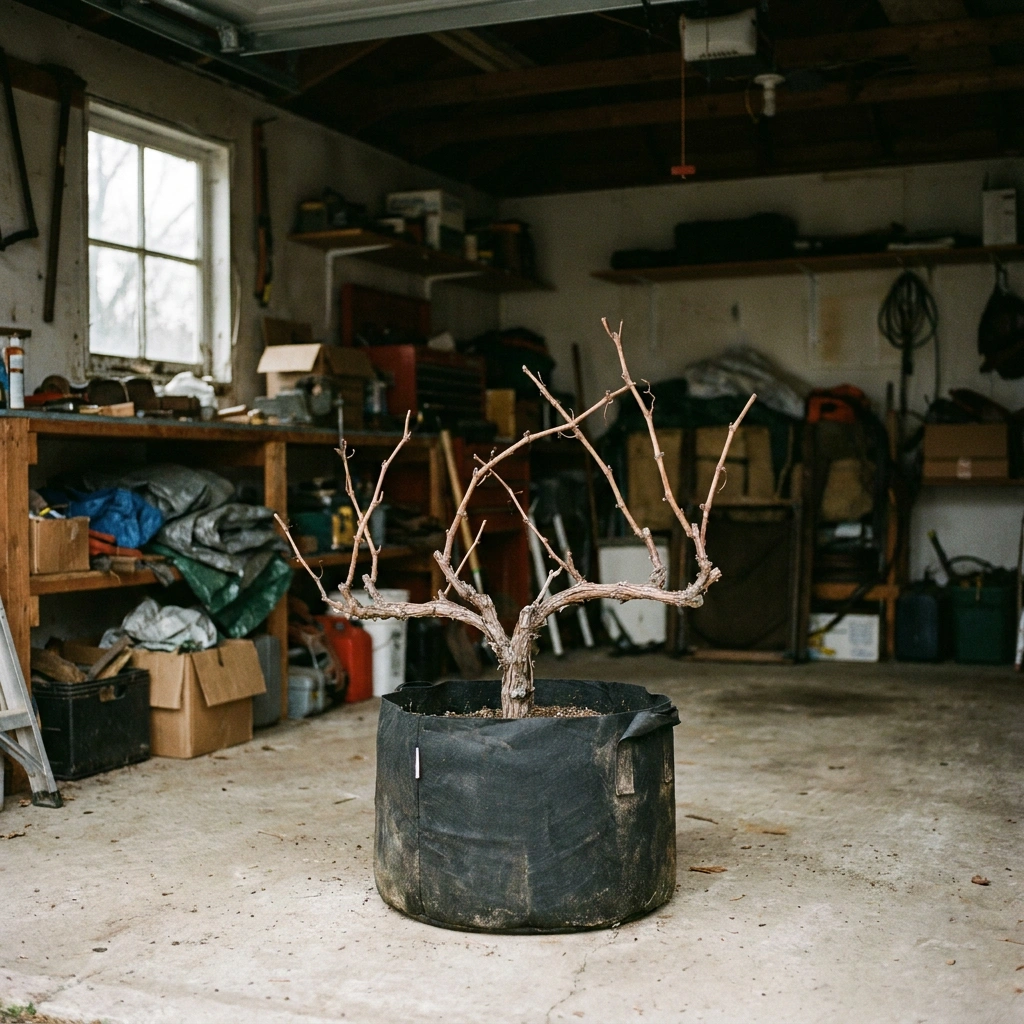
In Zone 4-5, you have a few options:
Option 1: Move to an Unheated Garage or Shed
This is the method we recommend first. After the first hard frost (below 28°F / -2°C), once the vine has gone fully dormant and dropped its leaves, move the pot into an unheated but enclosed structure. You want temperatures to stay between roughly 28-40°F (-2 to +4°C) – cold enough to keep the vine dormant, warm enough that roots don’t freeze solid. An attached garage in Zone 4-5 typically stays in this range naturally.
Water lightly every 3-4 weeks through winter – the vine is dormant but the roots still need occasional moisture. Don’t fertilize until spring growth begins.
Option 2: Insulate and Bury the Pot
If you have outdoor space and no suitable storage structure: dig a hole in the garden, sink the pot to its rim, and mound 12-18 inches (30-45 cm) of straw, wood chips, or leaves over the pot and lower canes. The ground itself provides insulation. This works reliably in Zone 5; in Zone 4 you’ll need generous insulation depth or a protective fabric cover over the mound.
Option 3: Heel the Pot Into a Soil Trench
For colder zones: dig a trench, lay the pot on its side, fill in around it with loose soil, and cover with straw. The pot is essentially buried for winter. This is more labor-intensive but provides the best root protection for Zone 3-4 winters.
Timing for spring: move the pot back out – or uncover it – after the last hard freeze risk has passed and daytime temps consistently exceed 45°F (7°C). Don’t rush it; a few more weeks of dormancy won’t hurt, but bringing a pot out too early and then getting a -10°F (-23°C) snap can undo your whole winter’s work.
Realistic Yields and Expectations
A well-managed container vine in a 20-gallon (76 L) pot, in its third or fourth year, can yield 2-5 lbs (0.9-2.3 kg) of fruit in a good season. That’s roughly 1-2 bottles of wine if you’re home-winemaking, or a decent supply for fresh eating or jam. Container vines don’t scale the way a vineyard row does – but for a patio, balcony, or small backyard, they’re a genuinely satisfying crop.
Use the Vineyard Pruning Calendar to track your annual pruning window by zone – it’s as useful for a single container vine as for a full row planting.
If you’re comparing varieties for your container and want to dig into harvest Brix, flavor notes, and cold hardiness ratings side-by-side, the Grape Variety Finder is the fastest way to sort through options.
Want a printable cheat-sheet of the best cold-hardy varieties for home growers? Sign up for the free Grape Grower’s Cheat Sheet in the sidebar – we’ll send it straight to your inbox.
Frequently Asked Questions
Can grapevines grow in pots permanently?
Yes – a container vine can live and fruit for 10 or more years with good care. The key is repotting or refreshing the potting mix every 3-4 years to avoid salt buildup and nutrient depletion, and winter storage in cold climates to protect the roots.
What is the minimum pot size for a grapevine?
15-20 gallons (57-76 L) is the practical minimum for a vine you want to fruit. Smaller pots (5-10 gallons) will grow a vine but produce minimal fruit and require daily watering in summer heat. Larger is better – a 25-30 gallon (95-115 L) pot is ideal for long-term growing.
How cold can a potted grapevine survive?
The canes of cold-hardy varieties like Marquette or Frontenac can survive -30°F (-34°C) – but grape roots are far less cold-hardy than canes. Research puts root-kill in roughly the 10-20°F (-12 to -7°C) range, meaning even a hardy vine can lose its roots if the pot soil drops into that zone. This is why winter storage (garage, insulated burial, or trenching) targeting 28-40°F (-2 to +4°C) is essential in Zones 4-5.
Do container grapevines need full sun?
Yes. Grapes need at least 6-8 hours of direct sun daily for good fruit development. In short-season climates (Zones 4-5), a south- or southwest-facing position against a wall – where reflected heat accumulates – can make a meaningful difference in ripening your crop before frost.
Can I grow seedless grapes in a container in a cold climate?
Some seedless varieties work in containers with winter protection. Interlaken Seedless is the most cold-tolerant option (Zone 5) and compact enough for pots. Most commercial seedless varieties (Thompson, Crimson) are bred for warm climates and will not survive Zone 4-5 winters even with storage.
🍇 Don’t plant the wrong grape
Vines take years to fruit. Get the free cheat-sheet of varieties that actually survive and ripen in your zone.
By subscribing you agree to our Privacy Policy.