Author name: Pete Lindgren

Pete Lindgren is a retired Wisconsin teacher who tends a Zone 4 home vineyard of cold-hardy grapes and compiles cold-climate viticulture research so new growers can skip the mistakes he made.

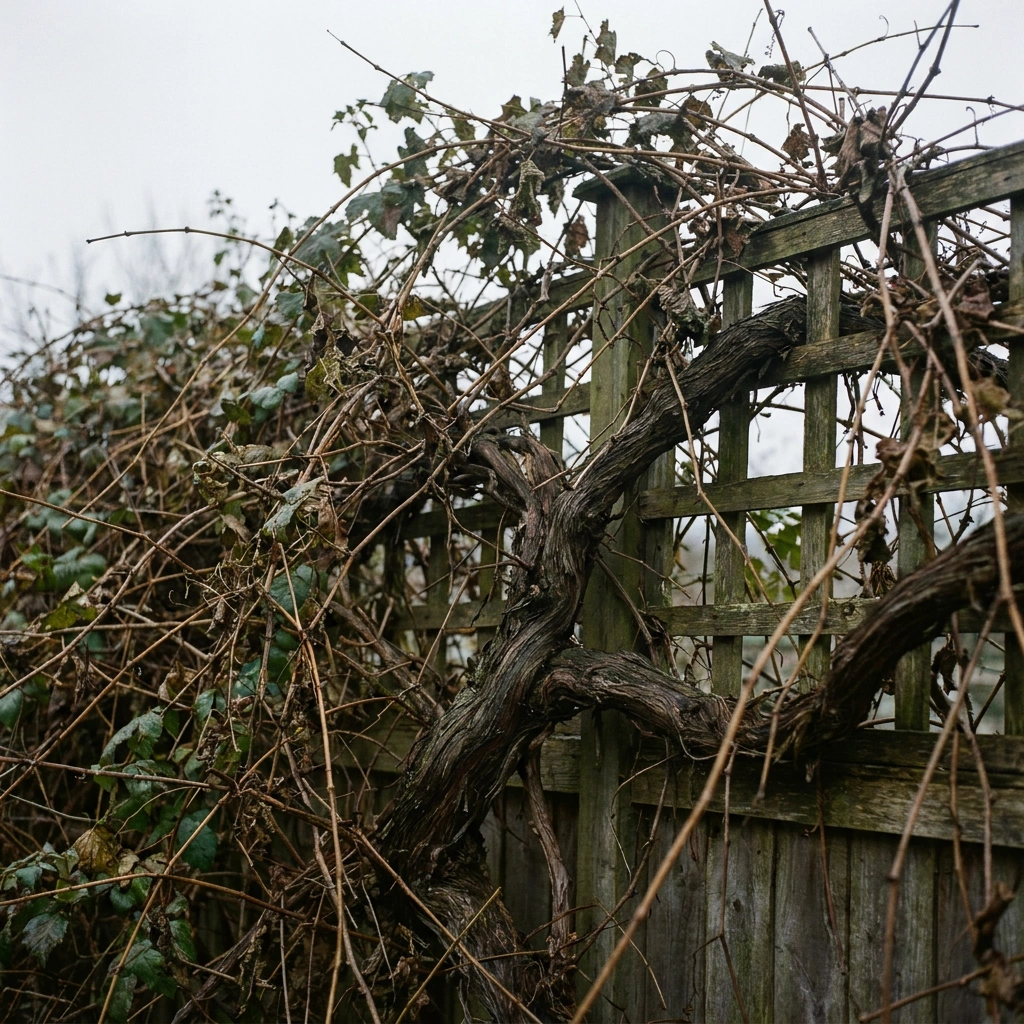
Hydrometer in test cylinder of red wine next to a carboy fermenter — checking for stuck fermentation
Grape Growing

Stuck Fermentation: Why It Happens and How to Restart It

A stuck fermentation means yeast has stopped before the wine is dry — SG above 1.000–1.005 instead of the expected 0.990–0.996 finish. Here is how to diagnose it with a hydrometer, fix the common causes (temperature, high alcohol, nutrient deficiency, excess SO2), and restart it using a step-fed yeast starter. Cold-climate and chaptalized musts are especially prone.

Stuck Fermentation: Why It Happens and How to Restart It Read Post »

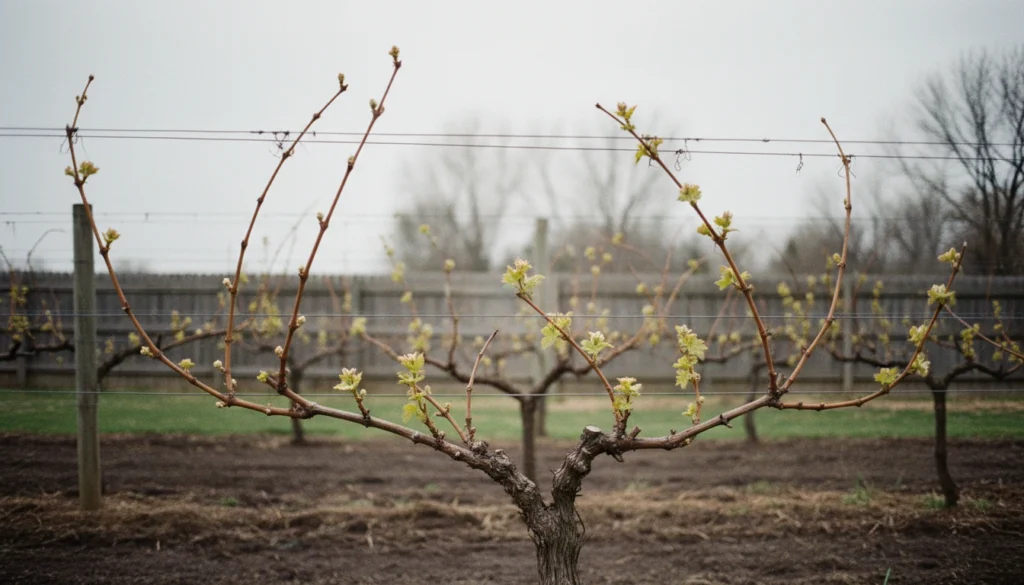
Dormant grape vines with straw mulch mounds under light snow in a cold-climate backyard vineyard in winter
Grape Growing

Winterizing Grape Vines: How to Protect Vines in a Cold Climate

Winterizing grape vines depends on what you’re growing. Cold-hardy hybrids like Frontenac and Marquette survive unprotected in Zone 3-5. Tender vinifera and half-hardy hybrids need root mulching, cane burial, or geotextile fabric. This guide covers every method, when to apply protection, when to remove it, and the fall mistakes that undermine cold hardiness – from a Zone 4 Wisconsin grower compiling 12 years of experience and UMN/Cornell extension research.

Winterizing Grape Vines: How to Protect Vines in a Cold Climate Read Post »

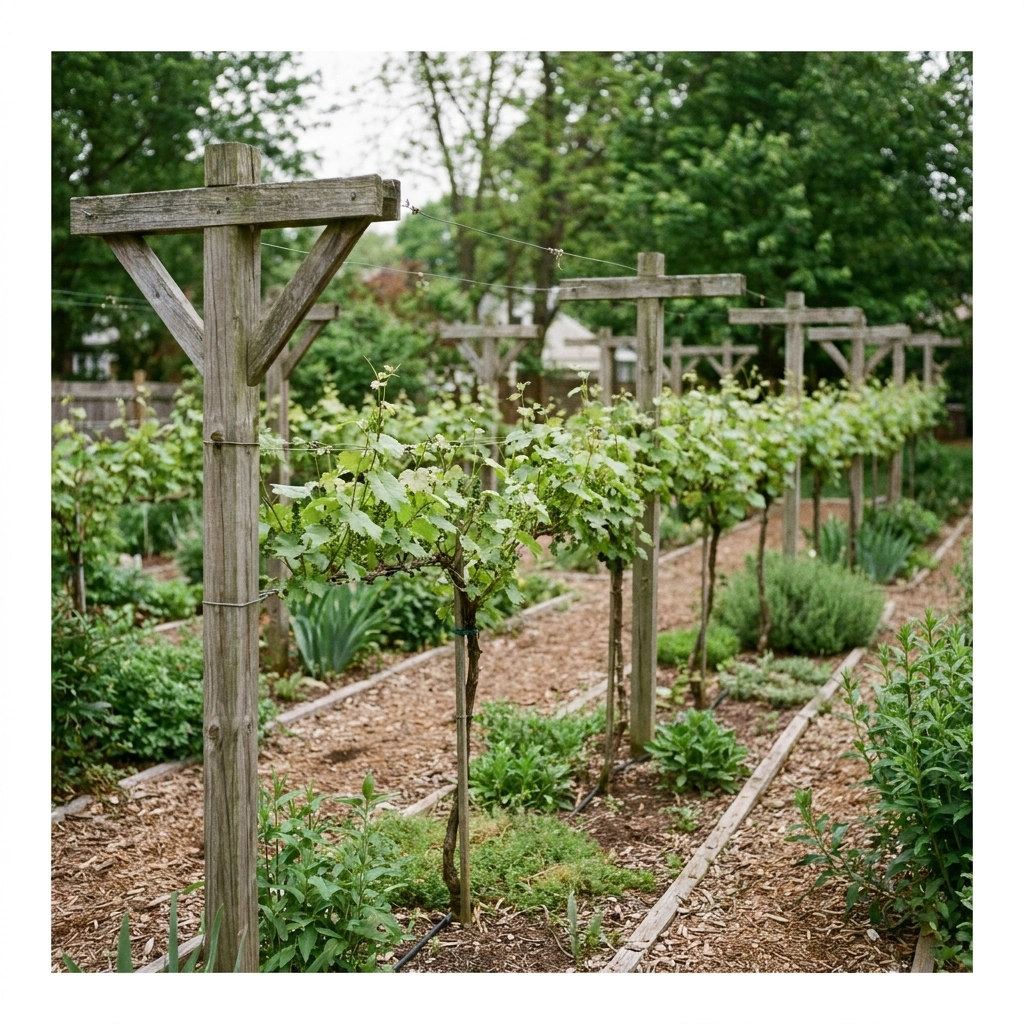
Home winemaker acid testing setup: beaker of dark red must, analog pH meter, titration reagent bottles, and handwritten notebook on a rustic workbench
Grape Growing

Taming High Acidity in Cold-Climate Grapes: MLF and Deacidification

Cold-hardy hybrids like Frontenac, La Crescent, and Marquette often arrive at harvest with TA of 10-16 g/L — the defining winemaking challenge for northern home vintners. Learn how malolactic fermentation, chemical deacidification, cold stabilization, and blending work together to bring these wines into balance.

Taming High Acidity in Cold-Climate Grapes: MLF and Deacidification Read Post »

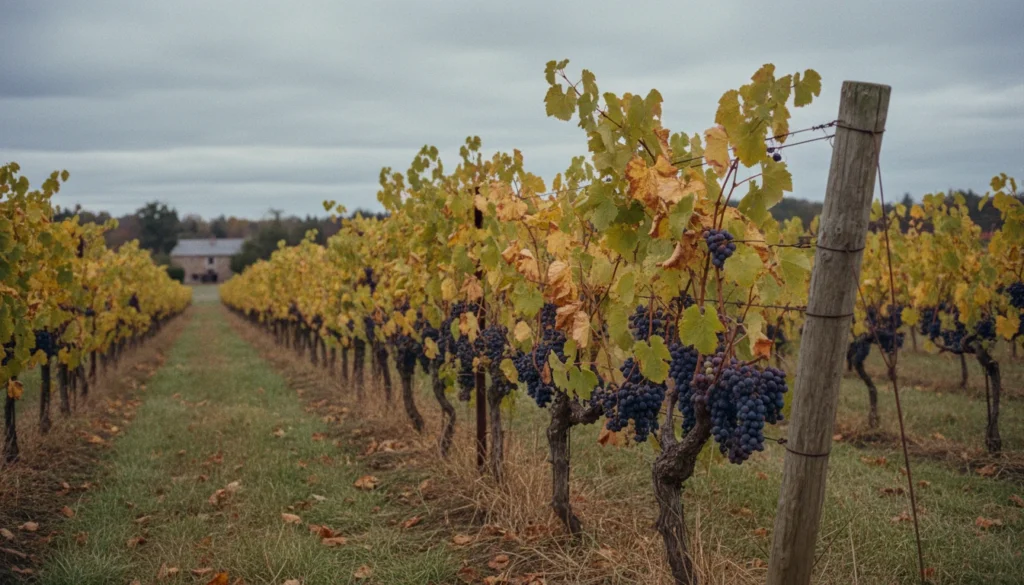
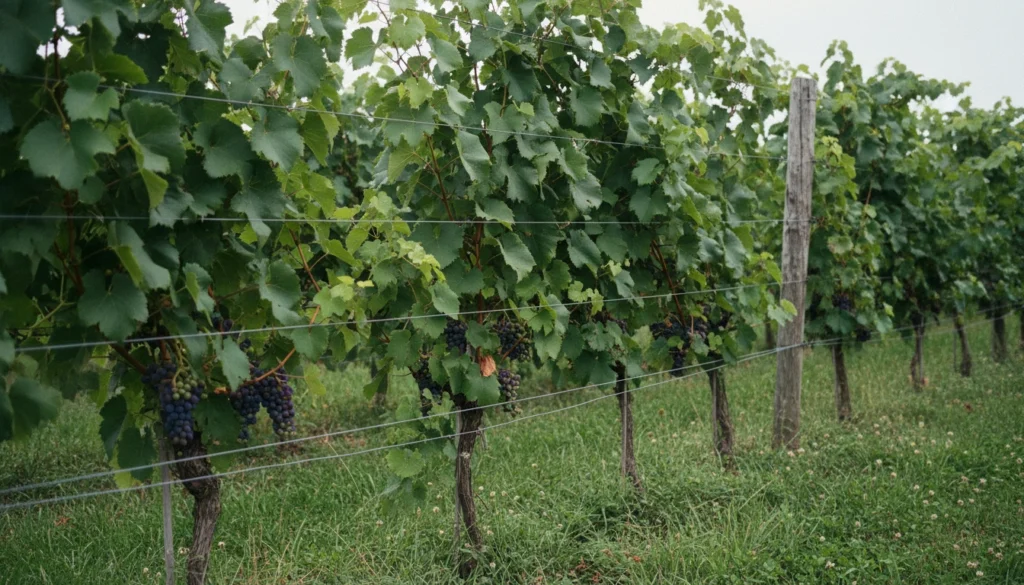
Late-season backyard vineyard with dark cold-hardy grape clusters hanging on wooden trellis posts, overcast autumn sky
Grape Growing

The Best Grape Varieties for Zone 4: Cold-Hardy Picks for Wine, Juice and Table

Wondering which grapes actually survive Zone 4 winters? This guide rounds up the proven cold-hardy varieties — Marquette, Frontenac, La Crescent, Valiant and more — grouped by use, with honest notes on which popular grapes are really Zone 5 picks that struggle without protection.

The Best Grape Varieties for Zone 4: Cold-Hardy Picks for Wine, Juice and Table Read Post »

Scroll to Top