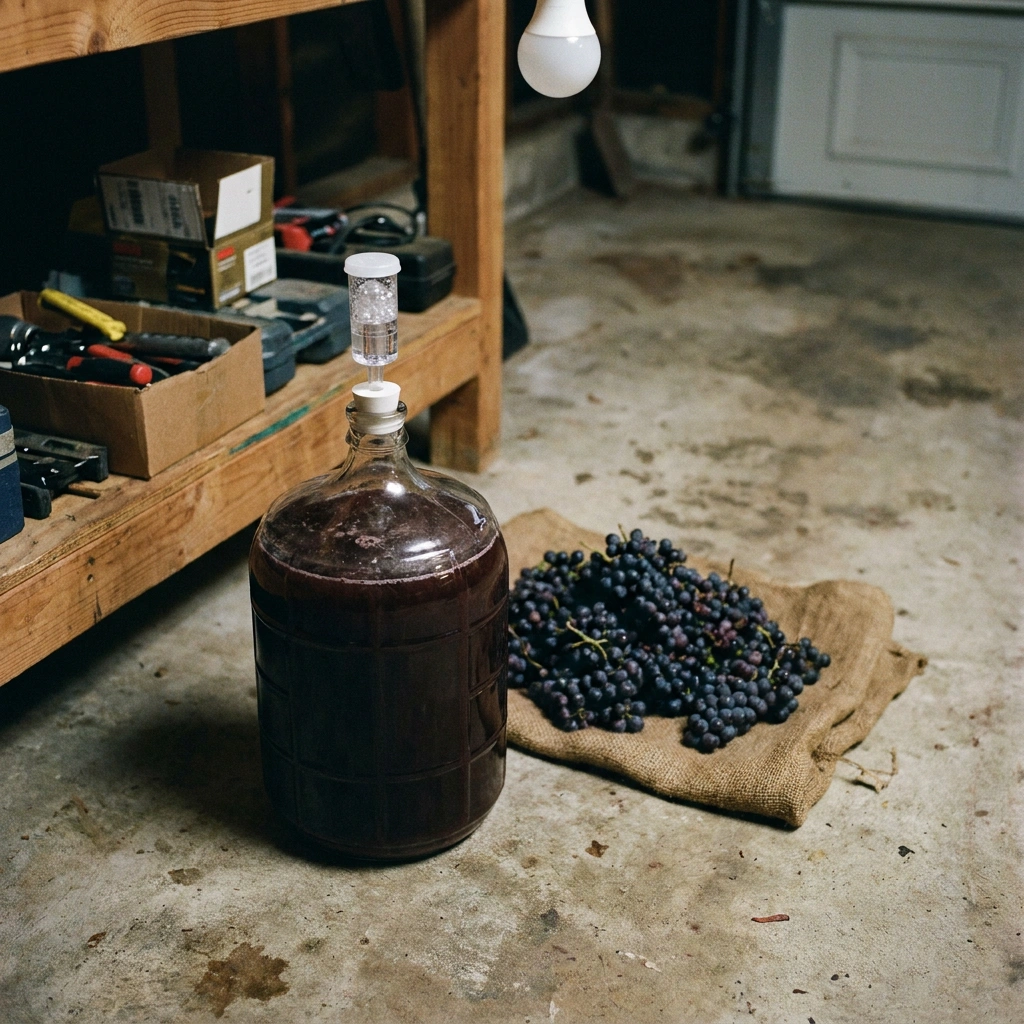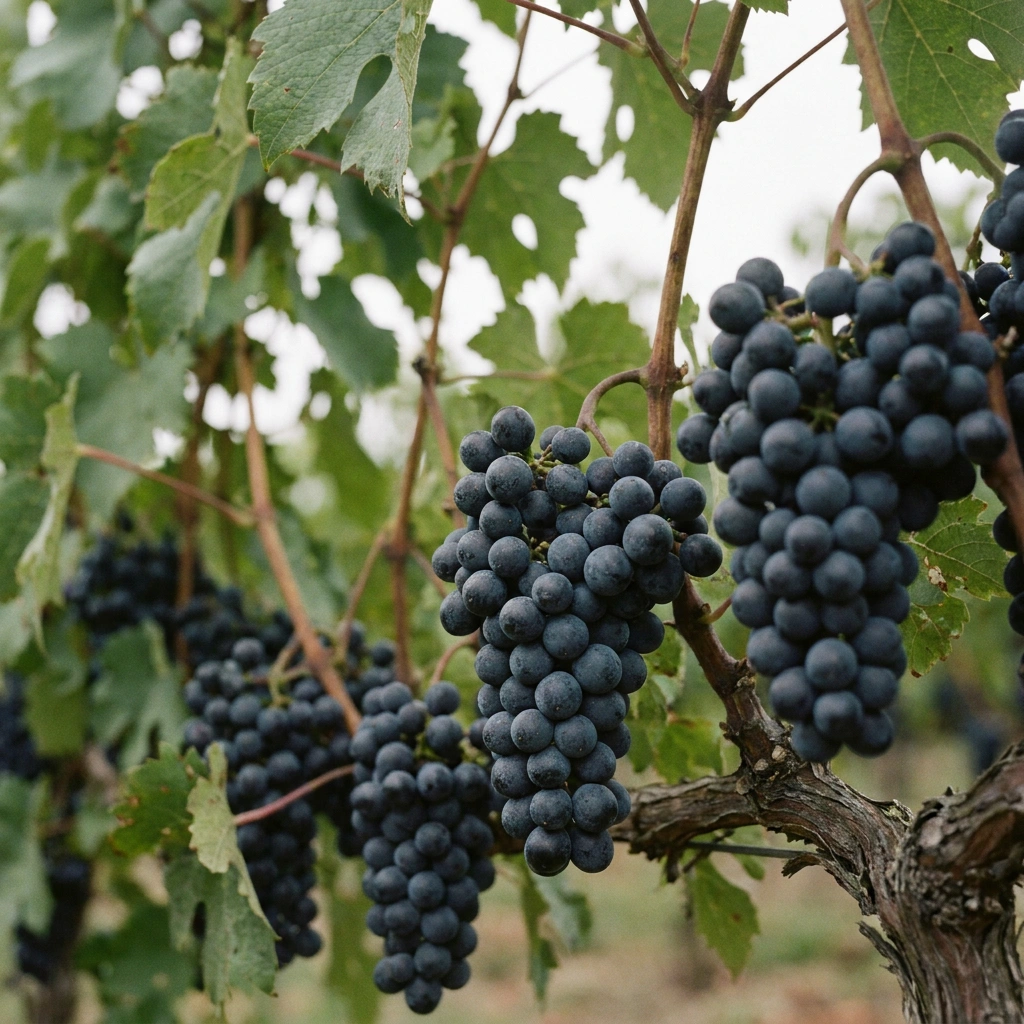
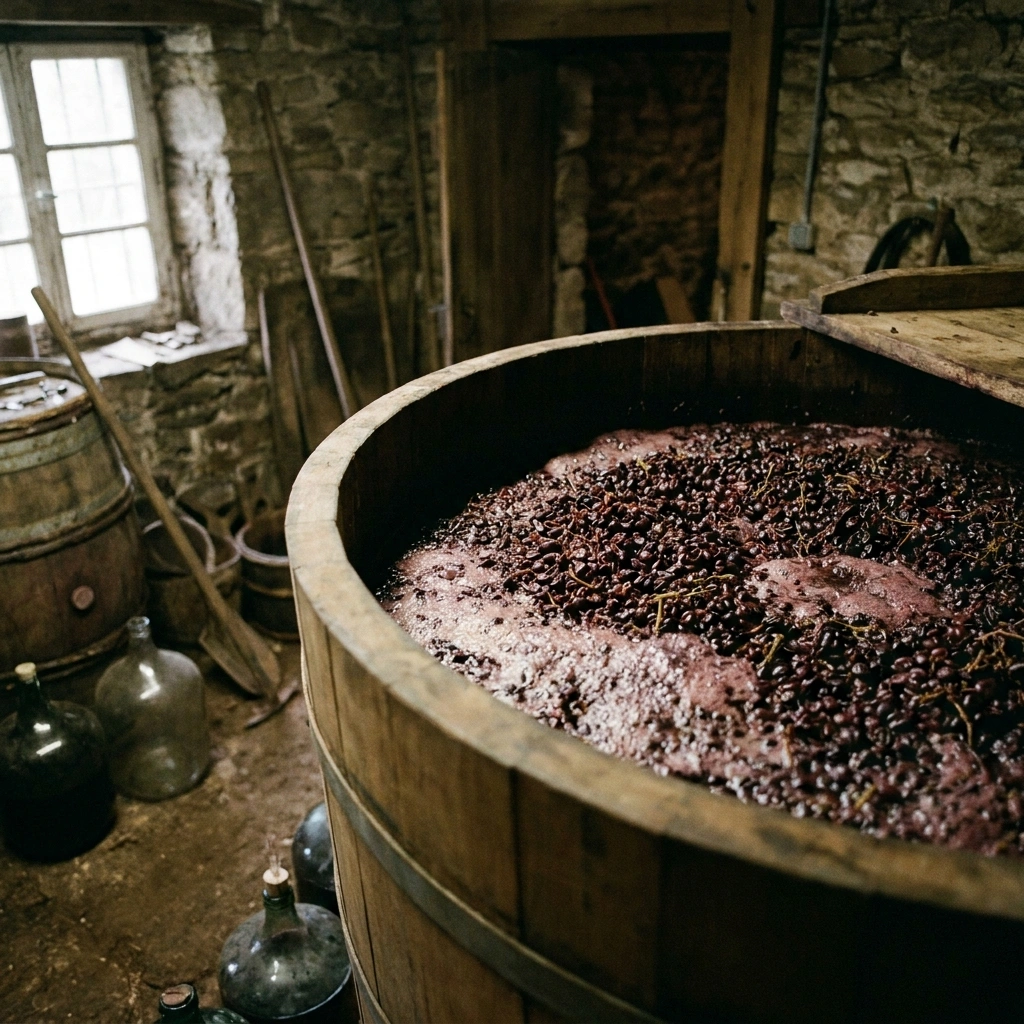
Red wine is red because it ferments on the grape skins. White wine is pressed away from the skins before fermentation begins. Rosé spends a few hours in contact with them. Orange wine keeps white grapes on the skins for days or weeks. That is the whole story – everything else is detail.
Those details matter a lot, though, especially if you are crushing your own cold-hardy hybrid grapes in a cold climate. Varieties like Marquette, Frontenac, and Rondo carry extraordinarily high concentrations of color and tannin in their skins. Understanding what the skins do – and how long to leave your must on them – is the difference between a rough, astringent wine and something you genuinely want to drink.
What Is Inside a Grape Skin?
The skin (botanically, the exocarp) is a thin but dense package of compounds that drive almost everything interesting about wine:
- Anthocyanins – the pigments that give red and blue-black grapes their color. They dissolve readily in water and alcohol and are responsible for the ruby, garnet, and purple hues of red wine. White grape skins contain little to no anthocyanin, which is why white wine pressed quickly stays pale.
- Tannins – polyphenolic compounds found in the skins, seeds, and stems. In red wine production, most tannin extraction comes from the skins during fermentation. Tannins create the dry, gripping sensation you feel on your gums. They also bind with oxygen over time, which is why tannic red wines can age for decades while white wines generally cannot.
- Aromatic compounds – terpenes and other volatiles that contribute floral, spicy, and fruity aromas. In aromatic varieties like La Crescent or Muscat-family grapes, these are concentrated just below the skin surface.
- Yeast – wild yeasts live on the waxy bloom of the skin and can kick off natural fermentation, though most home winemakers use commercial yeast for consistency.
The flesh (pulp) of most grape varieties is nearly colorless, even in red grapes. Squeeze Marquette juice into a glass before fermentation – it runs pink or pale purple, not the deep red of finished wine. That deep color comes from the skins during maceration.
Red Wine: Fermentation on the Skins (Maceration)
Red wine production starts with crushing the grapes to break the skins, then fermenting the whole must – juice, skins, seeds, and sometimes stems – together. The alcohol produced during fermentation acts as a solvent, pulling color and tannin out of the skins far more efficiently than water alone. This process is called maceration.
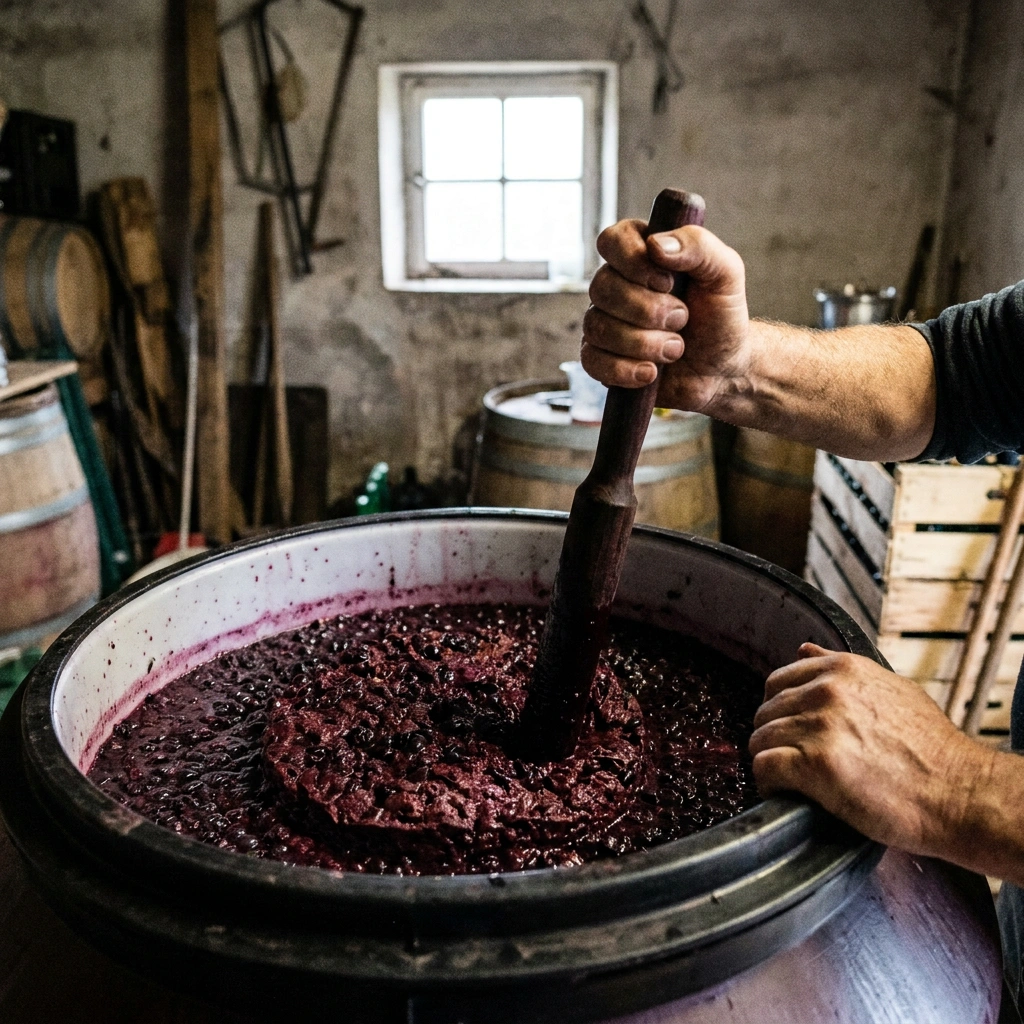
As CO₂ bubbles up during active fermentation, it pushes the skins to the surface, forming a dense floating mat called the cap (French: chapeau). If the cap sits dry, extraction slows and spoilage bacteria can grow on it. To keep extraction even and the cap moist, you need to work it back down into the must. There are two traditional methods:
- Punch-down (pigeage) – using a tool to push the cap back into the liquid. Common for small home batches, gentle on the skins. Typically done 2-3 times per day during active fermentation.
- Pump-over (remontage) – drawing juice from the bottom of the vessel and pumping it over the cap. More common at commercial scale.
How Maceration Time Affects the Wine
Maceration length is one of the most important decisions in red winemaking. According to University of Minnesota Extension guidance on cold-hardy hybrid production, high-anthocyanin varieties like Marquette and Frontenac can hit their color saturation peak in as little as 3-5 days, while tannin extraction continues much longer:
- 3-5 days: Lighter body, fresh red fruit character, lower tannin. Suitable for early-drinking styles or if you find your hybrid variety produces harsh tannins from extended contact.
- 7-10 days: Fuller color, moderate tannin, more structure. A common target for table reds from Marquette or Frontenac Gris.
- 14+ days: Maximum extraction – deep color, firm tannin, wine will need time in barrel or bottle to soften. Approach with caution on seed-forward hybrid varieties, where prolonged maceration can pull bitter green tannins from the seeds.
Temperature also matters. Cooler fermentation temperatures (60-65°F / 15-18°C) extract color slowly and preserve aroma. Warmer temperatures (70-75°F / 21-24°C) speed up extraction and fermentation but can strip delicate aromatics.
White Wine: Off the Skins Immediately
White wine production takes the opposite approach. After crushing, the grapes go straight to the press. The juice – now called free-run juice plus pressed fractions – is settled, then fermented alone with no skin contact. This is why white wine is pale and low in tannin.
For cold-climate white hybrids like La Crescent, Itasca, or Frontenac Blanc, pressing quickly is especially important. These varieties have thinner skins than warm-climate whites, and even 30-60 minutes of skin contact before pressing can add a faint bitterness you probably do not want in a crisp, aromatic white.
One exception: some winemakers allow a brief cold soak (also called pre-fermentation maceration) at near-freezing temperatures – 35-40°F (2-4°C) – for a few hours. At these temperatures, fermentation cannot start, so only water-soluble aromatic compounds extract, not much tannin or color. It can add complexity to an aromatic white. Cornell Cooperative Extension has covered this technique for Riesling and similar varieties in cool-climate settings.
Rosé: Brief Skin Contact
Rosé sits in the middle. There are two main methods:
- Direct pressing (Provence style) – red grapes are pressed immediately or after just 2-12 hours of skin contact. The result is pale salmon to light pink, delicate, low tannin.
- Saignée (bleeding method) – partway through red wine fermentation, a portion of pale pink juice is “bled off” the tank and fermented separately as rosé. This also concentrates the remaining red wine. Common in small-batch home winemaking because you can do both at once.
For home winemakers with Marquette or Frontenac, the saignée method is worth trying. Bleed off 20-30% of the must after 4-8 hours of cold maceration. You get a vibrant, dark pink rosé with good acidity, and your remaining red wine gets more concentrated color and tannin per gallon.
Orange Wine: White Grapes, Extended Skin Contact
Orange wine is white wine made like red wine – white grapes crushed and left on their skins for anywhere from a few days to several months. The result is amber to deep orange in color, with tannin structure you never find in conventional white wine. See our dedicated guide to what is an orange wine for the full story.
For home winemakers, aromatic cold-hardy whites like La Crescent or Itasca are promising candidates for orange-style wines. Their floral compounds are skin-adjacent and become more complex with extended contact, while their high natural acidity keeps the wine fresh through a longer maceration. I have not tried it myself yet, but it is on my list for this fall.
Cold-Hardy Hybrids: High-Color, High-Tannin Skins
One of the quirks of growing cold-hardy hybrid varieties in Zone 3-6 climates is that their skins tend to be richer in both color and tannin than equivalent European vinifera varieties. Marquette in particular has been noted by University of Minnesota researchers to have high anthocyanin potential – it can produce wines as deeply colored as Cabernet Sauvignon with far shorter maceration times.
This is a double-edged sword. You get beautiful color quickly. But if you extend maceration beyond 7-10 days without managing extraction carefully, you can also extract harsh seed tannins that make the wine unpleasant for years. Punch down gently, taste the must daily after day 5, and press when the balance feels right – do not just follow a fixed timeline.
If you are still figuring out how much fruit to start with, check our guide on how many pounds of grapes it takes to make a bottle of wine. And once you have your must ready, our step-by-step home winemaking instructions walk through the full process.
Equipment: What You Actually Need for Skin-Contact Fermentation
You do not need expensive equipment to ferment on the skins. A food-grade plastic bucket or a large carboy works fine for batches under 5 gallons (19 L). For larger batches, an open-top fermenter – a 10 or 20-gallon (38-75 L) food-grade bucket – gives you easier access to punch down the cap.
The one piece of equipment that makes the biggest difference is a good fruit press for pressing after maceration. A quality basket press lets you separate clean wine from the skins efficiently, and the pressing fraction you keep or discard has a significant impact on tannin level in the final wine.
FAQ: Grape Skins and Wine
Why is red wine fermented with the skins?
Because red wine’s color and tannin both come from the skins, not the juice. The grape pulp is nearly colorless even in red varieties. Fermenting on the skins allows alcohol to extract the anthocyanin pigments and tannins that define red wine’s appearance, texture, and aging potential.
Does white wine ever touch the grape skins?
Conventional white wine is pressed off the skins before fermentation, so contact is minimal – usually just the time it takes to move the grapes from crusher to press. Some winemakers allow a cold soak of a few hours to enhance aroma, but fermenting white wine on the skins produces orange wine, not white wine.
How long should you leave red wine on the skins?
It depends on the variety and style you want. For cold-hardy hybrids with thick, color-rich skins (Marquette, Frontenac), 5-10 days is a common range. Taste the must daily from day 5 onward. Press when you like the color and tannin balance – there is no universal right answer.
What is the cap in red wine fermentation?
The cap is the mass of grape skins, seeds, and pulp that CO₂ gas pushes to the surface during fermentation. It can rise several inches above the liquid. Punching it down 2-3 times per day keeps it moist, ensures even extraction, and prevents spoilage bacteria from growing on the dry surface.
What makes orange wine orange?
White grapes fermented on their skins for an extended period – days to months. The skins contribute tannin and a golden-amber pigment that turns the wine orange. It is structurally identical to making red wine, just with white grape varieties. For a full breakdown, see our guide on what is an orange wine.
🍇 Don’t plant the wrong grape
Vines take years to fruit. Get the free cheat-sheet of varieties that actually survive and ripen in your zone.
By subscribing you agree to our Privacy Policy.