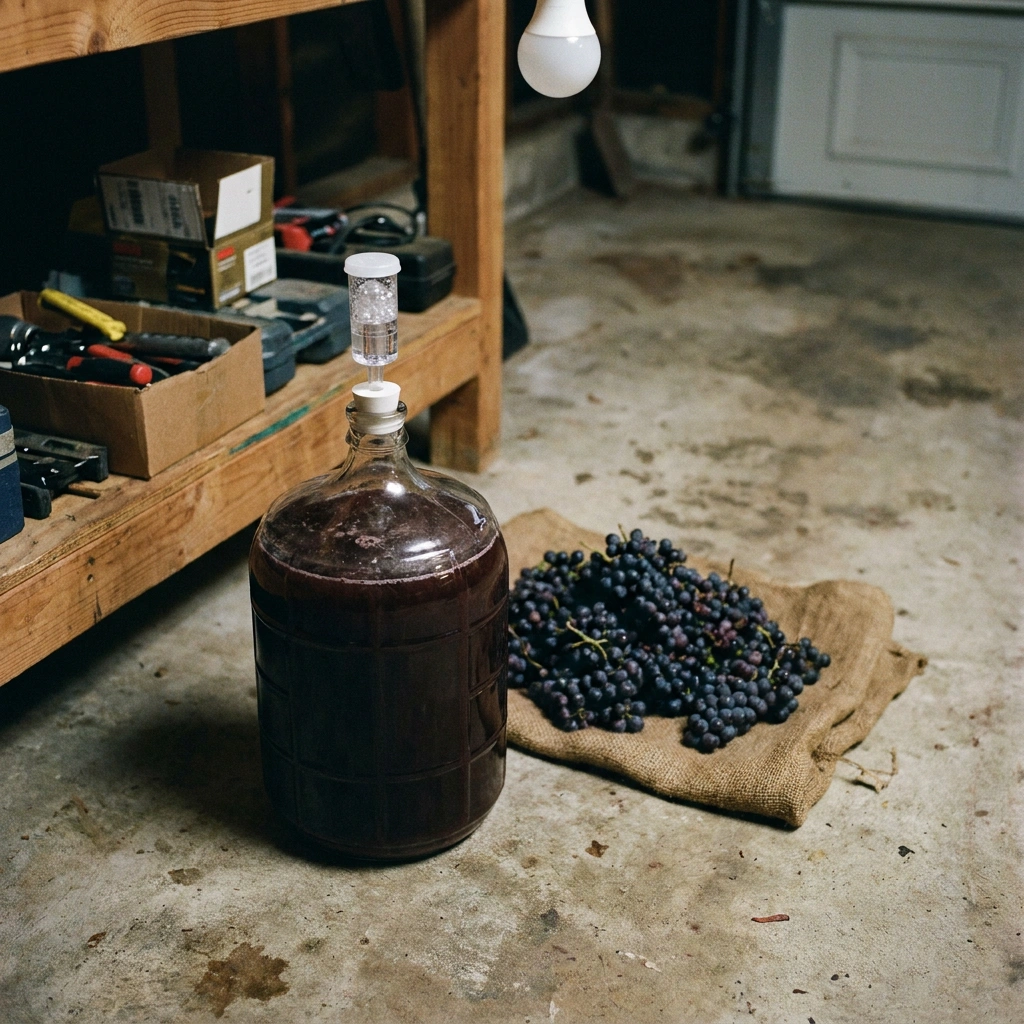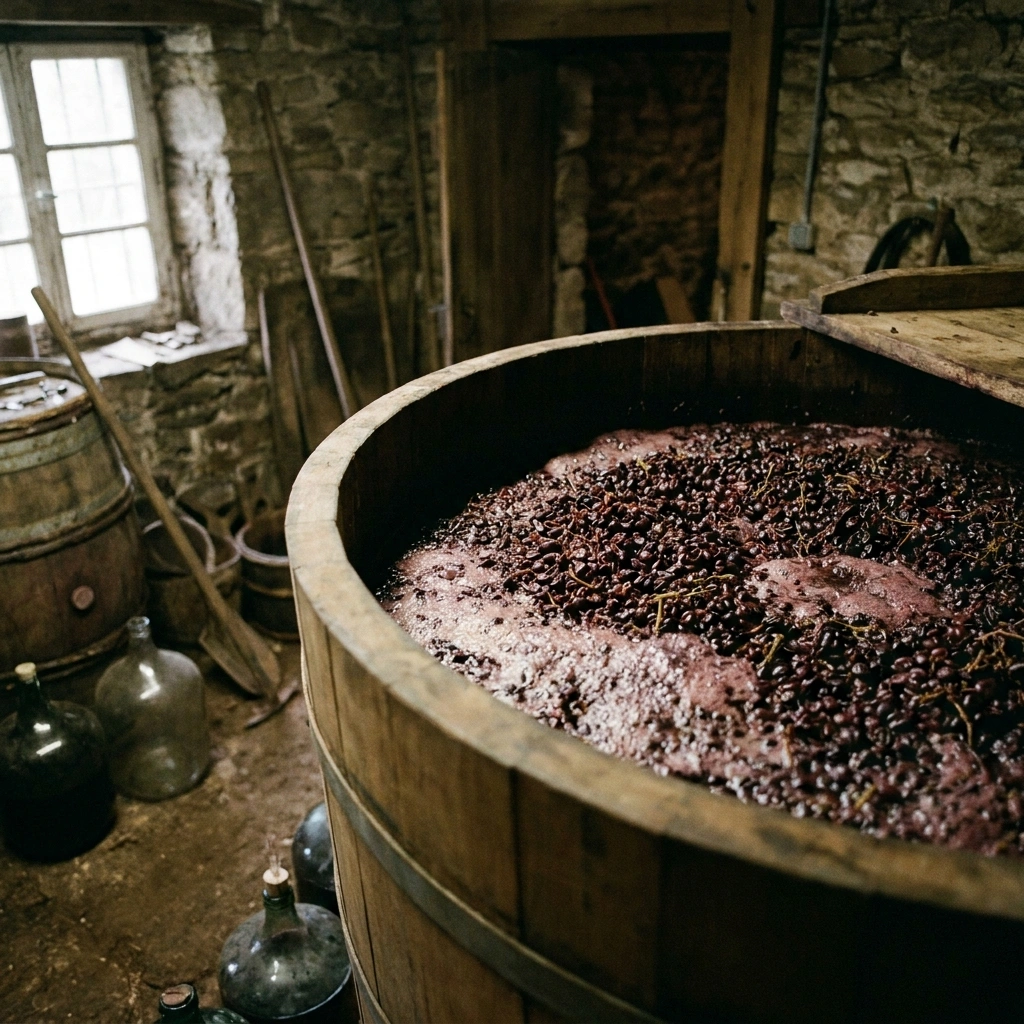
The quickest way to pick a wine making kit: if you just want to learn the process, a 1-gallon starter kit (around $30–$50) is the right place to begin. If you already know you want to make real wine in meaningful quantities, jump straight to a 6-gallon equipment and ingredient kit (about 30 bottles per batch). If you grow your own cold-hardy grapes and need to press and ferment your own fruit, skip both and get an equipment-only kit built around a 5–6 gallon glass carboy.
Below are our picks by category, all sourced from Amazon, all with real PA-API product images. Check current price and availability on Amazon (links below); we earn a small commission if you buy, at no extra cost to you.
How to choose a wine making kit
- 1-gallon vs 6-gallon: 1-gallon batches produce about 4–5 bottles and are ideal for experimenting with different fruits or grape varieties. 6-gallon batches yield around 28–30 bottles (750 ml) — proper production quantity, but a bigger time and space commitment.
- Equipment + ingredients vs equipment only: “Complete kits” that include juice concentrate or dried fruit are fast and beginner-friendly. If you’re pressing homegrown cold-hardy grapes, you need equipment only — your fresh juice is the ingredient.
- Plastic vs glass carboy: Plastic fermenting buckets are fine for primary fermentation. For secondary (clearing) fermentation lasting weeks, glass is better — no permeability, no off-flavors.
- What’s typically not included: wine bottles, corks, a corker, bottle labels, and a hydrometer (sometimes). Check the kit listing. The wine making process also requires Campden tablets and potassium sorbate for stabilizing — equipment-only kits won’t include them, but complete ingredient/juice kits usually do. Check the listing.
- How many pounds of grapes per bottle? Plan on roughly 2.5–3 lb (1.1–1.4 kg) of fresh grapes per 750 ml bottle. For a 6-gallon batch (about 30 bottles), budget roughly 100–120 lb (45–54 kg) once you account for juice yield and fermentation loss. Our pounds-to-bottle guide has the full breakdown by batch size.
Group A: 1-Gallon Starter Kits (Learn the process)

Craft A Brew Fruit Wine Making Kit
The most beginner-friendly pick here. You get reusable equipment plus pre-measured ingredients – just add fresh, frozen, or juiced fruit. Makes up to 20 separate 1-gallon batches, so you can work through the harvest by variety without committing to a large fermenter.
Check it on Amazon →
Home Brew Ohio 1-Gallon Wine From Fruit Kit
A solid budget option that includes a mini auto-siphon – often sold separately elsewhere. Good starter value if you want to run a single trial batch with a handful of cold-hardy grapes before buying larger equipment.
Check it on Amazon →
Master Vintner Fresh Harvest 1-Gallon Kit
Master Vintner is a trusted name in home winemaking. This 1-gallon version is a clean, no-fuss kit for a first batch – carboy, airlock, and the chemicals you need. Pair it with our wine making instructions for a guided first run.
Check it on Amazon →Group B: 6-Gallon Kits (Full batch — about 30 bottles)

Master Vintner 6-Gallon Equipment Starter Kit
Everything you need to ferment 6 gallons (about 30 bottles). Two-stage setup with primary fermenter bucket and glass carboy for secondary. Buy this kit and then add a Winemaker’s Reserve ingredient pack separately – that way you pick any grape variety you want.
Check it on Amazon →
Master Vintner Winemaker’s Reserve Cabernet Sauvignon Kit (6 Gallons)
If you want a full ingredient kit – juice concentrate, yeast, finings, everything – this Cabernet Sauvignon pack is a consistent, highly-regarded choice. Use with the 6-gallon equipment kit above. Yields about 30 bottles in roughly 4–6 weeks of active work.
Check it on Amazon →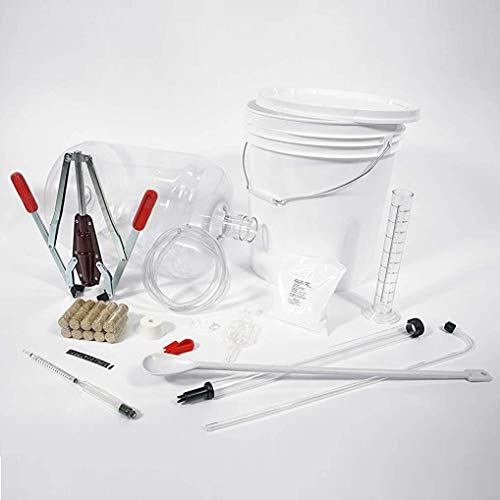
Wild Grapes Premium 6-Gallon Wine Equipment Kit
A well-kitted equipment-only package (no ingredients) that works equally well for store-bought juice concentrates or pressed fresh grapes. The 6-gallon fermenter means you can turn a moderate home harvest from a couple of cold-climate vines into 30 bottles in one go.
Check it on Amazon →Group C: Equipment-Only Kits (For pressing your own grapes)

Ultimate Wine Making Equipment Kit with 6-Gallon Glass Carboy
A comprehensive equipment-only kit built around a 6-gallon glass carboy. For the home grower pressing Marquette, Frontenac, or La Crescent from the vine, glass secondary fermentation is the right call – no plastic taste transfer, easier to monitor clarity. Comes with hydrometer, siphon, airlock, and more.
Check it on Amazon →
Ziliny 5-Gallon Carboy + 6.5-Gallon Bucket Fermentation Kit
Dual-vessel setup in one box: a 6.5-gallon food-grade bucket for primary fermentation (great when you’re fermenting on the skins) and a 5-gallon glass carboy for secondary clearing. Includes auto-siphon, hydrometer, alcohol tester, bottle filler, and airlocks. Built for pressed-grape workflows.
Check it on Amazon →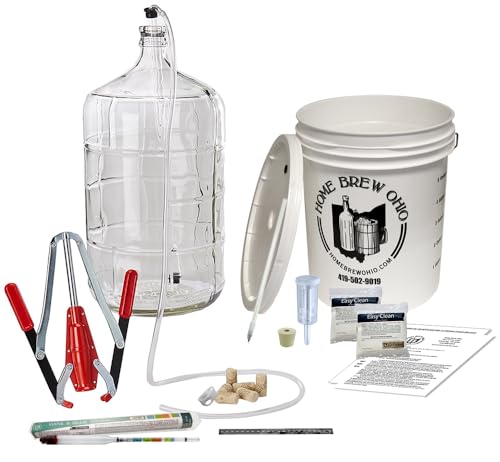
Winemakers Depot Premium Wine Making Equipment Kit
A classic home-winemaking kit that’s been around long enough to prove itself. Solid auto-syphon included. Good backup pick if the Ziliny kit is out of stock, and it works identically – buy a recipe ingredient kit or press your own grapes into the primary fermenter.
Check it on Amazon →Links go to Amazon US. As an Amazon Associate we earn a small commission if you buy, at no extra cost to you. We do not display prices or ratings here because Amazon updates those in real time — click through to see the current price and reviews.
Frequently asked questions
What is the best wine making kit for beginners?
For a true beginner, a 1-gallon starter kit is the right starting point. The Craft A Brew Fruit Wine Making Kit and the Master Vintner Fresh Harvest 1-Gallon Kit are both well-regarded, include the essentials, and produce 4–5 bottles per batch — enough to learn the process without wasting a large quantity of fruit or juice.
Can I use a wine making kit with grapes I grew myself?
Yes. If you have your own grapes, choose an equipment-only kit (Group C above) rather than a complete kit with juice concentrate. Crush and press your grapes, measure the sugar with a refractometer (our Brix-to-alcohol calculator helps you interpret the reading), then ferment in a glass carboy. Cold-hardy varieties like Marquette and Frontenac work well with standard home winemaking methods.
How many pounds of grapes do I need?
Plan on roughly 2.5–3 lb (1.1–1.4 kg) of fresh grapes per 750 ml bottle. For a 1-gallon batch (about 5 bottles), that’s about 16–20 lb (7–9 kg) once you account for juice yield and fermentation loss. For a full 6-gallon batch (about 30 bottles), budget 100–120 lb (45–54 kg) of grapes. Our pounds-to-bottle guide has the full breakdown.
What is NOT included in most wine making kits?
Wine bottles, corks, a bottle corker, and labels are almost never included. Many kits also skip Campden tablets (potassium metabisulfite) for sanitizing the must before pitching yeast, and potassium sorbate for stabilizing the finished wine before bottling. Check the kit listing carefully, and read the wine making instructions so you know what else to have on hand before you start.
How long does it take to make wine with a kit?
A 1-gallon batch typically takes about 4–6 weeks from start to a drinkable wine, including time for the wine to clear. A 6-gallon ingredient kit usually takes 4–8 weeks of active work before the wine is ready to bottle. Both benefit from additional bottle aging — most homemade grape wines taste significantly better at 6 months than at 6 weeks.
🍇 Don’t plant the wrong grape
Vines take years to fruit. Get the free cheat-sheet of varieties that actually survive and ripen in your zone.
By subscribing you agree to our Privacy Policy.