Grape Growing

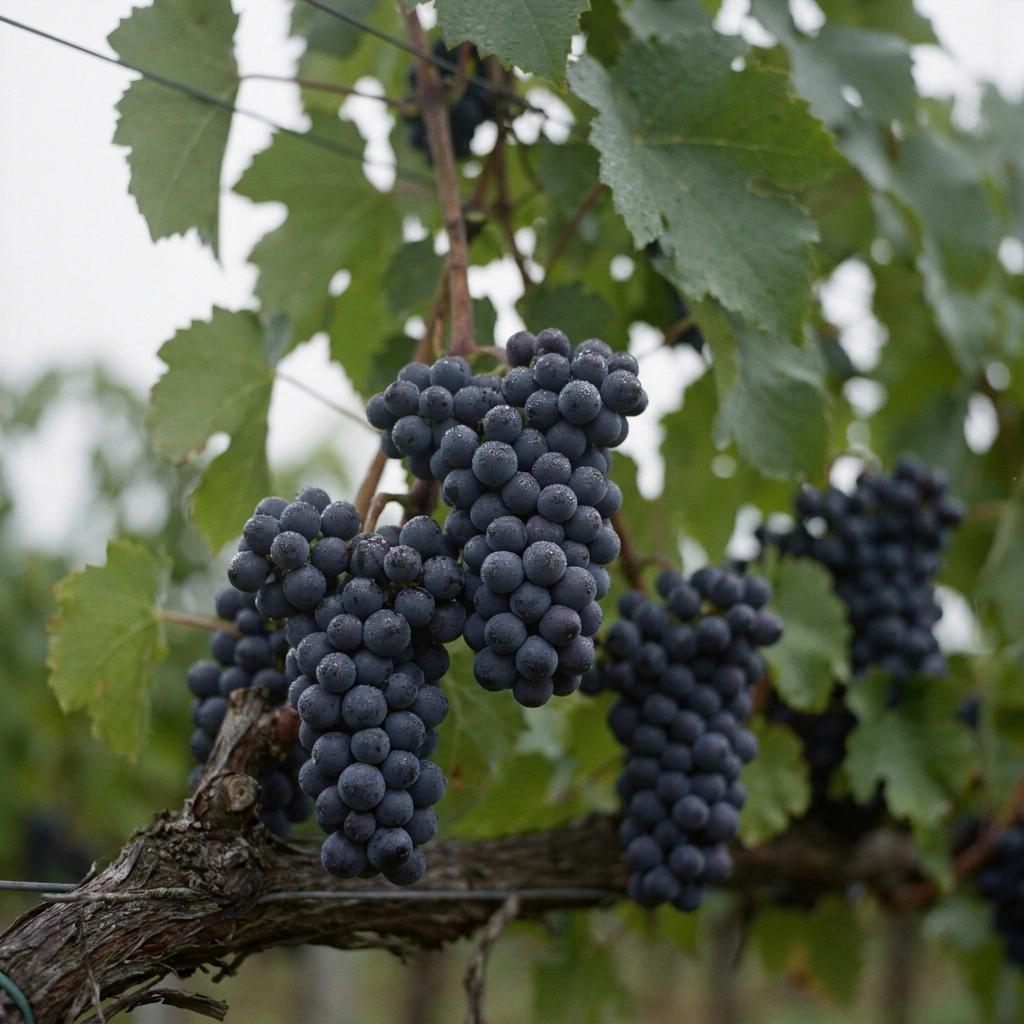
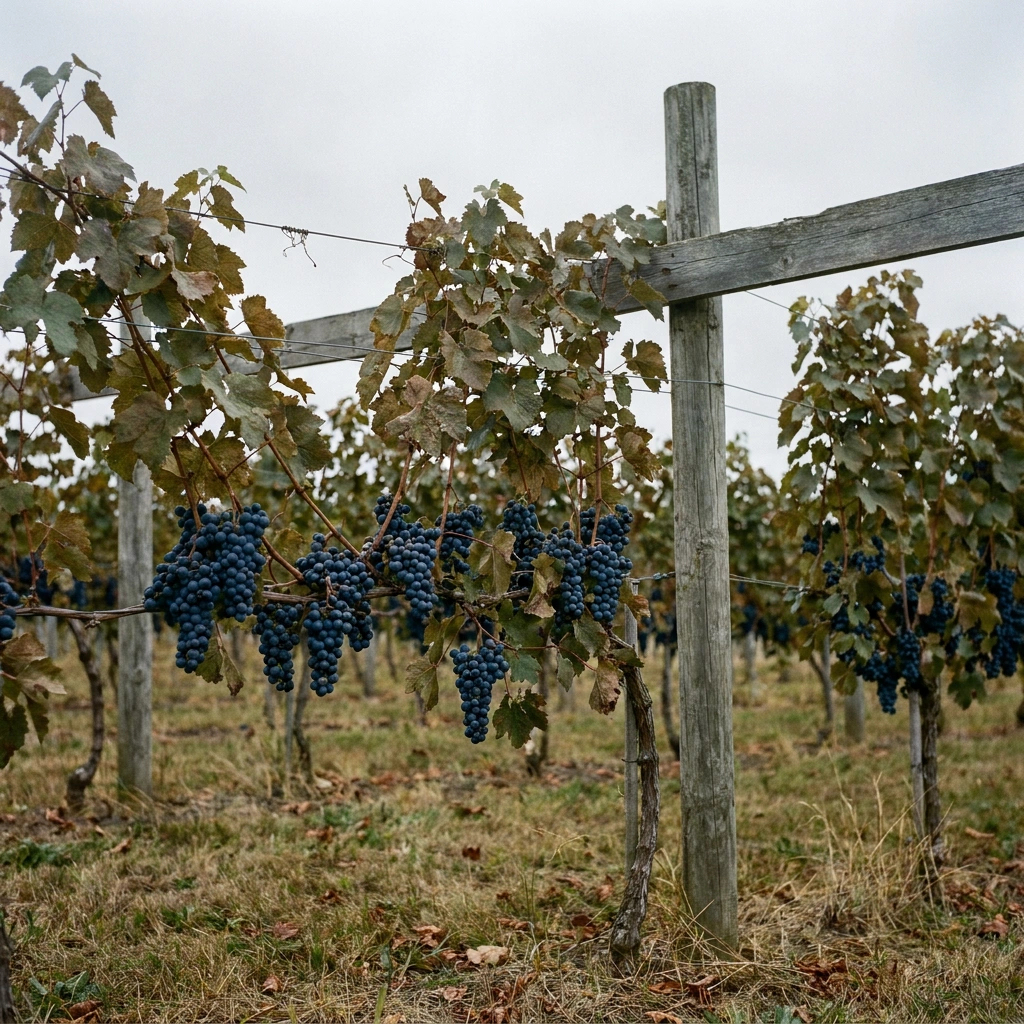
Tight dark purple Pinot Noir grape clusters hanging on the vine under overcast cool-climate sky
Grape Growing

Growing Pinot Noir Grapes: The Honest Cold-Climate Guide

Pinot Noir is famously difficult to grow anywhere – thin skin, tight clusters, spring frost risk. In cold climates (Zones 3-5), it’s marginal to unviable. Here’s the honest grower’s guide: why it’s so hard, where it actually thrives, and the cold-hardy alternatives (Marquette, Frontenac) that deliver a Pinot-like red without the heartbreak.

Growing Pinot Noir Grapes: The Honest Cold-Climate Guide Read Post »

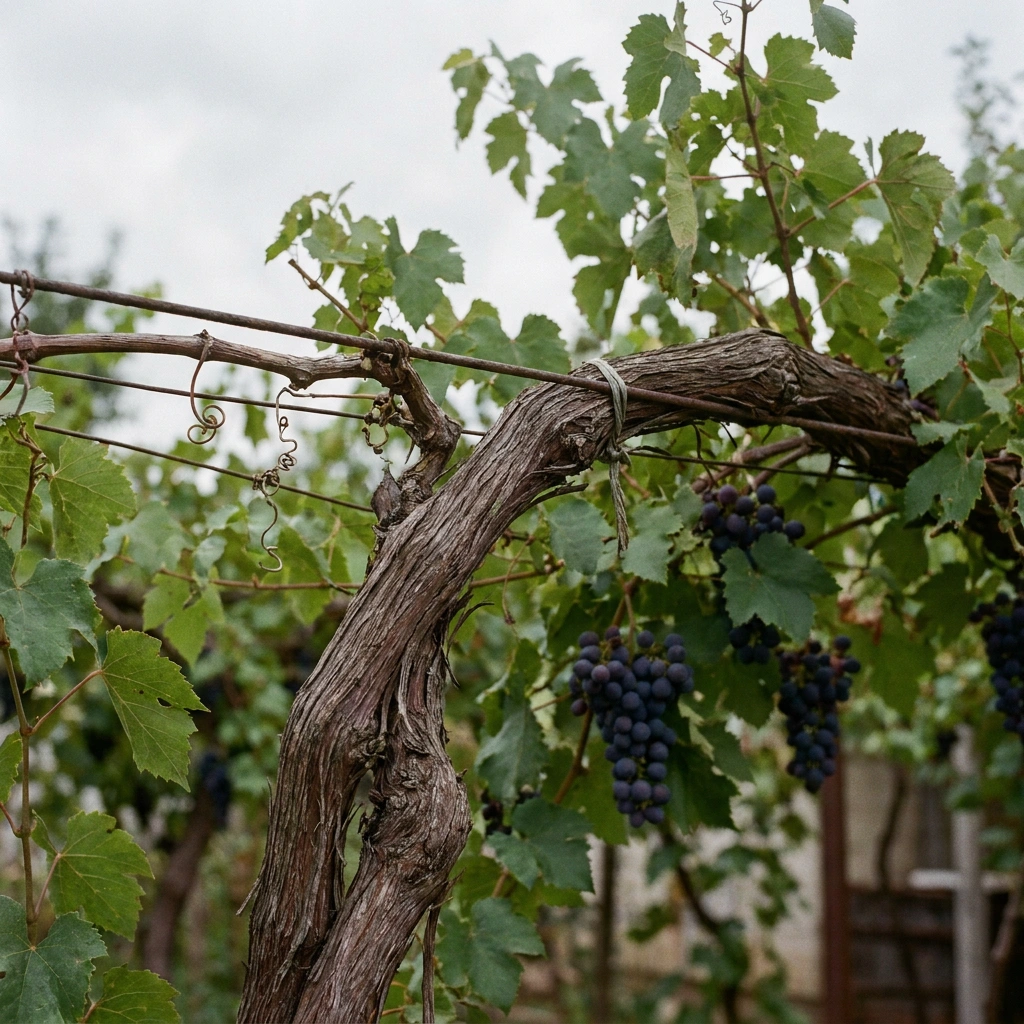
Mature grapevine trained along horizontal wire trellis with woody trunk and dark grape clusters, showing vines grow on trellises not trees
Grape Growing

Do Grapes Grow on Trees? (No — Here’s What They Actually Grow On)

No, grapes do not grow on trees. Grapes grow on woody perennial climbing vines in the genus Vitis. A grapevine uses tendrils to climb a trellis, fence, or support structure — it cannot stand upright on its own. Here’s why the confusion happens, how grapevines are actually structured, and how to support your own vines.

Do Grapes Grow on Trees? (No — Here’s What They Actually Grow On) Read Post »

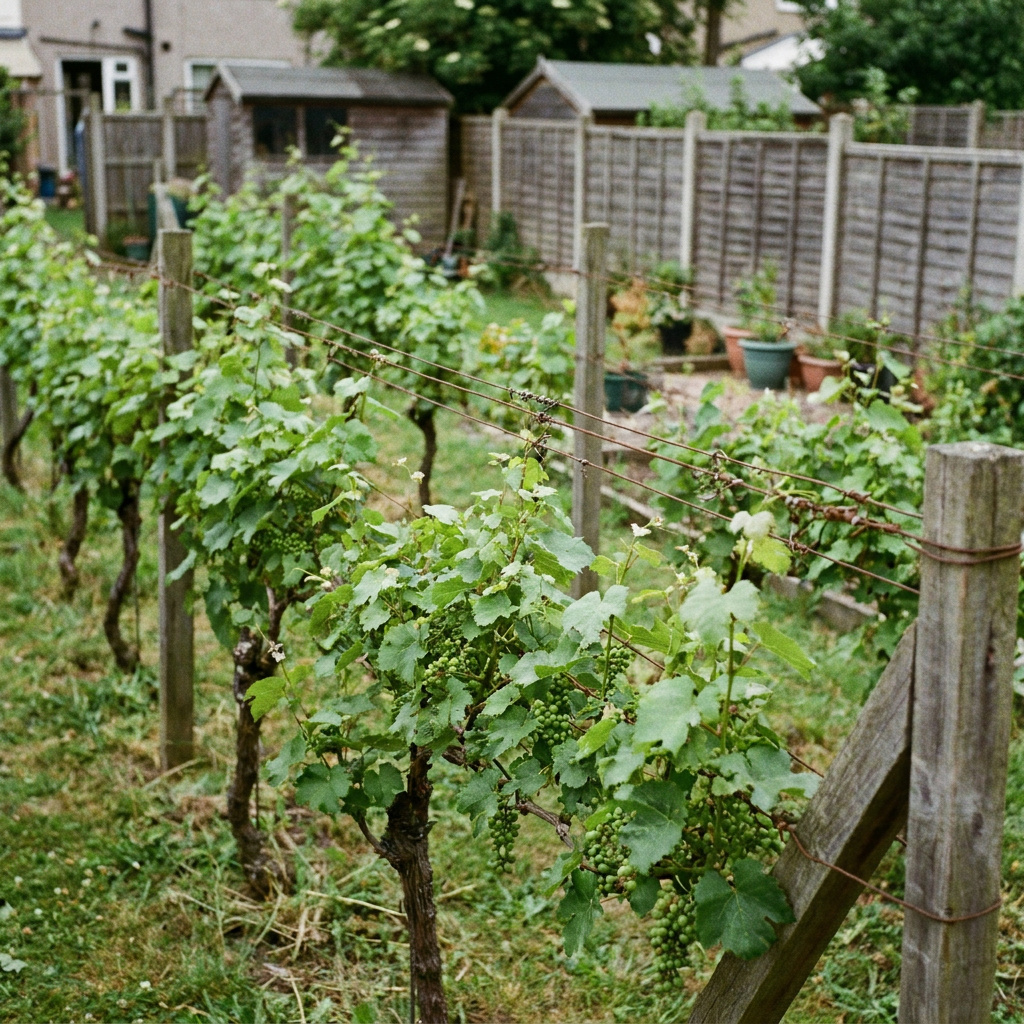
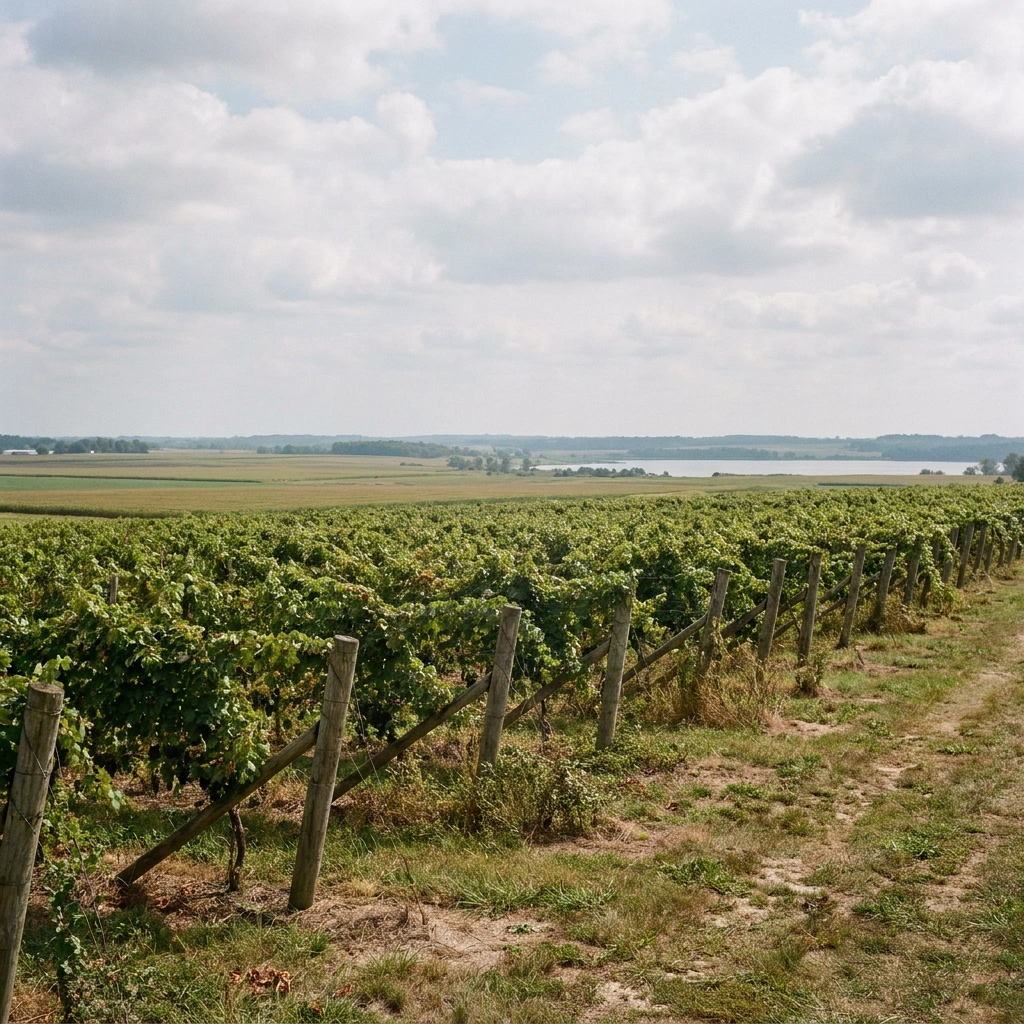
Rows of trellised grapevines in a Lake Erie region vineyard, Ohio, with the lake visible in the background under a partly cloudy sky
Grape Growing

Growing Wine Grapes in Ohio: Varieties, Zones, and the Lake Erie Advantage

Yes, you can grow wine grapes in Ohio. Cold-hardy hybrids like Marquette, Frontenac, and Vidal Blanc thrive statewide; the Lake Erie belt even supports Riesling and Cab Franc. This guide covers Ohio’s climate zones, best varieties by zone, site selection for Ohio winters and late frosts, and where to source vines.

Growing Wine Grapes in Ohio: Varieties, Zones, and the Lake Erie Advantage Read Post »

Scroll to Top