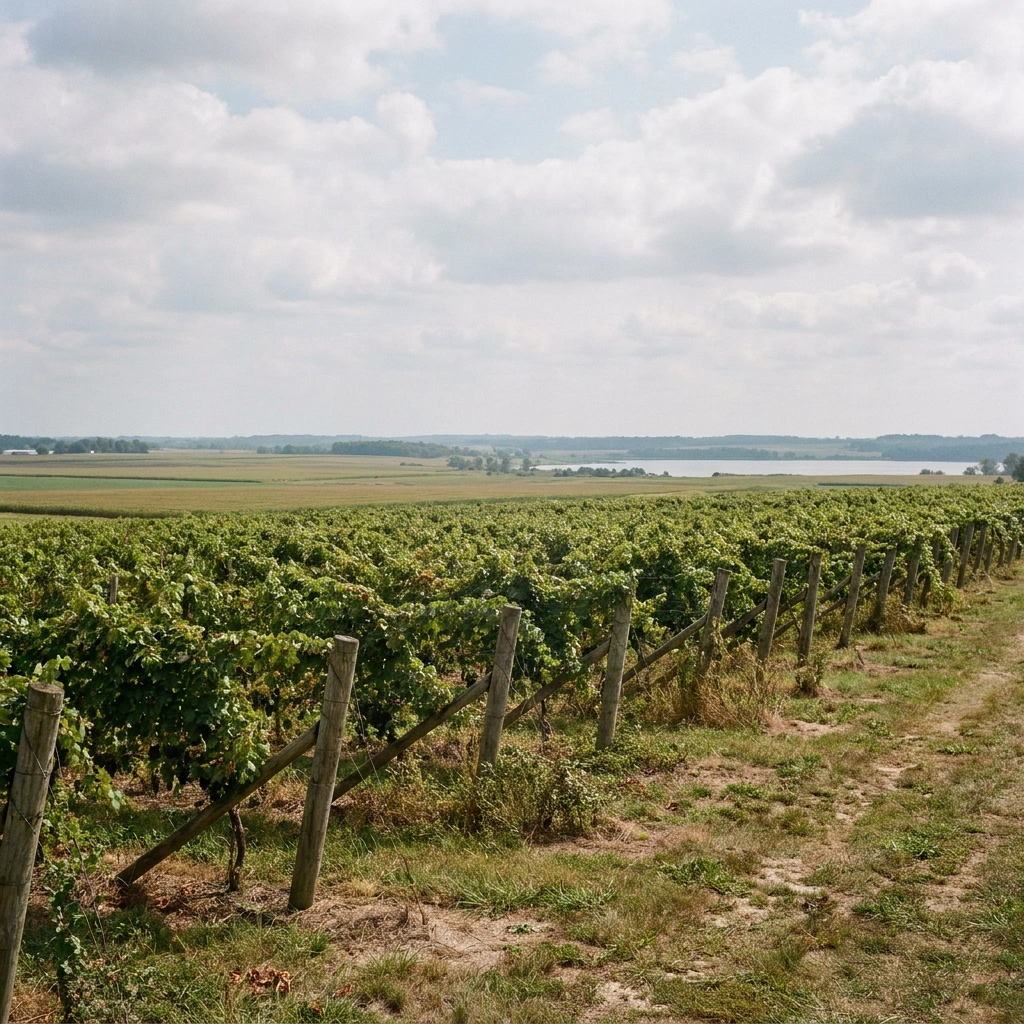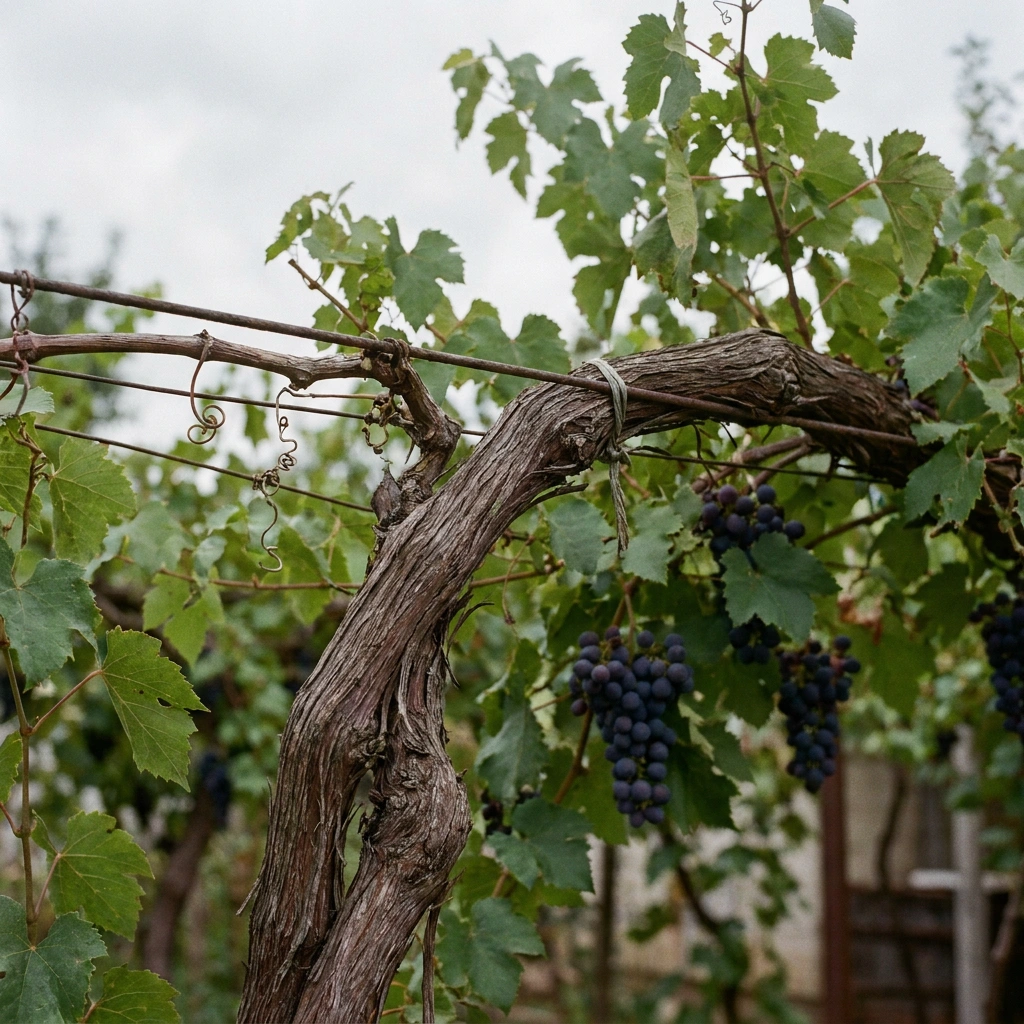
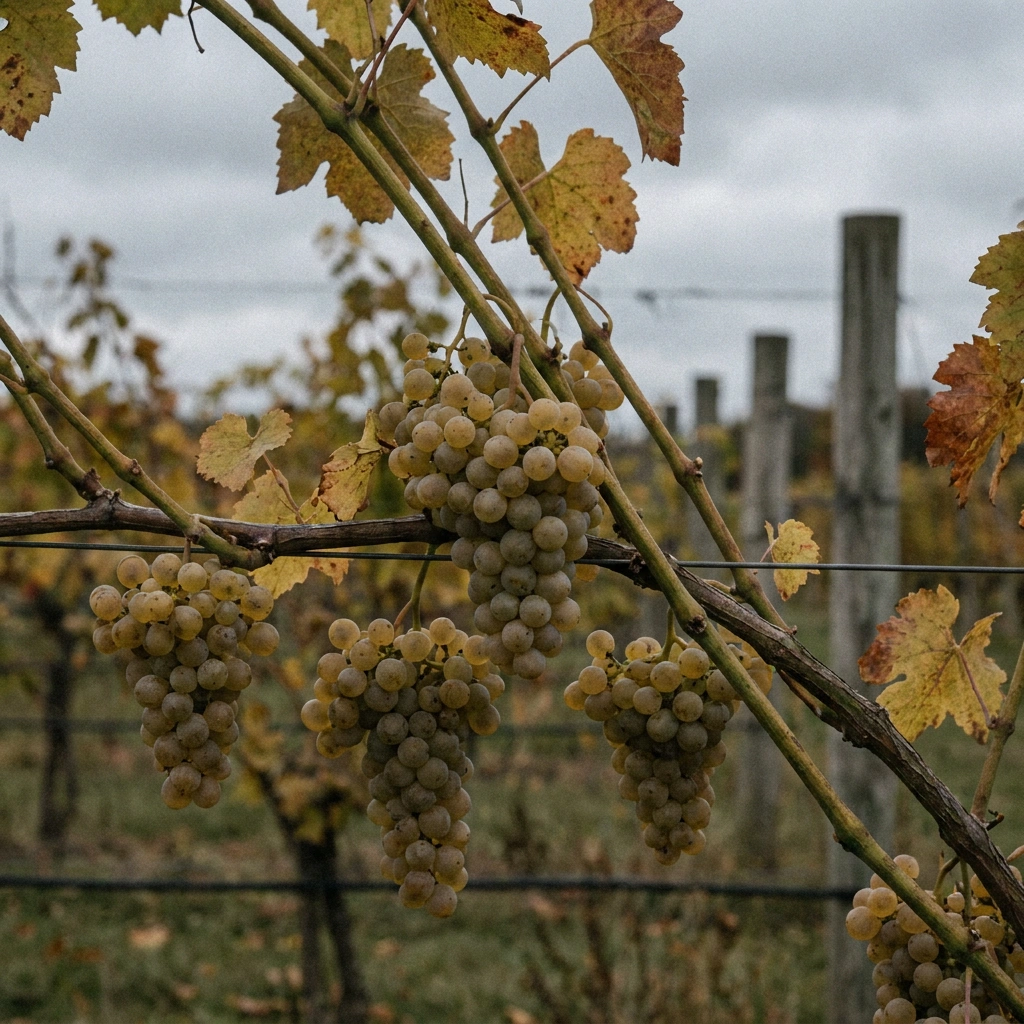
Itasca is the University of Minnesota’s newest cold-hardy white wine grape, released in 2017. If you’ve struggled to make a crisp, balanced dry white from La Crescent or Frontenac gris because of crushing acidity, Itasca is worth a serious look. It naturally produces lower acid levels than most cold-hardy whites, which means less winemaking intervention and a wine that drinks well sooner. Combine that with solid hardiness to around −30°F (−34°C) and you have one of the most promising new varieties for Zone 4 home vineyards.
Itasca at a Glance
| Characteristic | Detail |
|---|---|
| Type | White wine interspecific hybrid |
| Breeder / Release year | University of Minnesota, 2017 |
| Parentage | Frontenac gris × MN 1234 |
| Winter hardiness | ~−30°F (−34°C) — USDA Zone 4 |
| Ripening season | Early to mid-season (mid-September in Zone 4) |
| Typical Brix at harvest | 22–26° Brix |
| Acidity | Lower than La Crescent — its key selling point for winemakers |
| Best use | Dry to off-dry white table wine |
| Disease resistance | Good resistance to powdery mildew and phylloxera; downy mildew is not characterized as a particular strength — keep a normal spray program |
| Vine spacing | 6–8 ft (1.8–2.4 m) in-row; 9–10 ft (2.7–3 m) row spacing |
Growing Itasca: Site, Soil, and Planting
Itasca performs best on a site with good air drainage — cold air pooling at the bottom of a slope is your biggest enemy in Zone 4. A south- or southeast-facing slope with full sun (at least 6–8 hours daily) will push ripening earlier and reduce frost risk. Avoid low spots and areas surrounded by dense windbreaks that trap cold air in spring.
Soil preparation matters more than most people think. Itasca prefers well-drained loam or sandy loam with a pH of 5.5–6.5. Heavy clay soils are a problem: they stay cold longer in spring and can encourage root diseases. If you’re working with clay, either raised beds or deep tillage with organic matter amendment before planting will pay dividends for the life of the vine — which can be 20 or more years. For detailed prep steps, see our guide on how to prepare your soil and plant a grape vine.
Plant bare-root vines in spring after the last hard freeze risk has passed, typically late April to mid-May in Zone 4. Set the graft union (if applicable) just above soil level. Water in well and mulch around the base. First-year vines need consistent moisture — not waterlogging, but never bone dry. The focus in year one is root establishment, not fruit. Remove any flower clusters that form so the vine puts energy into structure.
Training and Pruning Itasca
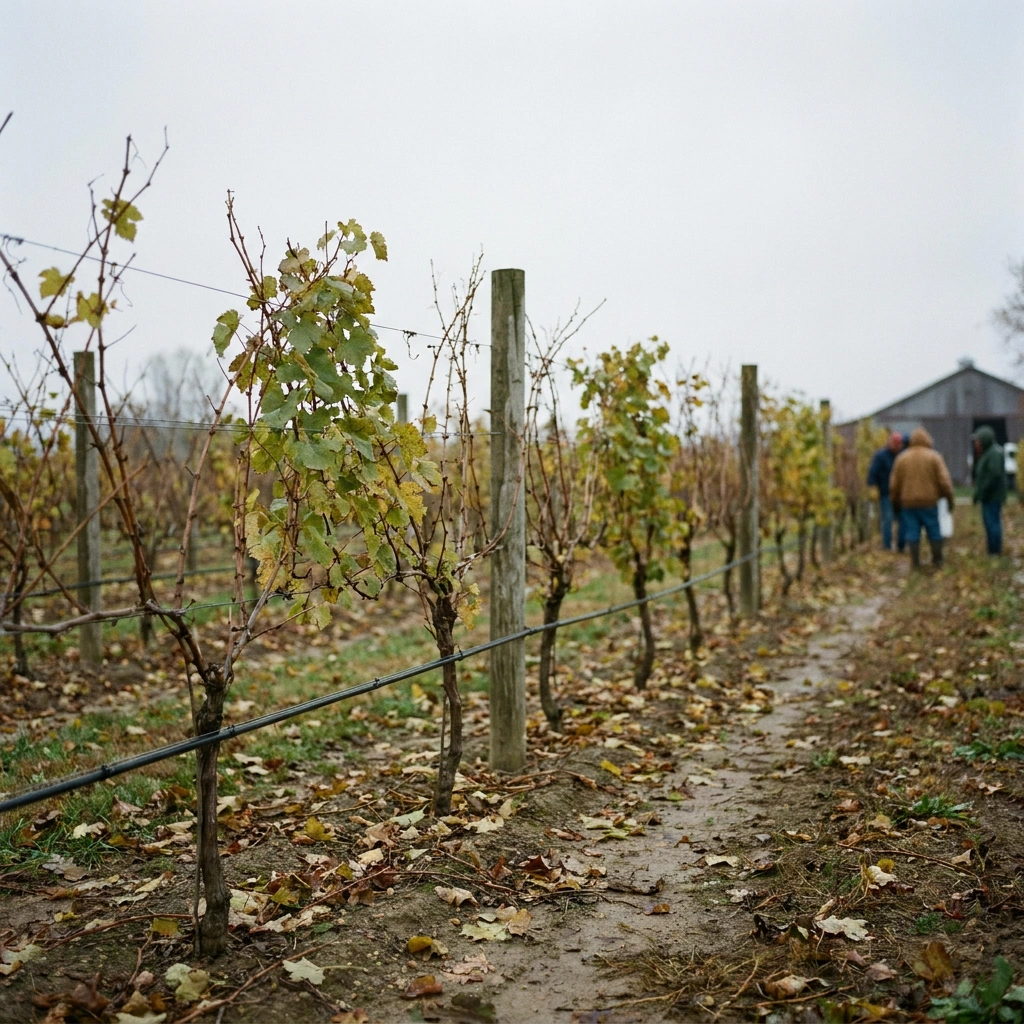
Itasca adapts well to the standard cold-climate training systems: bilateral cordon (two permanent arms along a single wire) or Vertical Shoot Positioning (VSP). For Zone 4 home vineyards, a single-wire bilateral cordon at 30–36 inches (75–90 cm) is popular because it’s easier to lay canes down for winter protection if needed.
Prune in late winter, typically March in Zone 4, while vines are still fully dormant. Itasca is spur-pruned: retain 2-bud spurs spaced 6–8 inches (15–20 cm) apart along the cordon. Remove all the previous year’s growth back to the retained spurs. The goal is controlled, moderate crop load — overcropped vines will under-ripen. If you see clusters forming densely, thin to one cluster per shoot after fruit set.
For spacing, plant vines 6–8 ft (1.8–2.4 m) apart within the row and allow 9–10 ft (2.7–3 m) between rows for equipment or comfortable walking access. Our grape vine spacing guide covers how density affects fruit quality and yield in home-scale plantings.
Winter Care in Cold Climates
Itasca’s bud hardiness is rated around −30°F (−34°C), which means established vines should survive unaided in most Zone 4 winters. However, it’s wise not to take “hardy” ratings at face value without some precautions in the first two or three years while vines are still establishing deep root systems.
For young vines (year 1–2), a light mound of mulch around the base helps moderate soil temperature swings. Once vines are established and trained on their permanent cordon, no additional protection is typically needed in Zone 4 — this is Itasca’s advantage over varieties like Riesling or Chardonnay that require full cane burial in colder zones. If you’re in Zone 3 or an unusually cold Zone 4 microclimate, consider burying canes the first winter as a precaution.
The bigger cold-climate risk is often late spring frosts hitting after bud break. Itasca’s early-to-mid ripening season means buds tend to open in early May, right in the window of frost risk. Site selection on a slope with good cold-air drainage is your first line of defense. For borderline sites, our grape ripening calculator can help you assess whether your growing season heat units are sufficient.
Harvest and Winemaking: The Acidity Advantage
This is where Itasca really distinguishes itself. Harvest typically falls in mid-September in Zone 4, making it a reliable ripener well ahead of the first frost. The variety accumulates high sugar — Brix readings of 22–26° are common at maturity — but unlike La Crescent (which can hit jaw-dropping TA levels requiring aggressive deacidification), Itasca’s titratable acidity is significantly lower.
In practical terms: with La Crescent, you’re often adding calcium carbonate or Acidex to knock back acidity before fermentation, and the resulting wine can still feel tart. With Itasca, many home winemakers can produce a naturally balanced dry white without any acid correction at all, or with only minor adjustments. The flavor profile leans toward ripe pear, apricot, melon, and honey, with a clean mineral finish — genuinely elegant for a cold-hardy grape.
For dry white wine, target harvest at 22–24° Brix (use a refractometer and check over several days as the number stabilizes). Taste the berries: seeds should be brown, skins slightly softened, and the flavor should have that ripe peachy-apricot quality rather than sharp green notes. Use our Brix-to-alcohol calculator to estimate potential alcohol and plan your chaptalization if needed.
Process Itasca like a typical white: crush and press immediately (no skin contact needed for a clean style), cold-settle the juice 24 hours, then rack to a clean fermenter. Ferment cool (55–65°F / 13–18°C) with a neutral or fruity white wine yeast. The lower natural acidity means you don’t need to fight the wine — it should finish clean and approachable within a few months. For a full step-by-step, see our home winemaking guide.
Our Pick: Itasca Grape Vines
Finding Itasca is still easier than it was a few years ago as UMN-licensed propagators expand production. Search for Itasca grape vines on Amazon to see current availability from sellers there. For the widest selection of cold-hardy UMN varieties, also check a reputable cold-climate specialty nursery — some growers report finding Itasca through nurseries on the UMN licensed-propagator list at license.umn.edu.
Where to Buy Itasca Grape Vines
Itasca is a newer release, so availability is still expanding. As of 2026, your best bet is:
- Amazon marketplace: Search “Itasca grape vine” on Amazon to check current availability from growers listing there.
- UMN licensed propagators: The University of Minnesota maintains a list of licensed nurseries authorized to propagate and sell Itasca. Check license.umn.edu for the current list — these are the most reliable source of true-to-name vines.
- Cold-climate specialty nurseries: Nurseries that focus on northern-hardy fruit plants often stock UMN releases before mainstream garden centers do. Search for nurseries serving USDA Zone 3–4 regions.
One note on timing: bare-root vines ship in spring (typically March–April), so order in January or February to avoid stock selling out.
How Itasca Compares to Other Cold-Hardy Whites
The most important comparison is with La Crescent — the other flagship cold-hardy white from UMN. La Crescent is an excellent grape, but its high natural acidity is well-documented: winemakers in cold climates regularly report needing to deacidify significantly. The wine can be stunning when well-made, but it demands winemaking attention.
Itasca shifts the balance. The lower acidity means fewer interventions and a more approachable learning curve for home winemakers. If La Crescent is the high-wire act of cold-hardy whites, Itasca is the reliable workhorse that produces a clean, pleasant dry white reliably year after year. For a full picture of the variety landscape, see our guide to cold-hardy grape varieties.
The Frontenac gris parentage also shows in Itasca’s hardiness inheritance. Frontenac gris is famously durable in Zone 3–4 conditions, and Itasca inherits much of that cold tolerance while correcting some of Frontenac gris’s winemaking challenges (which include high acidity and relatively neutral aromatics). The MN 1234 parent contributes the improved flavor complexity — those pear and apricot notes that make Itasca a notch above earlier cold-hardy whites.
Frequently Asked Questions
How cold-hardy is the Itasca grape?
Itasca is rated hardy to approximately −30°F (−34°C) at the bud, placing it solidly in USDA Hardiness Zone 4. This makes it one of the hardier white wine grapes available. Established vines should survive most Zone 4 winters without burial or additional protection, though young vines (year 1–2) benefit from base mulching.
What does Itasca wine taste like?
Itasca produces a dry white wine with aromas of ripe pear, apricot, melon, and honey, with a mineral note on the finish. Compared to La Crescent, it tends to be rounder and less tart, which makes it more approachable as a table wine without extensive cellar manipulation.
Is Itasca better than La Crescent for home winemakers?
For home winemakers who want a simpler path to a balanced dry white, yes — Itasca’s lower natural acidity means less deacidification work. La Crescent can produce a more intense, complex wine but requires more acid management. Many cold-climate home vineyards grow both: La Crescent for its distinctive high-acid style, Itasca for a more food-friendly everyday dry white.
When does Itasca ripen?
Itasca ripens early to mid-season, typically mid-September in USDA Zone 4. It generally reaches 22–26° Brix by that point. This reliable ripening window is a significant advantage in short-season northern climates.
Who developed Itasca and when was it released?
Itasca was developed by the University of Minnesota’s grape breeding program and officially released to the public in 2017, making it the program’s most recent cold-hardy white release as of 2026. Its parentage is Frontenac gris × MN 1234. The UMN program has a long track record of producing cold-climate varieties including Marquette, Frontenac, La Crescent, and Petite Pearl.
🍇 Don’t plant the wrong grape
Vines take years to fruit. Get the free cheat-sheet of varieties that actually survive and ripen in your zone.
By subscribing you agree to our Privacy Policy.