Author name: GrapeGrowingGuide Editors

The GrapeGrowingGuide editors research and write practical, source-backed guides to growing grapes and making wine at home, built on university extension and grape-breeding research. We're editors, not a commercial vineyard: every guide links its sources so you can check them.

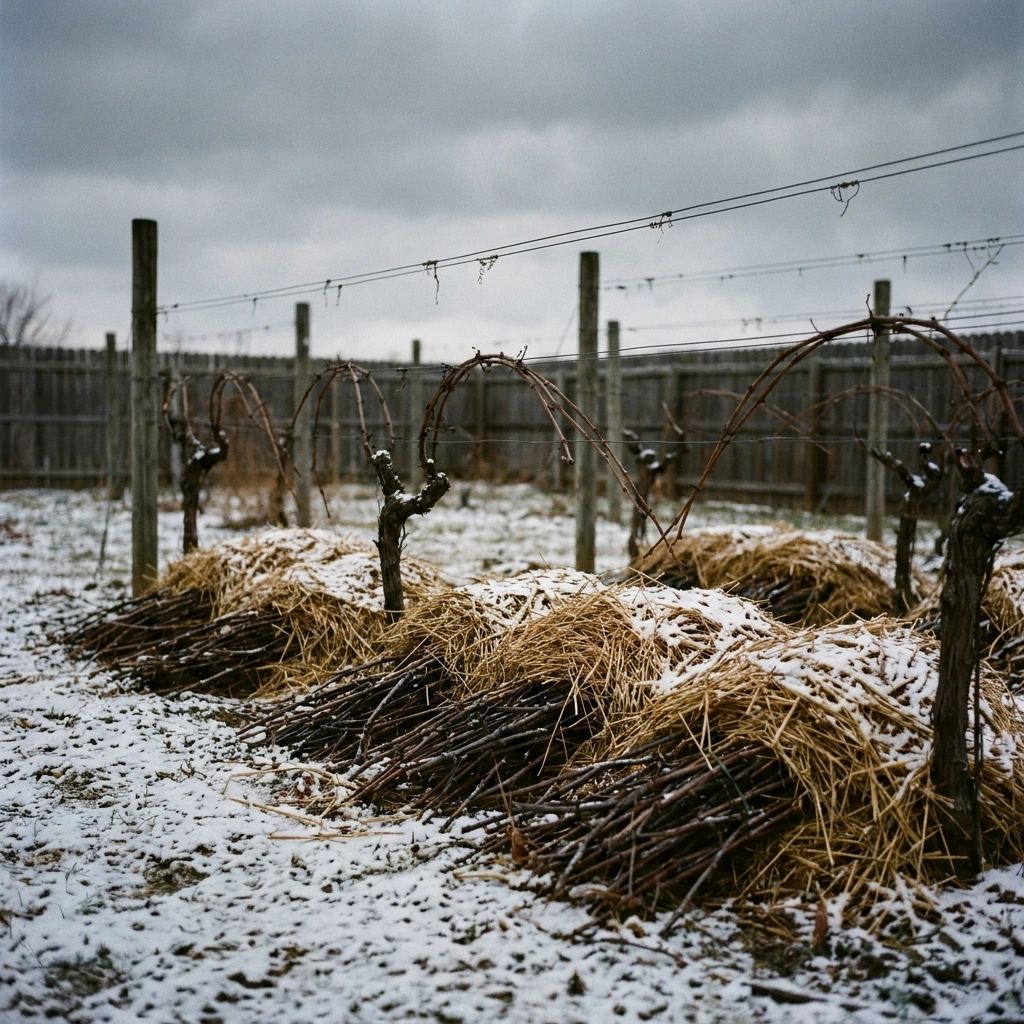
Dormant grape vines with straw mulch mounds under light snow in a cold-climate backyard vineyard in winter
Grape Growing

Winterizing Grape Vines: How to Protect Vines in a Cold Climate

Winterizing grape vines depends on what you’re growing. Cold-hardy hybrids like Frontenac and Marquette survive unprotected in Zone 3-5. Tender vinifera and half-hardy hybrids need root mulching, cane burial, or geotextile fabric. This guide covers every method, when to apply protection, when to remove it, and the fall mistakes that undermine cold hardiness – drawing on UMN and Cornell extension research.

Winterizing Grape Vines: How to Protect Vines in a Cold Climate Read Post »
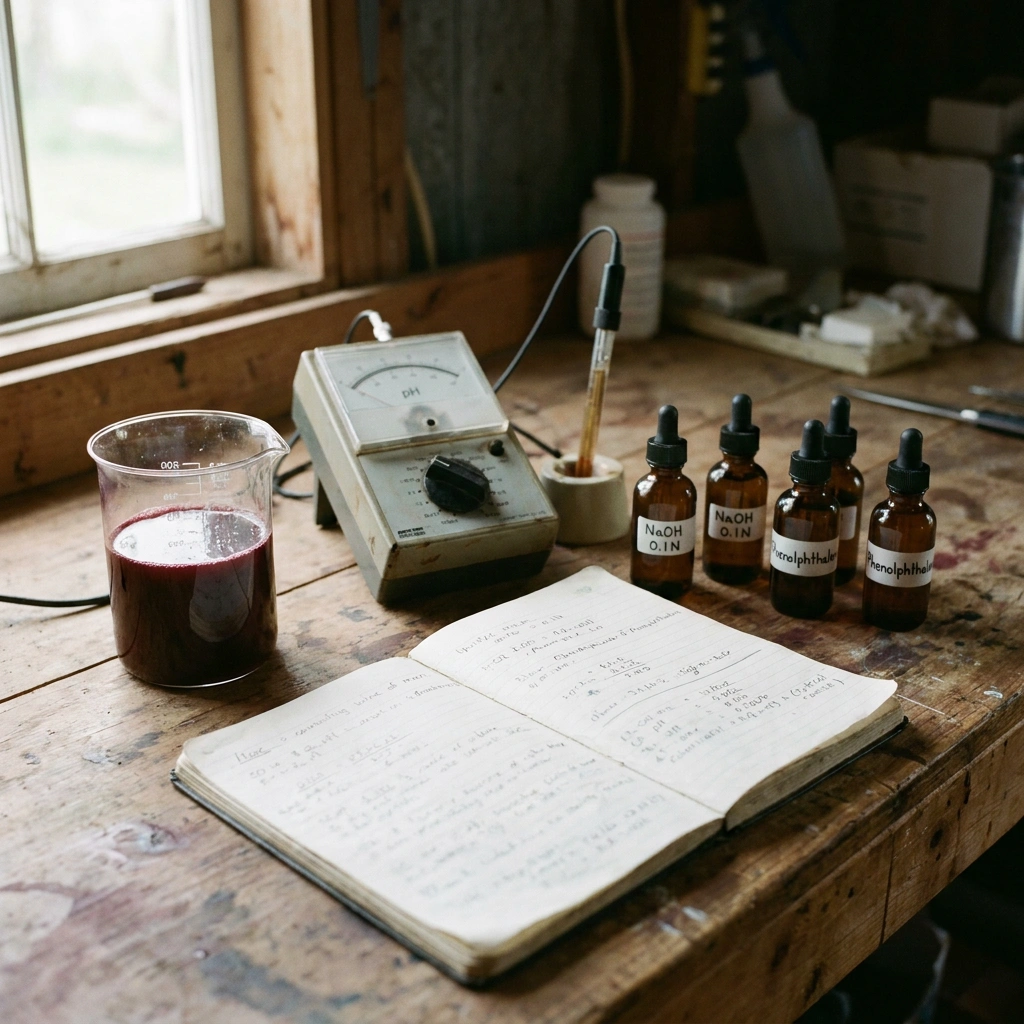
Home winemaker acid testing setup: beaker of dark red must, analog pH meter, titration reagent bottles, and handwritten notebook on a rustic workbench
Grape Growing

Taming High Acidity in Cold-Climate Grapes: MLF and Deacidification

Cold-hardy hybrids like Frontenac, La Crescent, and Marquette often arrive at harvest with TA of 9-16 g/L, depending on variety – the defining winemaking challenge for northern home vintners. Learn how malolactic fermentation, chemical deacidification, cold stabilization, and blending work together to bring these wines into balance.

Taming High Acidity in Cold-Climate Grapes: MLF and Deacidification Read Post »

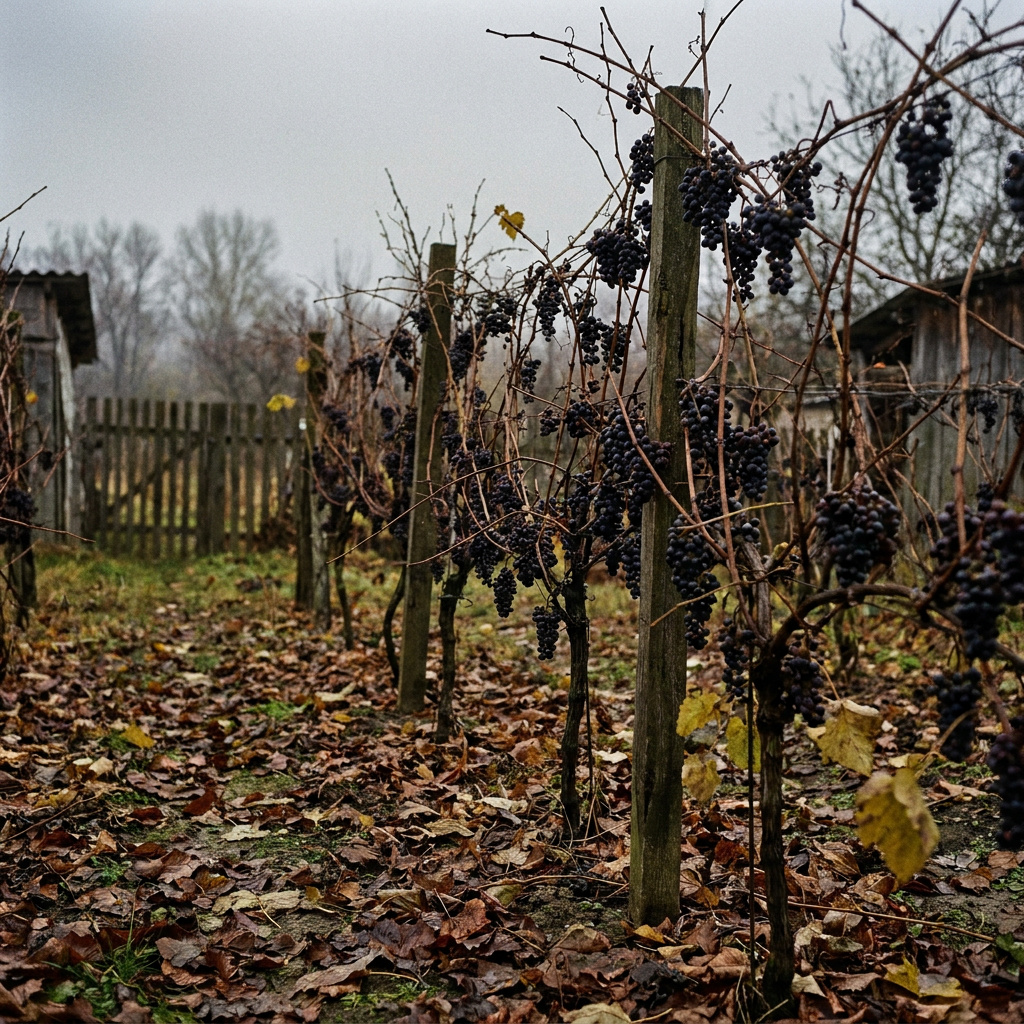
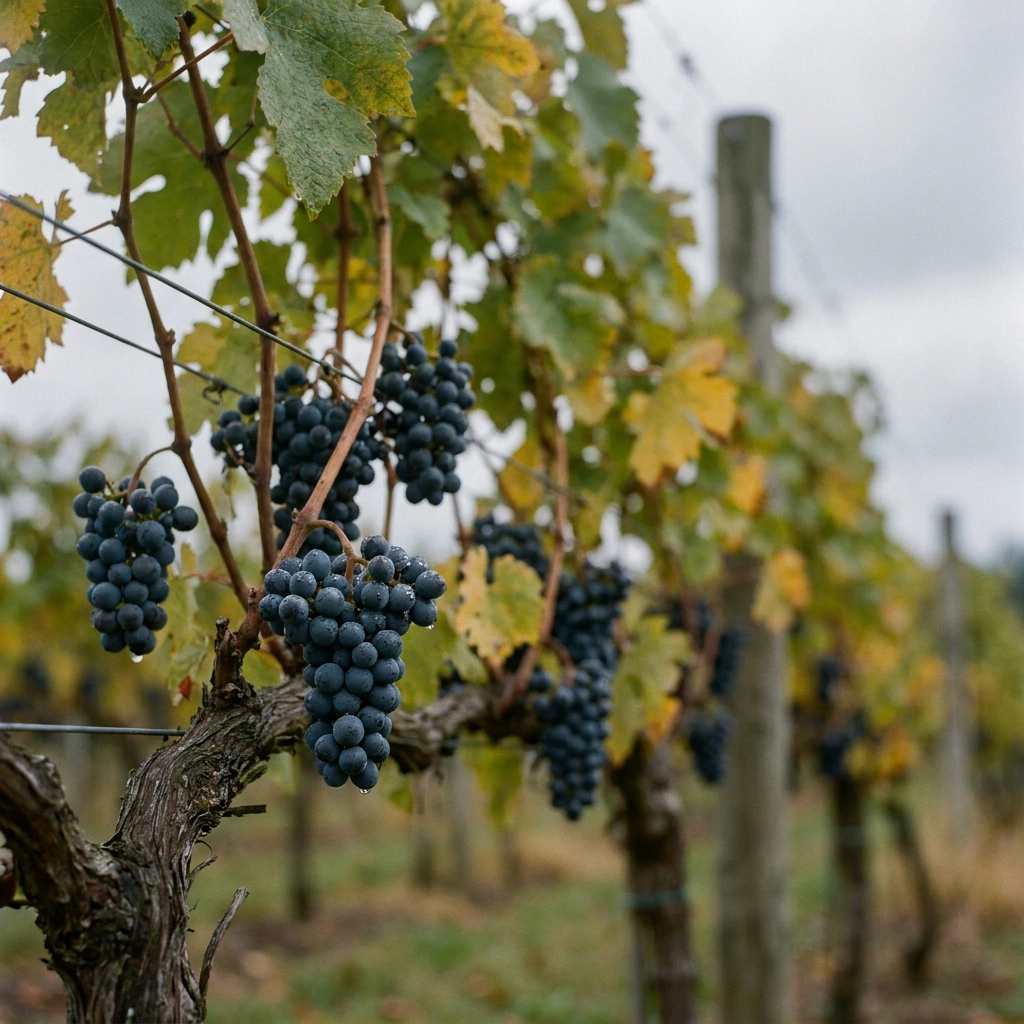
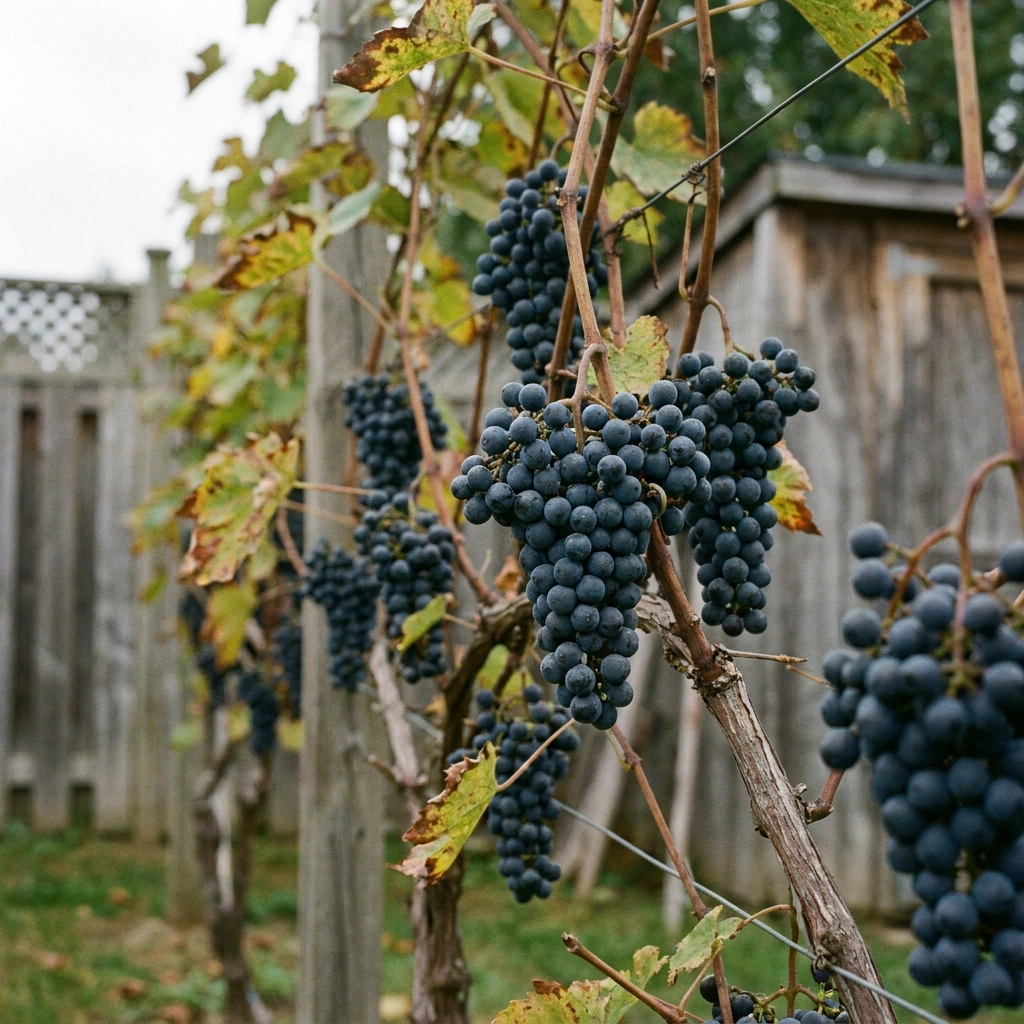
Late-season backyard vineyard with dark cold-hardy grape clusters hanging on wooden trellis posts, overcast autumn sky
Grape Growing

The Best Grape Varieties for Zone 4: Cold-Hardy Picks for Wine, Juice and Table

Wondering which grapes actually survive Zone 4 winters? This guide rounds up the proven cold-hardy varieties – Marquette, Frontenac, La Crescent, Valiant and more – grouped by use, with honest notes on which popular grapes are really Zone 5 picks that struggle without protection.

The Best Grape Varieties for Zone 4: Cold-Hardy Picks for Wine, Juice and Table Read Post »

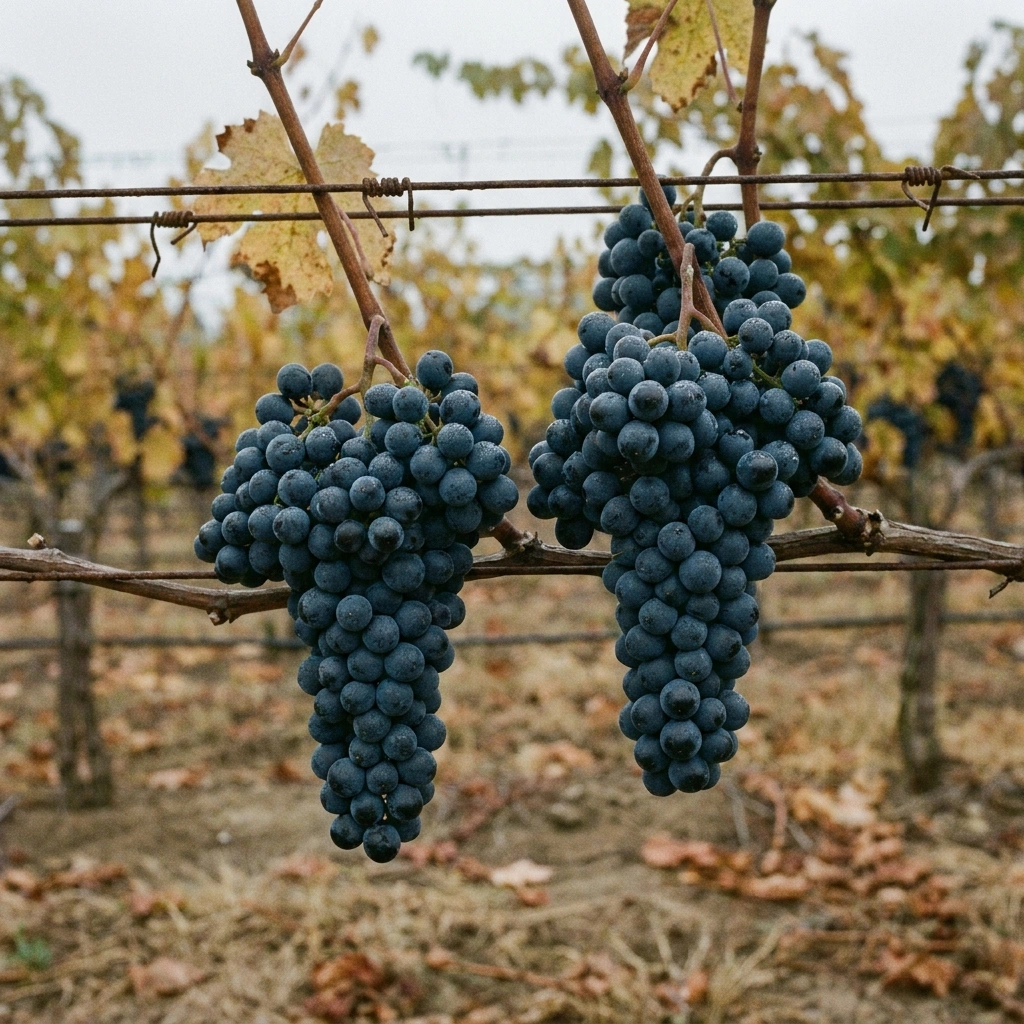
Two clusters of dark blue-black cold-hardy wine grapes side by side on a vineyard trellis in autumn - Marquette and Frontenac comparison
Grape Growing

Marquette vs Frontenac: Which Cold-Hardy Red Wine Grape Should You Grow?

Marquette and Frontenac are the two flagship cold-hardy red wine grapes from the University of Minnesota. Both survive brutal northern winters, but they differ in hardiness zone, acidity, and wine style. Here is a side-by-side comparison to help you decide which one belongs in your vineyard.

Marquette vs Frontenac: Which Cold-Hardy Red Wine Grape Should You Grow? Read Post »

Petite Pearl grape clusters on a vine in a cold-climate vineyard during autumn, showing the dark blue-black berries characteristic of this ultra-hardy red wine hybrid.
Grape Growing

Petite Pearl Grape: Growing the Ultra-Hardy Red Wine Variety

Petite Pearl is an ultra-cold-hardy red wine grape (USDA Zone 4, -30°F/-34°C) bred by independent Minnesota breeder Tom Plocher. Unlike most cold-hardy reds, it produces moderate-acid juice with genuine tannin structure – making a serious, age-worthy dry red wine. Here is everything you need to grow it.

Petite Pearl Grape: Growing the Ultra-Hardy Red Wine Variety Read Post »

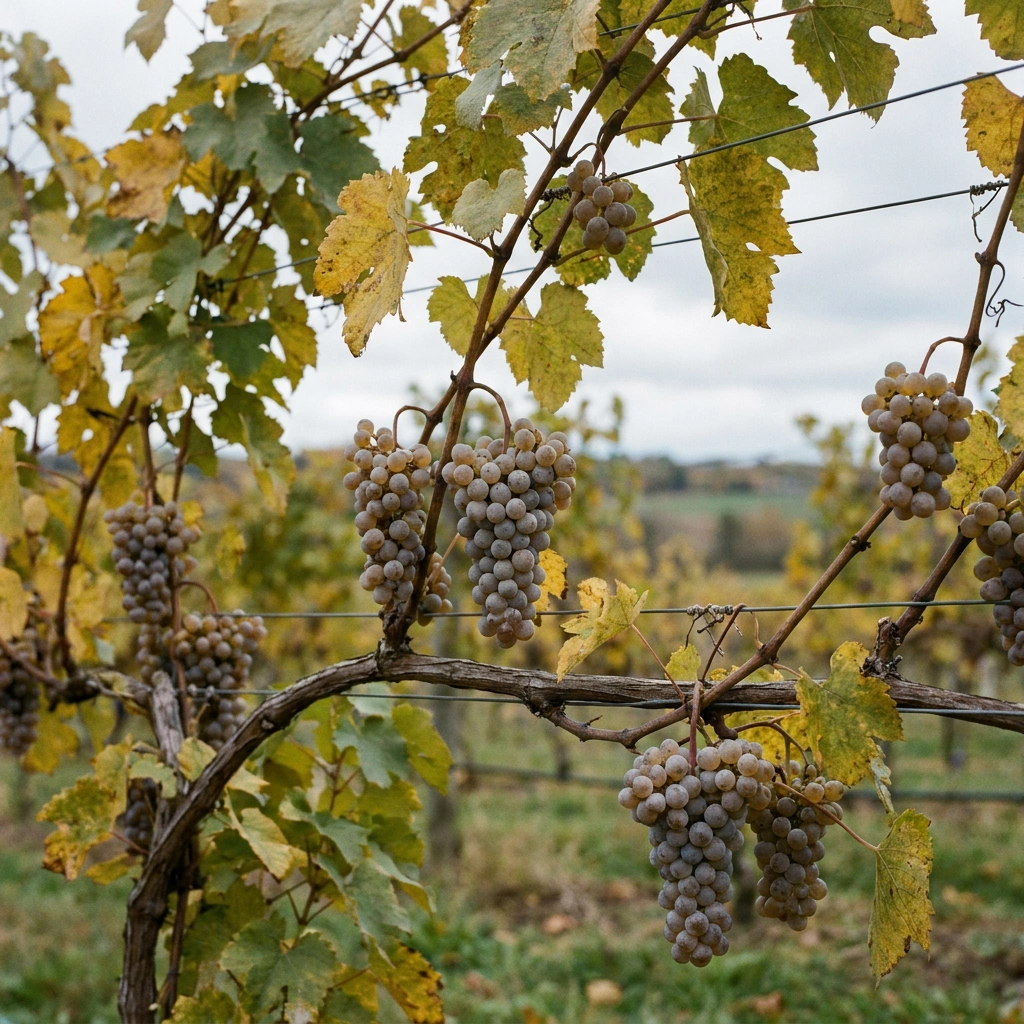
Frontenac Gris grape clusters with pale gray-amber fruit hanging on trellis wire in autumn, cold-climate vineyard
Grape Growing

Frontenac Gris Grape: Growing the Cold-Hardy Aromatic White

Frontenac Gris is a cold-hardy aromatic white grape hybrid rated to -35°F (-37°C), released by the University of Minnesota in 2003 as a bud-sport color mutation of Frontenac. Grow it in USDA Zone 3 and warmer for fragrant peach-apricot off-dry whites and dessert wines – with the same bulletproof vine management as its red parent.

Frontenac Gris Grape: Growing the Cold-Hardy Aromatic White Read Post »

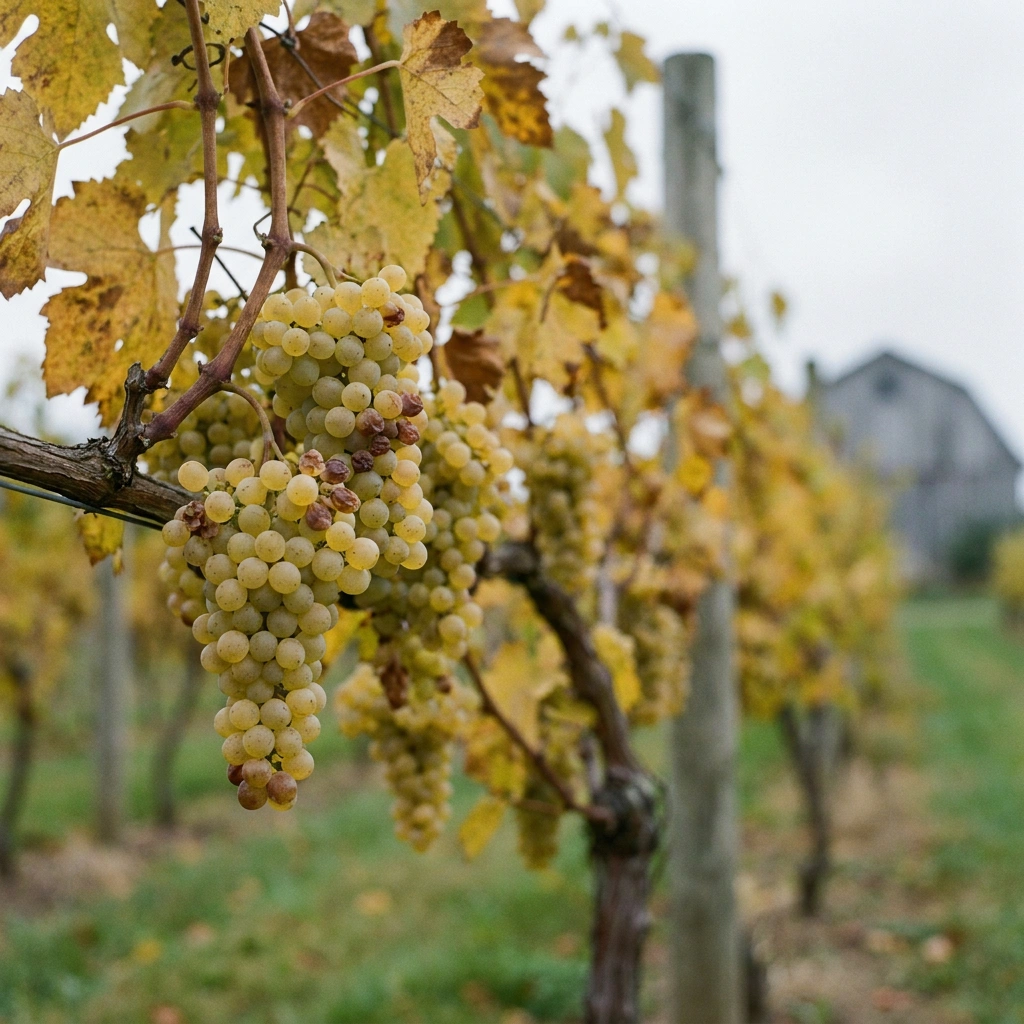
Itasca grape clusters ripening on a cold-climate trellis in early autumn, pale green-gold color
Grape Growing

Itasca Grape: Minnesota’s Cold-Hardy Low-Acid White

Itasca is the University of Minnesota’s newest cold-hardy white wine grape (released 2017), rated hardy to −30°F (−34°C). Its key advantage over La Crescent: lower natural acidity that makes a crisp, balanced dry white without heavy acid correction. Ripens early to mid-season with pear, apricot, and melon aromatics.

Itasca Grape: Minnesota’s Cold-Hardy Low-Acid White Read Post »

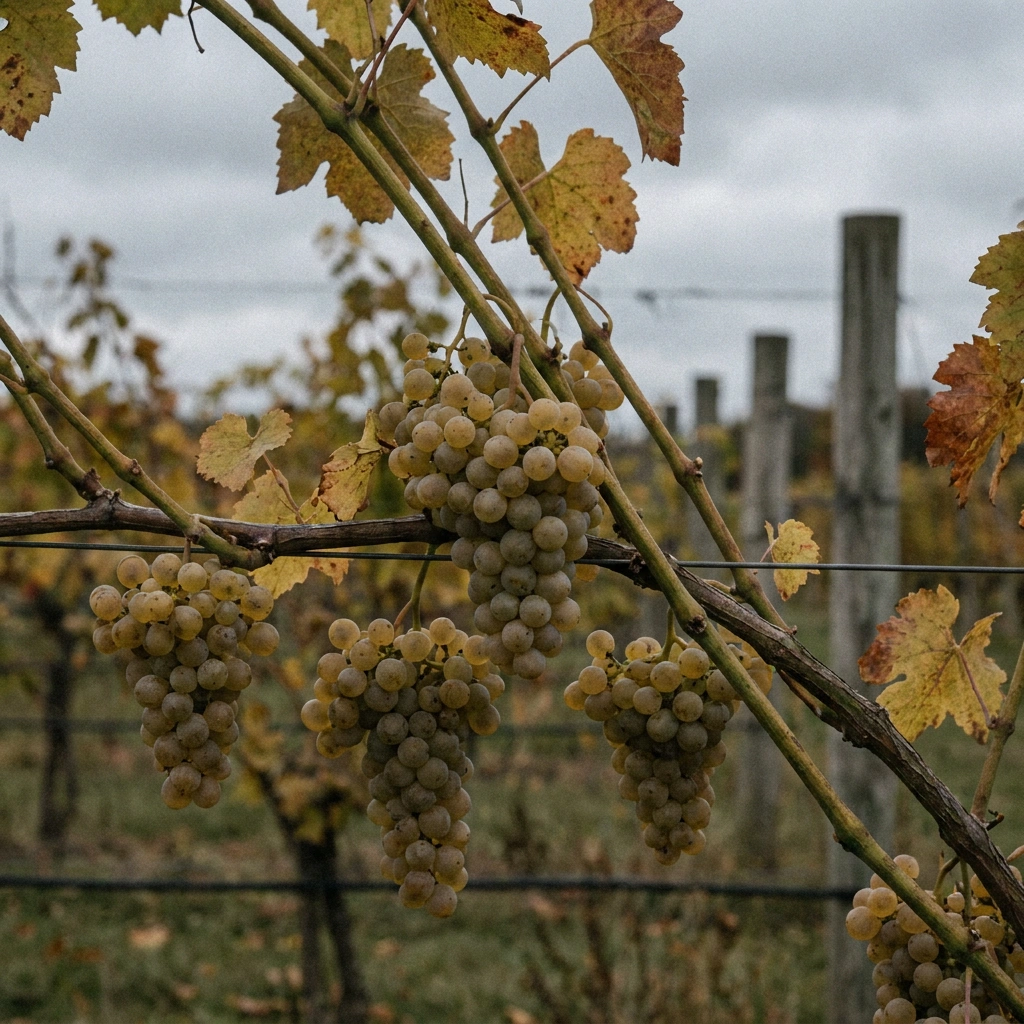
La Crescent grape clusters on a trellised vine in a cool-climate vineyard during early autumn harvest
Grape Growing

La Crescent Grape: Growing the Cold-Hardy Aromatic White

La Crescent is a cold-hardy white wine hybrid from the University of Minnesota (2002) that survives to around −35°F (−37°C). With intensely aromatic flavors of apricot, citrus, and honey, it produces outstanding off-dry and dessert-style whites in Zones 3–5. Here’s everything you need to know to grow it successfully.

La Crescent Grape: Growing the Cold-Hardy Aromatic White Read Post »

Scroll to Top