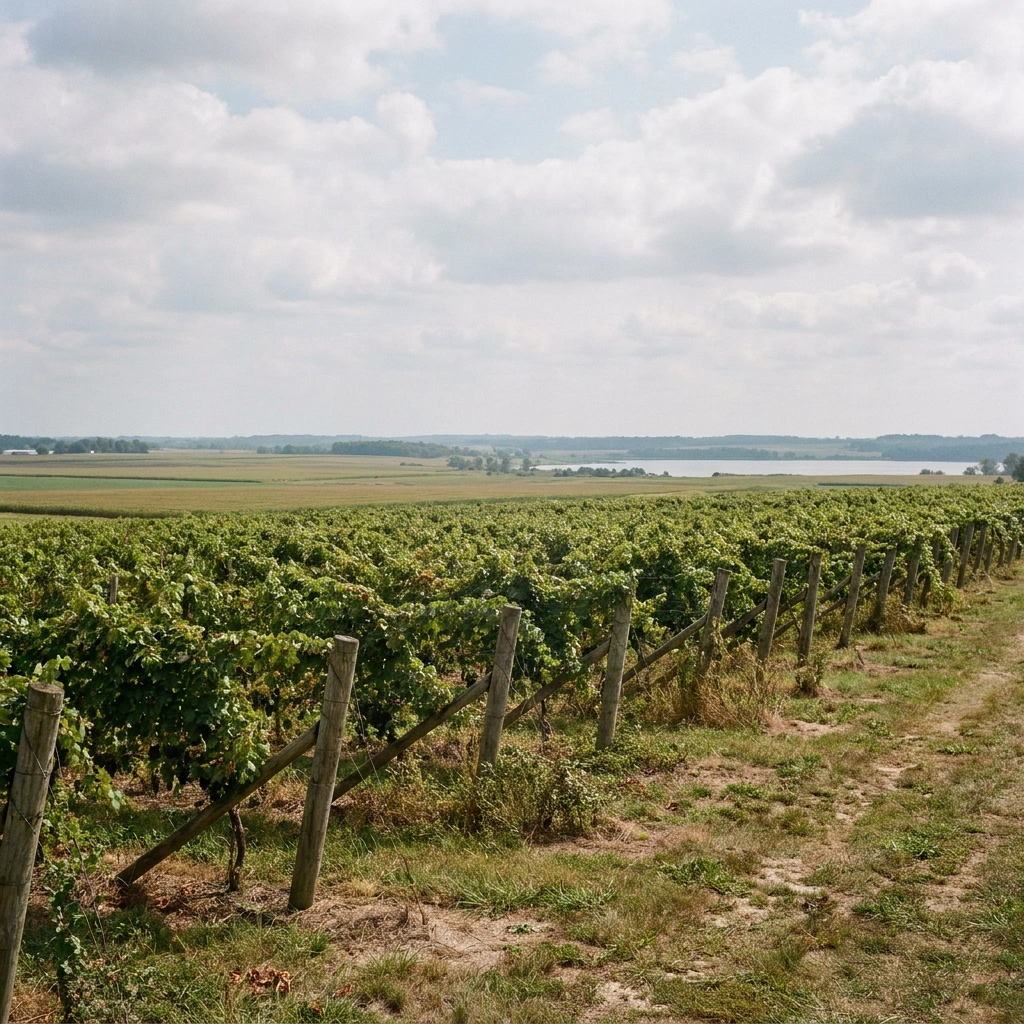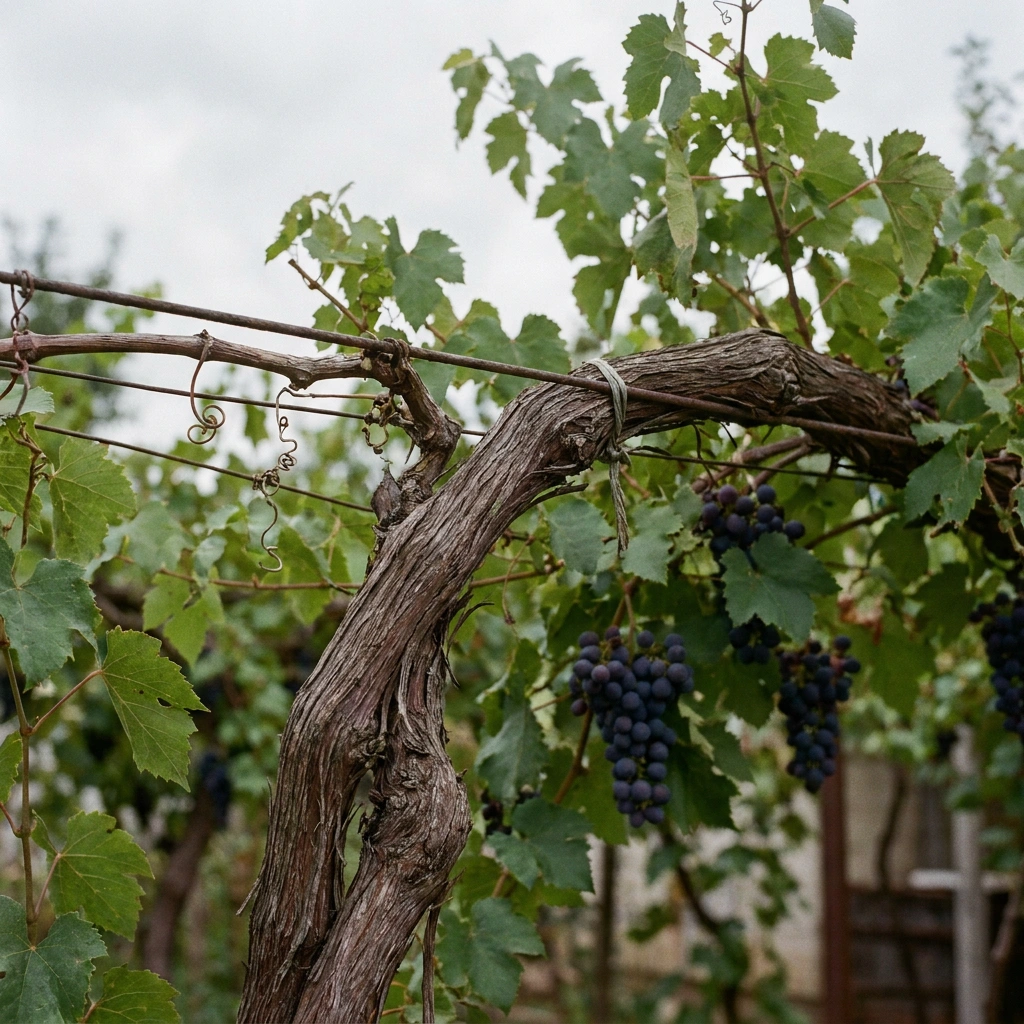
The most reliable cold-hardy grapes for Zones 3-5 are the University of Minnesota hybrids – Marquette, Frontenac, La Crescent, Itasca, and Petite Pearl. These interspecific hybrid varieties survive winters down to -30°F (-34°C) and ripen in 120-145 days, making them the only practical choice for northern home vineyards where European vinifera grapes simply can’t survive. Use our Grape Variety Finder to filter these varieties by your zone, use, and ripening window.
The gorgeous vinifera varieties – Cabernet Sauvignon, Chardonnay, Riesling – need mild winters and can’t survive temperatures below about -10°F (-23°C). For Zone 3, 4, and 5 growers, the answer came from decades of breeding work at the University of Minnesota (UMN), along with independent breeders like Elmer Swenson. The result: a new generation of cold-hardy hybrids that make genuinely good wine.
Why Cold-Hardy Hybrids Exist (And Why Vinifera Won’t Work)
European wine grapes (Vitis vinifera) evolved in Mediterranean climates. Their vines die back to the graft union – or entirely – at temperatures below -10°F to -15°F (-23°C to -26°C). In Wisconsin, Minnesota, or the Canadian border states, that wipes out the vine in most winters.
Starting in the 1970s, UMN’s grape-breeding program, led by researchers like Dr. Peter Hemstad and later Dr. Matthew Clark, crossed vinifera with hardy native species (Vitis riparia, V. labrusca, V. aestivalis) to create hybrids that keep the wine quality of vinifera while inheriting cold-hardiness from native American species. The University of Minnesota’s breeding program in particular gave us varieties like Marquette and Frontenac that survive -30°F (-34°C) and produce wine that wins awards.
Two Kinds of Hardiness: What the Numbers Actually Mean
When you see “hardy to -30°F” on a variety description, that refers to top-growth cane hardiness – the temperature at which dormant canes survive without significant damage. But site factors matter just as much:
- Snow cover provides significant insulation. A vine buried under 18 inches of snow is far safer than one exposed on a hilltop.
- Drainage affects whether the root zone freezes. Good drainage = safer roots.
- Air drainage – cold air flows downhill and pools in low spots. Plant on a gentle slope if possible.
- Bud hardiness varies by position on the cane. Primary buds (innermost) are most sensitive; secondary and tertiary buds are more frost-tolerant and can produce a reduced crop after a hard freeze.
If you’re unsure whether your season is long enough for a variety to ripen, check our Will My Grapes Ripen? tool – plug in your last frost date and first fall frost and it will tell you which varieties can reach harvest in your location.
How to Choose the Right Variety
Before picking a variety, answer these four questions:
- What’s your use? Red wine, white wine, juice, jelly, or fresh eating? Some varieties are genuinely dual-purpose; others are clearly best for one use.
- What’s your zone? Zone 3 growers need varieties rated to -35°F (-37°C) or below. Zone 4-5 growers have more options.
- How long is your season? A “very early” variety like Valiant needs only 120 days from bud break to harvest. A “mid-late” variety like Frontenac may need 140-145 days. Check the growing degree days (GDD) for your area.
- Do you want to manage acidity? Cold-climate varieties tend to run higher in acid than vinifera. La Crescent and Frontenac especially benefit from malolactic fermentation or partial de-acidification. Itasca and Petite Pearl are notably more balanced.
Use our Grape Variety Finder to filter the varieties below by your answers.
Cold-Hardy Grape Variety Comparison Table
All hardiness ratings are approximate top-growth cane hardiness from University of Minnesota Extension and Cornell Cooperative Extension research. Zone equivalents follow USDA Plant Hardiness Zone Map 2023 revision.
| Variety | Type / Use | Hardiness | Ripening | Wine / Use Style | Notes |
|---|---|---|---|---|---|
| Marquette | Red wine | ~-30°F (-34°C) / Z4 | Early-mid | Dry red | UMN flagship; high quality, moderate (good) disease resistance |
| Frontenac | Red wine | ~-35°F (-37°C) / Z3 | Mid-late | Red / port-style | Very hardy, vigorous, high acid – needs malolactic |
| Frontenac Gris | Gris / white wine | ~-35°F (-37°C) / Z3 | Mid | White / rosé | Mutation of Frontenac; distinctive peach and apricot notes |
| La Crescent | White wine | ~-35°F (-37°C) / Z3 | Mid | Aromatic white | Apricot, citrus, honey aromas; higher acid, needs management |
| Itasca | White wine | ~-30°F (-34°C) / Z4 | Early-mid | Crisp white | Newer UMN release; noticeably lower acid than La Crescent |
| Petite Pearl | Red wine | ~-30°F (-34°C) / Z4 | Mid-late | Dry red | Low acid, soft tannin, excellent structure; gaining in popularity |
| Brianna | White / table | ~-30°F (-34°C) / Z4 | Early | Sweet white | Fruity pineapple-and-peach notes; beginner-friendly, easy to grow |
| Edelweiss | White / table | ~-30°F (-34°C) / Z4 | Early | Table + off-dry wine | Reliable producer; eat fresh or make an easy off-dry white (less hardy than Frontenac or Itasca; may need winter protection) |
| Somerset Seedless | Red / table | ~-30°F (-34°C) / Z4 | Early | Fresh eating | Best cold-hardy seedless table grape; sweet, strawberry-like flavor |
| Bluebell | Blue / juice | ~-35°F (-37°C) / Z3 | Early | Juice / jelly | Concord-type flavor, much hardier than Concord; reliable crop |
| King of the North | Blue / juice | ~-35°F (-37°C) / Z3 | Mid | Juice / jelly | Tough and vigorous; reliable heavy producer in northern gardens |
| Valiant | Blue / juice | ~-45°F (-43°C) / Z2-3 | Very early | Juice / jelly | Among the hardiest grapes in cultivation; excellent for extreme zones |
Not sure which of these fits your setup? Use the Grape Variety Finder – filter by your zone, intended use, and season length to get a shortlist tailored to your vineyard.
The 5 Varieties Worth Knowing Best
Marquette
Released by UMN in 2006, Marquette is widely considered the gold standard for cold-climate red wine grapes. It produces deep-colored, complex dry reds with cherry and black pepper notes, good tannin structure, and – crucially – moderate (good) resistance to powdery mildew and downy mildew. It ripens early enough for Zone 4 growers and survives winters to about -30°F (-34°C). If you’re planting one red wine variety in Zones 4-5, Marquette is typically the first recommendation from UMN Extension.
Frontenac
Frontenac is the zone-pusher of the group – rated to Zone 3 (-30°F / -34°C) with exceptional vigor and productivity. The wine tends to run high in malic acid, so winemakers typically use malolactic fermentation to soften it, or produce a port-style wine where the residual sugar balances the acid. It’s an excellent choice for Zone 3 growers who need proven winter survival above all else. Frontenac Gris, a bud mutation of Frontenac, offers a similar hardiness profile but makes a lovely, more delicate aromatic white with peach and apricot character.
La Crescent
La Crescent is the standout aromatic white of the cold-climate lineup – apricot, citrus, and honey on the nose, with enough structure to age. Also a UMN release (2002), it’s rated to about -35°F (-37°C) and performs well in Zone 3-4. The main challenge is managing its naturally high acidity; experienced cold-climate winemakers often blend it or use partial de-acidification. When handled well, it produces wines that consistently surprise people who expect northern grapes to be simple.
Itasca
Itasca is a 2017 UMN release that specifically addresses the high-acid problem of La Crescent. According to UMN Extension, Itasca ripens with naturally lower acidity and higher sugar levels, making the winemaking more straightforward – especially for home winemakers who may not want to manage de-acidification. It’s rated to Zone 4 (-30°F / -34°C) and ripens early-mid season. If you found La Crescent too tart in past vintages, Itasca is worth trying.
Petite Pearl
Bred by Minnesota viticulturist Tom Plocher, Petite Pearl fills a specific gap: a cold-hardy red that is naturally lower in acid and softer in tannin, producing wines with excellent structure but more approachable drinkability than Marquette or Frontenac. It’s rated to about -30°F (-34°C) and has gained significant following among Minnesota and Wisconsin wineries looking for wines that appeal to broader audiences. Ripens mid-to-late season, so check your growing degree days if you’re in a short-season location.
Ripening and Season Length: A Practical Note
Cold-climate grapes ripen between early August (Valiant, Bluebell) and late September (Frontenac, Petite Pearl) in most Zone 4 locations. The actual window depends on your local growing degree day (GDD) accumulation, not just your hardiness zone – a Zone 4 location with a long warm summer is very different from one with a short cool one.
Use our Will My Grapes Ripen? tool to check if your specific location and season length can get a variety to full ripeness before your first hard fall frost. Knowing your Brix at harvest tells you most of what you need – for cold-climate hybrids, aim for 19-23° Brix for wine-quality fruit; juice and table varieties can be harvested earlier. See our harvest timing guide for how to read Brix in your home vineyard.
Planting, Spacing, and Pruning
Cold-hardy hybrids are vigorous – most of them grow faster than vinifera and benefit from proper vine spacing to avoid overcrowding and disease pressure. For Marquette, a common layout is 6 feet (1.8 m) apart in the row, with 10 feet (3 m) between rows. For the more vigorous varieties like Frontenac and King of the North, 8-10 feet (2.4-3 m) in-row spacing is often recommended. See our vine spacing guide for zone-specific recommendations.
Most cold-climate hybrids are trained on a high-cordon or bilateral cordon system and cane-pruned or spur-pruned in late winter. The University of Minnesota recommends waiting until the risk of the coldest temperatures has passed before pruning – usually late February to mid-March in Zone 4. See our pruning guide for a step-by-step approach.
Where to Source Vines
Finding bare-root cold-hardy hybrid vines can be tricky at big-box garden centers, which usually stock only Concord and Niagara. For these UMN varieties especially, we recommend cold-climate specialty nurseries – they understand the hardiness requirements and typically offer better plant material.
If you want to explore what’s available for delivery to your area, search cold-hardy grape vines on Amazon as a starting point – but treat dedicated viticulture nurseries (University of Minnesota’s licensees, Wisconsin nurseries, and cold-climate specialists) as the preferred source for bare-root hybrid vines. They’ll ship dormant vines at the right time for your zone and give you plants that are acclimated correctly.
Making Wine from Cold-Hardy Varieties
The winemaking process is essentially the same as for any other grape, with a few cold-climate-specific considerations: managing higher malic acid (malolactic fermentation is common for reds and La Crescent), adjusting sugar at harvest if needed, and watching for the tight-clustered varieties (Marquette, La Crescent) that can hold moisture and develop botrytis in wet falls. For a full walkthrough, see our home winemaking guide.
Frequently Asked Questions
What are the most cold-hardy grape varieties?
Valiant is one of the hardiest grapes cultivated anywhere, surviving to about -45°F (-43°C) – USDA Zone 2-3. Bluebell and King of the North follow at -35°F (-37°C), Zone 3. For wine-quality varieties, Frontenac and Frontenac Gris are also rated to Zone 3 (-35°F / -37°C). These are all well-documented by University of Minnesota Extension research.
Can you grow grapes in Zone 3 or Zone 4?
Yes. Zone 3 and Zone 4 growers have a solid selection of varieties specifically bred for those conditions – Frontenac, Marquette, La Crescent, Itasca, Valiant, Bluebell, and King of the North all perform in Zone 4, and several work in Zone 3. The key is choosing varieties rated for your zone AND checking that your season length (days between last spring frost and first fall frost) is long enough for the variety to ripen.
What is the difference between Marquette and Frontenac?
Both are UMN-bred cold-hardy red wine grapes, but they differ in character. Marquette tends to produce more refined, complex dry reds with better natural acid/sugar balance and excellent disease resistance. Frontenac is more vigorous, more productive, and hardier (Zone 3 vs. Zone 4), but its high malic acid content requires careful winemaking. Frontenac is often used for port-style or blended wines; Marquette for table-style dry reds.
Which cold-hardy grape makes the best white wine?
La Crescent is the most complex and aromatic, with distinct apricot and citrus notes – the showpiece white of cold-climate viticulture. Itasca is more balanced and easier to make into approachable dry whites. Frontenac Gris offers delicate peach-apricot character. For beginners, Brianna and Edelweiss are easier to grow and produce pleasant fruity whites, though they are less complex than the UMN wine-focused varieties.
Do cold-hardy grapes taste different from regular grapes?
The best cold-hardy wine varieties – especially Marquette, La Crescent, and Petite Pearl – produce wines that wine judges and consumers regularly find comparable to good value vinifera wines. The juice and table varieties (Valiant, King of the North, Bluebell) have a pronounced “foxy” or Concord-like character that is very different from European wine grapes. The UMN wine varieties were specifically bred to minimize that character and maximize vinifera-like quality.
🍇 Don’t plant the wrong grape
Vines take years to fruit. Get the free cheat-sheet of varieties that actually survive and ripen in your zone.
By subscribing you agree to our Privacy Policy.