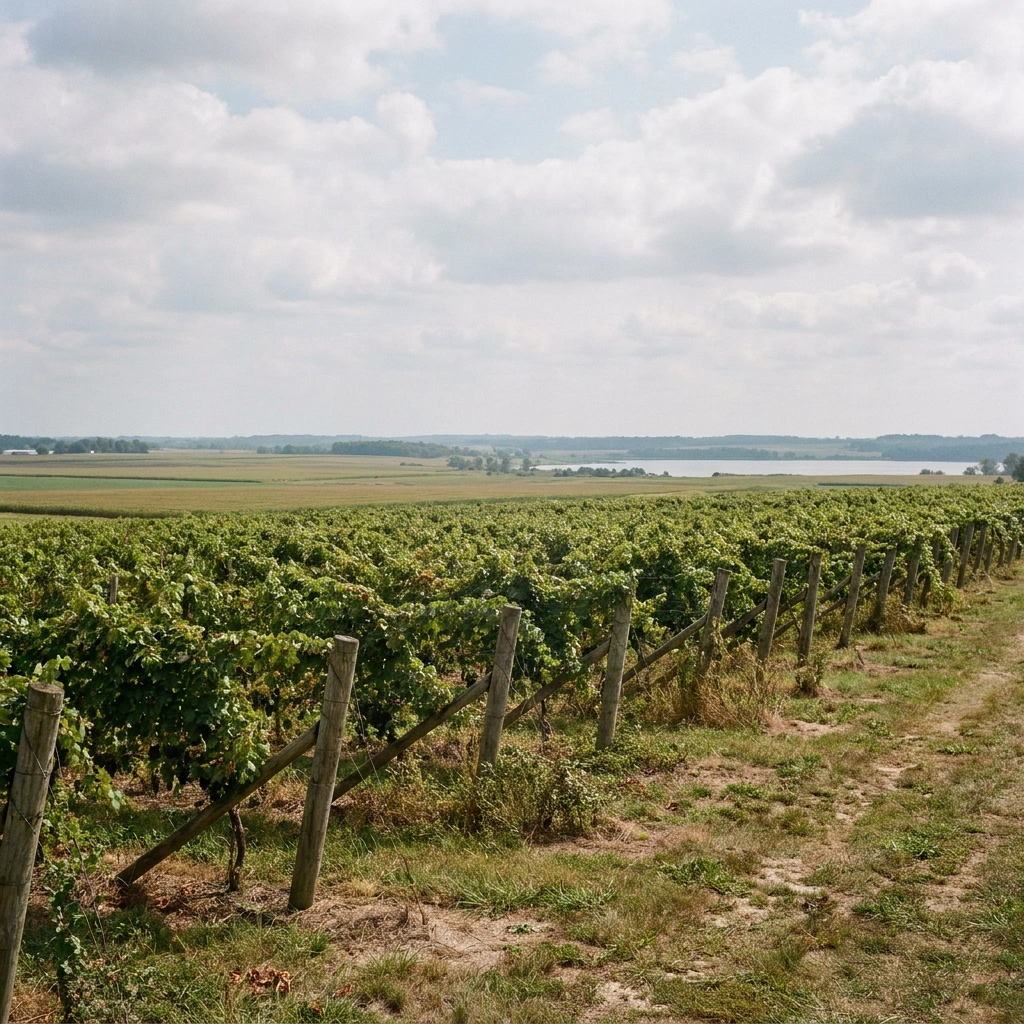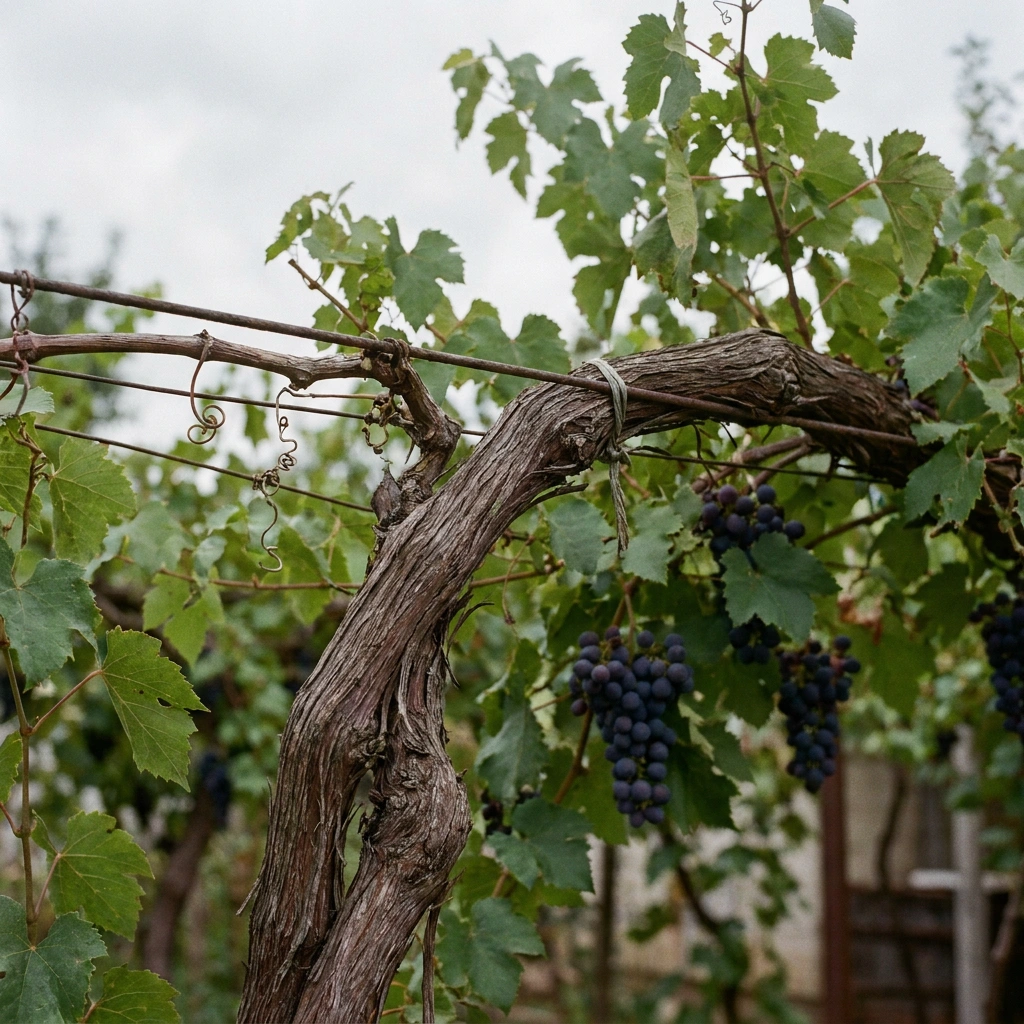
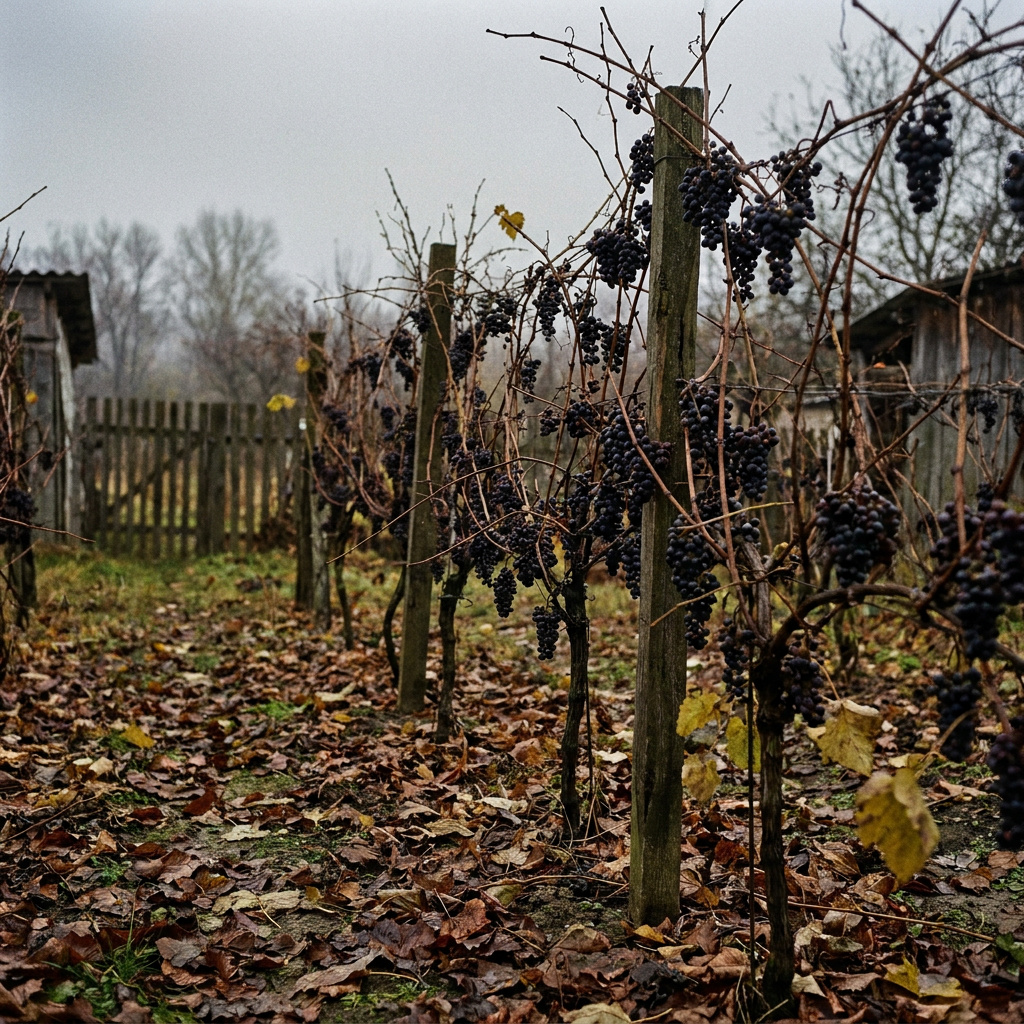
The best grapes for Zone 4 are varieties rated to survive at least −30 °F (−34 °C). The safest go-to picks are Marquette, Frontenac, La Crescent, and Valiant – all bred or selected specifically for northern growing conditions and proven across the Upper Midwest and Canada. For red wine, start with Marquette and Frontenac; for white, La Crescent; for juice and jelly, nothing beats Valiant for sheer cold endurance.
What Zone 4 Actually Means for Grape Growing
USDA Zone 4 covers winter low temperatures of roughly −20 °F to −30 °F (−29 to −34 °C). That range is brutal for most European wine grapes (Cabernet, Chardonnay, Riesling) and even tough for popular mid-range varieties like Concord in the worst spots. To play it safe, look for varieties with a stated cold hardiness of −30 °F or colder – that gives you a buffer in the years when a polar vortex dips below the zone average.
Season length matters too. Zone 4 growers often have 120–140 frost-free days. Varieties that ripen in “mid-late” or “late” season can be tight – a wet, cool September can leave clusters under-ripe. If you want a reliable harvest every year, early-ripening types (Marechal Foch, Valiant, Frontenac Gris in warm sites) are lower-risk than late-season ones. Track your growing degree days each summer with the Will My Grapes Ripen? GDD tool to see how your site compares to the variety’s target.
Best Red Wine Grapes for Zone 4
These four reds are the workhorses of the northern wine belt. All are hybrid varieties developed with cold hardiness as a primary goal, which means they don’t taste like Cabernet – but in the right hands they produce genuinely compelling wine.
| Variety | Hardiness | Zone | Ripening | Style |
|---|---|---|---|---|
| Marquette | −36 °F / −38 °C | Z4 (safe to Z3) | Late September | Balanced dry red, cherry and pepper |
| Frontenac | −35 °F / −37 °C | Z3–4 | Late Sept–Oct | High-acid red or port-style; rosé option |
| Petite Pearl | −30 °F / −34 °C | Z4 | Mid-late season | Low-acid tannic dry red; tight clusters |
| Marechal Foch | −25 to −30 °F / −32 to −34 °C | Z4 | Very early (mid-Aug) | Light Beaujolais-style; lowest risk for short seasons |
Our pick for beginners: Marquette is the University of Minnesota’s flagship red for good reason. It handles Zone 4 extremes comfortably, ripens with decent Brix (typically 24–26 in a good year), and produces a wine with real structure. Marechal Foch is the safety net if you have a short season – it’s one of the earliest-ripening wine reds you can find.
Best White Wine Grapes for Zone 4
White wine options have expanded considerably over the past decade. La Crescent is the crowd favorite, but Itasca is gaining ground fast for growers who want a lower-acid, more approachable white.
| Variety | Hardiness | Zone | Ripening | Style |
|---|---|---|---|---|
| La Crescent | −36 °F / −38 °C | Z3–4 | Late season | High-acid aromatic; apricot and citrus notes |
| Itasca | −30 °F / −34 °C | Z4 | Mid-September | Lower-acid, crisp white; easier drinking than La Crescent |
| Frontenac Gris | −35 °F / −37 °C | Z3–4 | Late season | High-acid aromatic; peach, melon; pinot gris character |
Note on La Crescent: it can be brutally high in acid fresh off the vine – aim for pH around 3.1–3.3 and consider malolactic fermentation or blending. Itasca was released by UMN specifically to address the acid problem; it’s a bit less aromatic but much more forgiving in the glass.
Best Grapes for Juice, Jelly and Table Use in Zone 4
If wine isn’t your goal, or you want something bulletproof as a starting plant, these varieties deliver reliable crops at Zone 4 and colder with minimal fuss.
- Valiant — Hardiness −45 °F / −43 °C, Zone 2–3. Very early (late July–early Aug). The single toughest widely-available variety. Intense Concord-like flavour; excellent for juice, jelly, and jam. Not a wine grape, but if you’re in Zone 4 and want guaranteed fruit every year, start here.
- King of the North — Similar hardiness range to Valiant; blue-black fruit with fox grape flavour. Good for juice. (See the full variety hub.)
- Bluebell — Z4–5; heavy producer with Concord-type fruit; reliable for fresh eating and juice. (Variety hub.)
- Edelweiss — White/green table and fresh-juice grape; mild Labrusca character; Z4–5 depending on site. (Variety hub.)
- Brianna — White wine/juice; fruity, apple-pear character; rated to Zone 4 in sheltered sites. (Variety hub.)
Catawba and Niagara: Zone 5 Grapes, Not Zone 4
It’s worth being straight about this, because these two names come up constantly in Zone 4 discussions and they don’t belong there as first choices.
Catawba and Niagara are both rated to roughly −15 to −20 °F (−26 to −29 °C). That puts them squarely in Zone 5 territory. In a protected Zone 4 site – south-facing slope, near a large body of water, or urban heat island – they might pull through most winters. But in an exposed Zone 4 site you’ll lose canes in cold winters and potentially lose the whole vine in a severe year. If you decide to try them, plan on hilling the crown with soil in November and covering the canes. They’re not beginner Zone-4 plants; they’re a project for growers who already have a few harvests under their belt and want to push the envelope.
Bottom line: for reliable Zone 4 production, stick to the varieties in the tables above. Save Catawba and Niagara for Zone 5.
Where to Find These Varieties
Not all of these show up at local garden centers. For cold-hardy certified varieties, look to specialty cold-climate nurseries. A few reliable sources that carry the UMN releases (Marquette, La Crescent, Frontenac, Itasca, Frontenac Gris, Petite Pearl): Stark Bro’s, St. Lawrence Nurseries, and the UMN licensing page where you can find authorized propagators.
Match Your Variety to Your Goals: Use the Finder
The tables above give you the shortlist. But the right choice also depends on your soil drainage, your microclimate, whether you want to make wine or juice, and how much trellis work you’re willing to take on. Use these two tools to narrow it down:
Once you know what you’re planting, see how to prepare your soil and plant a grape vine for the practical next step. Trellis and spacing choices matter more than most people realize early on – the grape vine spacing guide and trellis systems overview are worth reading before you set your first post.
Frequently Asked Questions
What grapes grow in Zone 4?
The best grapes for Zone 4 are cold-hardy hybrids rated to −30 °F (−34 °C) or colder. Reliable picks include Marquette and Frontenac for red wine, La Crescent and Itasca for white wine, and Valiant for juice and jelly. All are grown commercially and by home growers across Wisconsin, Minnesota, Michigan, and similar Zone 4 regions.
Can you grow Concord grapes in Zone 4?
Concord is generally rated to about −20 °F (−29 °C), which puts it on the warm edge of Zone 4 reliability. In sheltered Zone 4 sites it usually survives, but in exposed locations with frequent polar vortex dips it can lose canes or die back to the crown. If you love the Concord-type flavor, Valiant (rated to −45 °F) is a much safer Zone 4 alternative with similar juice/jelly character.
Is Marquette a good grape for Zone 4?
Yes — Marquette is one of the top Zone 4 red wine grapes. It’s rated to −36 °F (−38 °C), so it handles Zone 4 winters with a comfortable buffer. Released by the University of Minnesota, it ripens in late September with Brix levels suitable for serious winemaking and produces a balanced dry red with cherry, pepper, and earthy notes.
Are Catawba or Niagara grapes suitable for Zone 4?
Both Catawba and Niagara are Zone 5 grapes, rated to about −15 to −20 °F (−26 to −29 °C). They are marginal in Zone 4 — possible in very sheltered sites with winter cane protection, but not reliable choices for open Zone 4 plantings. For dependable Zone 4 production, choose Marquette, Frontenac, La Crescent, or Valiant instead.
How many grape vines should I plant in Zone 4?
For a home winemaker wanting to produce 5–10 gallons (19–38 L) per year, 6–10 vines is a reasonable starting point, depending on variety yield. Space vines 6–8 feet (1.8–2.4 m) apart on a row. In Zone 4, plant on the highest, best-drained spot on your property — cold air drains downhill, so low spots get harder frosts. See the grape vine spacing guide for row width and trellis layout details.
🍇 Don’t plant the wrong grape
Vines take years to fruit. Get the free cheat-sheet of varieties that actually survive and ripen in your zone.
By subscribing you agree to our Privacy Policy.