Author name: Pete Lindgren

Pete Lindgren is a retired Wisconsin teacher who tends a Zone 4 home vineyard of cold-hardy grapes and compiles cold-climate viticulture research so new growers can skip the mistakes he made.

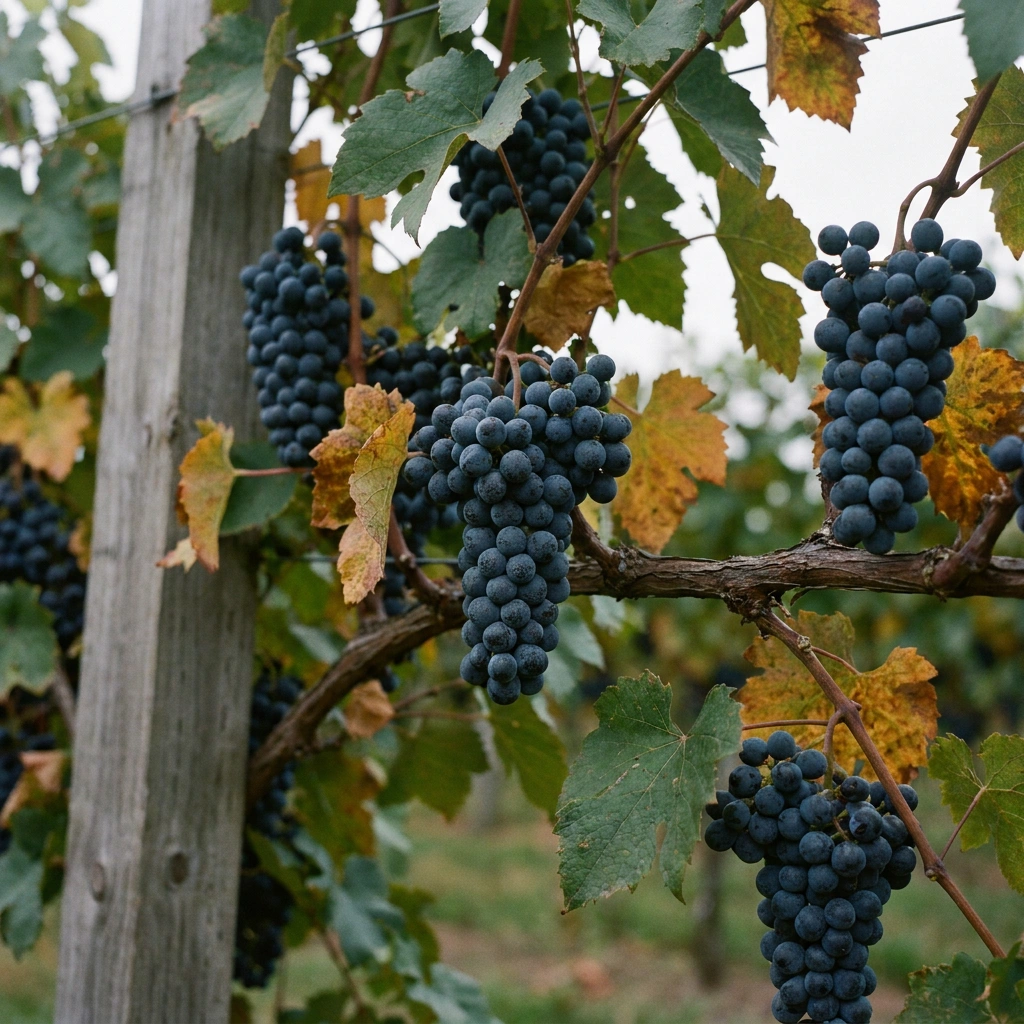
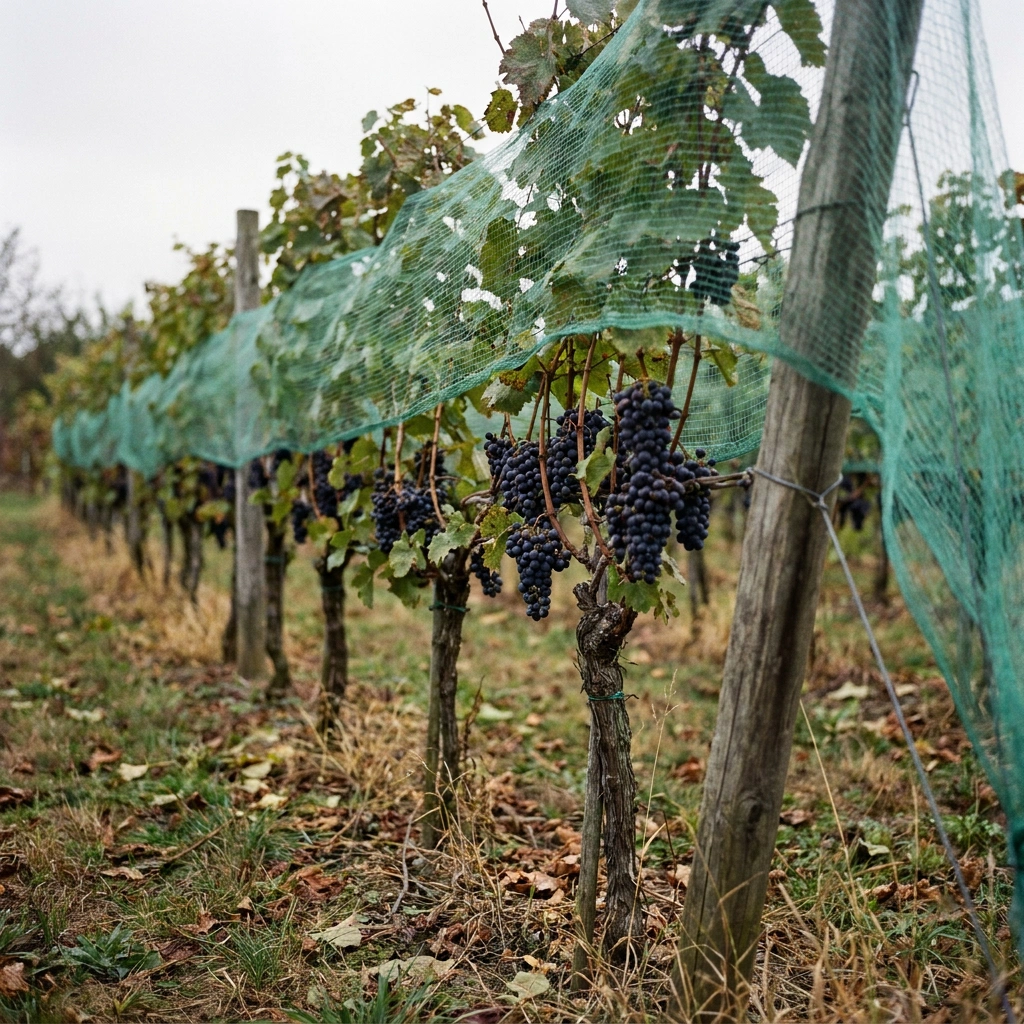
Dark blue-black Marquette wine grape clusters hanging on a trellised vine in a cool-climate vineyard under overcast autumn skies
Grape Growing

Growing Marquette Grapes: The Cold-Hardy Red Wine Variety

Marquette is a cold-hardy red wine hybrid from the University of Minnesota (released 2006) that survives winters down to around -30°F (-34°C). It is rated for USDA Zone 4 and warmer, ripens mid-to-late season, and produces a medium-bodied dry red wine with cherry, black pepper, and earthy complexity. This guide covers site selection, planting, training, winter care, disease management, harvest, and winemaking for cold-climate home vineyards.

Growing Marquette Grapes: The Cold-Hardy Red Wine Variety Read Post »

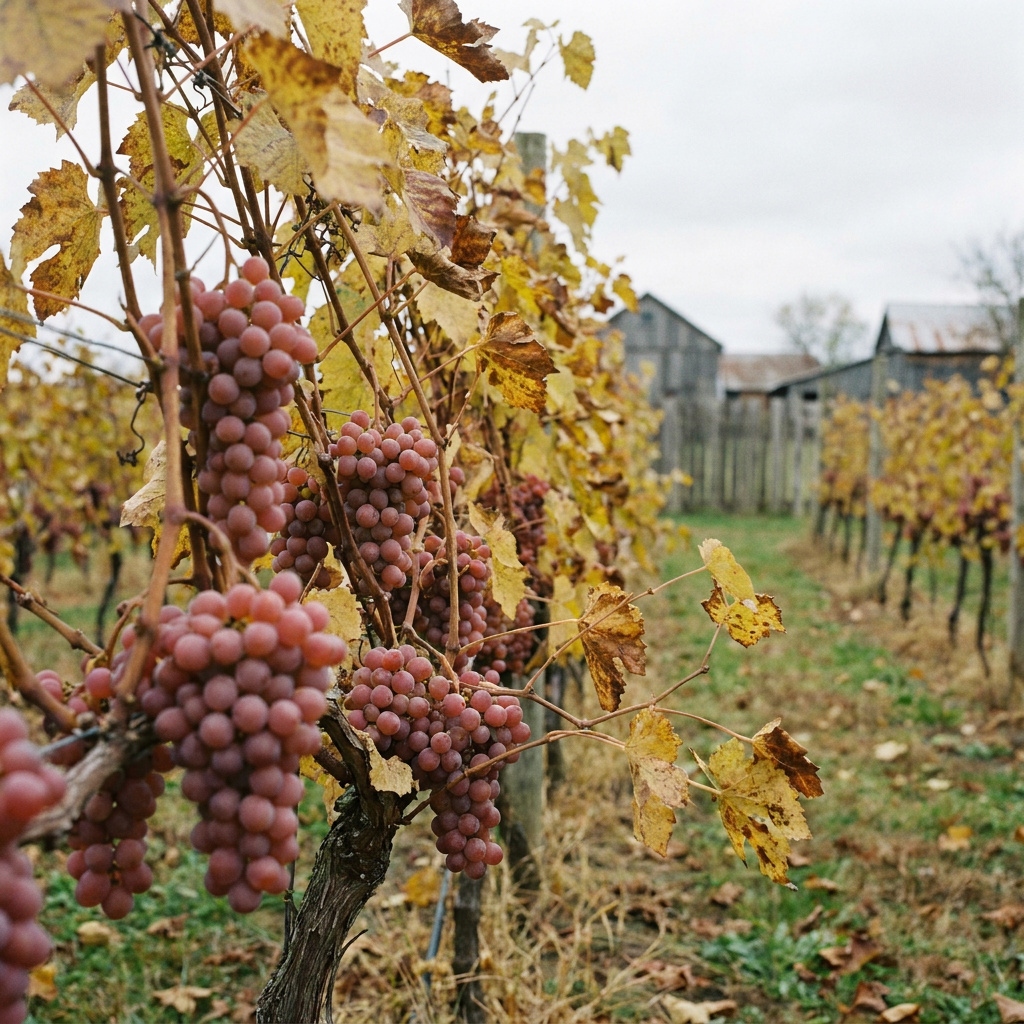
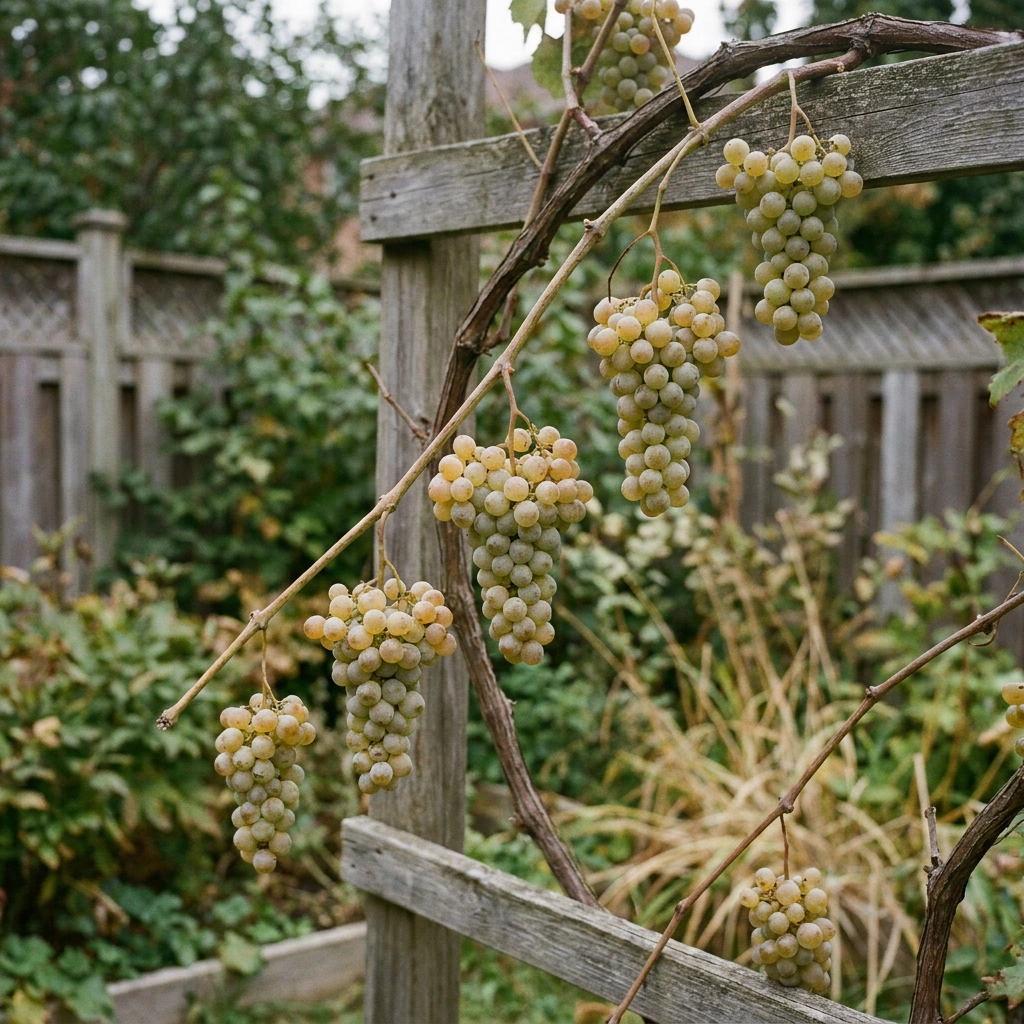
Ripe pink Catawba grape clusters hanging on the vine in a home vineyard in late autumn
Grape Growing

Growing Catawba Grapes: A Complete Guide to the Classic American Variety

Catawba is one of America’s oldest wine grapes — a pink, slip-skin labrusca hybrid with rich history dating to the 1820s. It’s cold-hardy to around USDA Zone 5–6 (-10 to -20°F / -23 to -29°C), but its Achilles heel is a very long ripening season. If you’re in Zone 4 or shorter-season areas, read this before you plant.

Growing Catawba Grapes: A Complete Guide to the Classic American Variety Read Post »

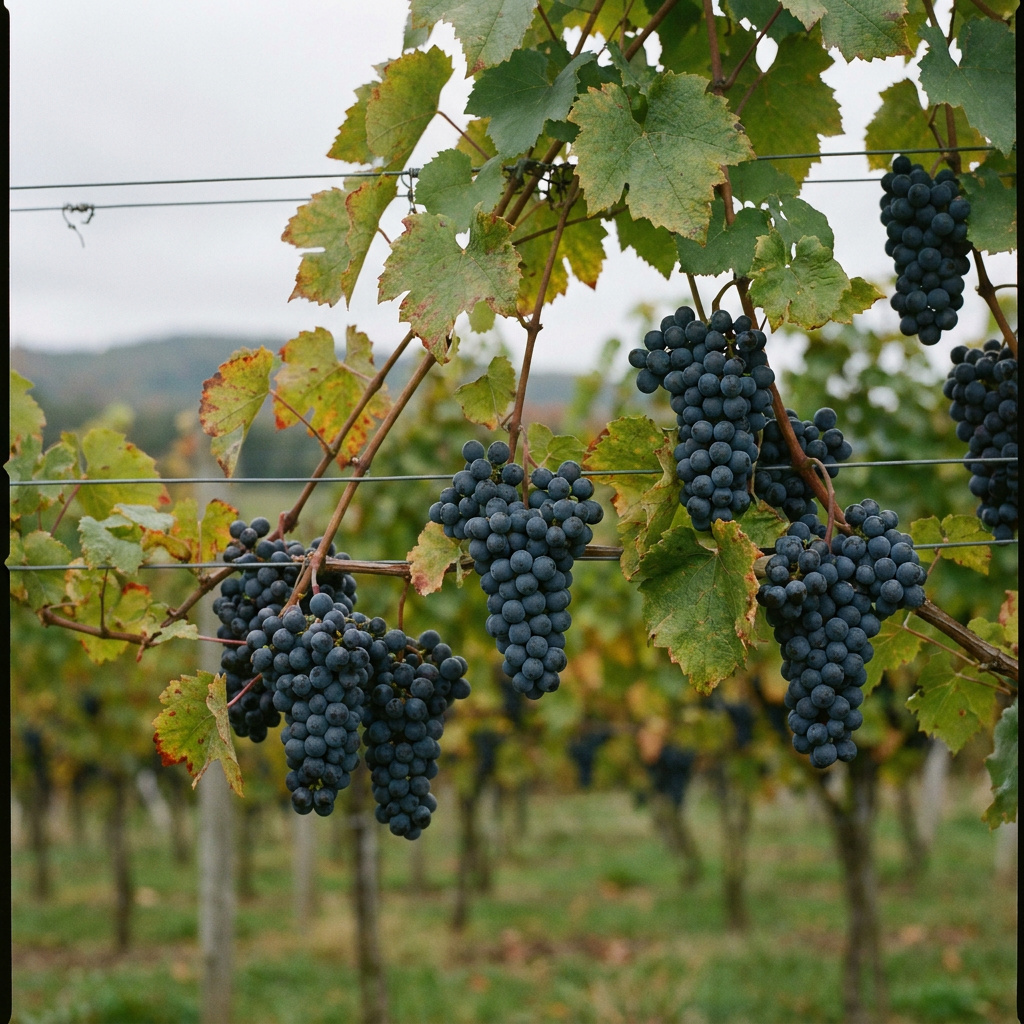
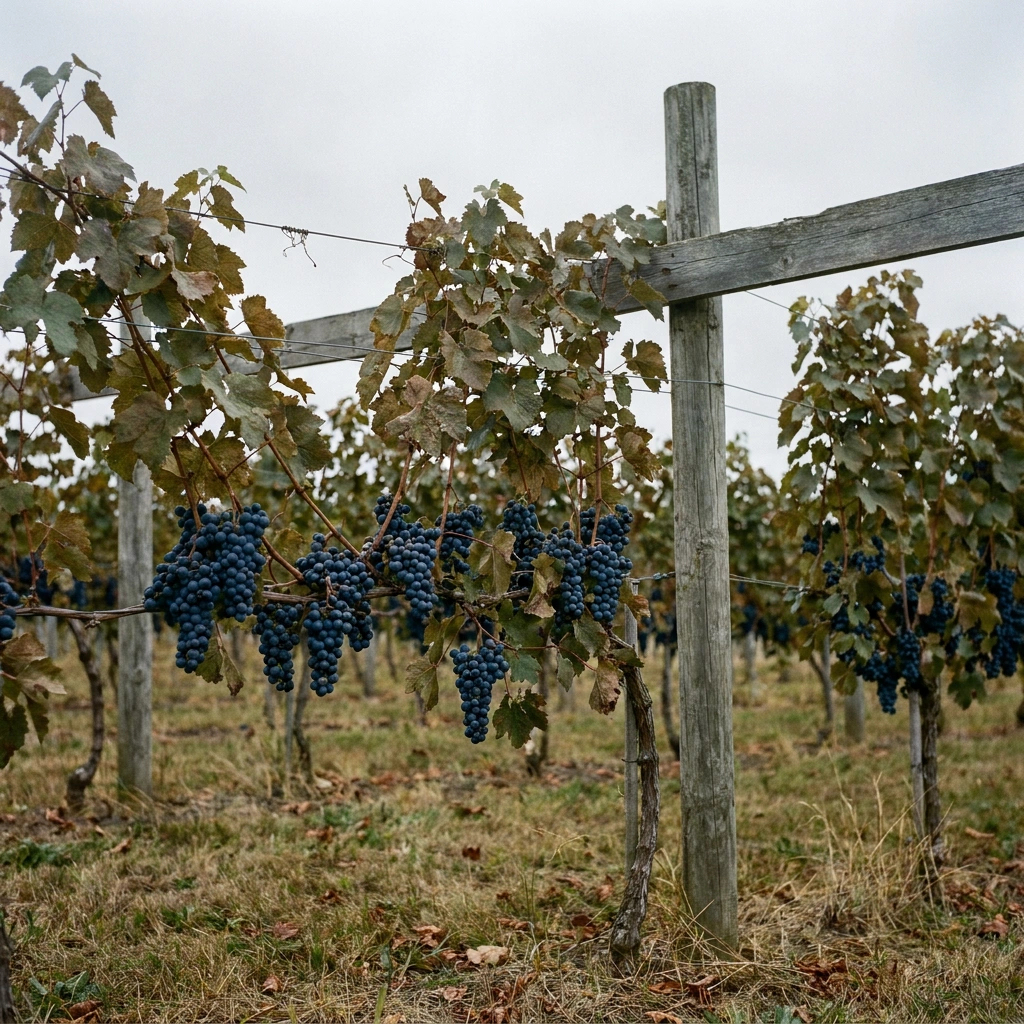
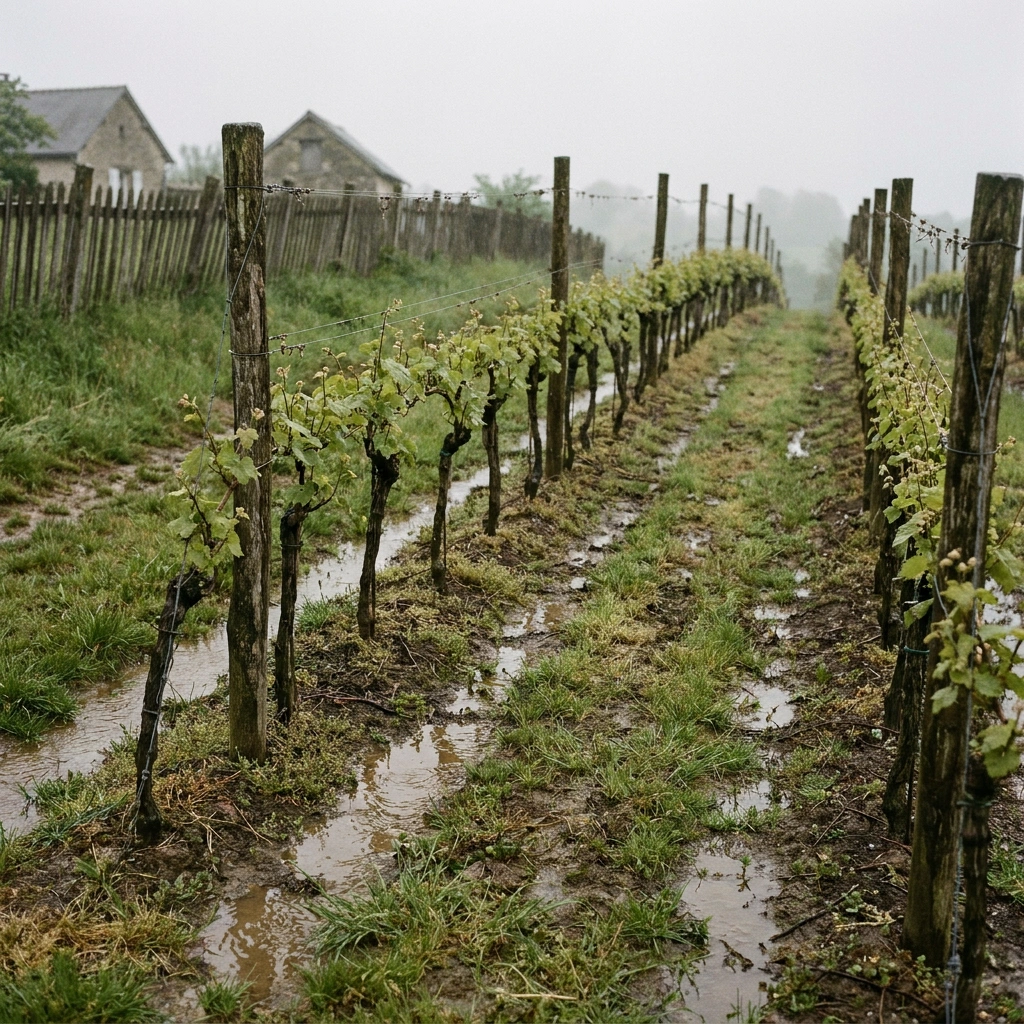
Dark blue-purple grape clusters on wooden trellis posts in a cold-climate northern vineyard under overcast sky
Grape Growing

Cold-Hardy Grape Varieties: The Complete Zone 3–6 Guide (2026)

The most reliable cold-hardy grapes for Zones 3–5 are University of Minnesota hybrids — Marquette, Frontenac, La Crescent, Itasca, and Petite Pearl. This guide compares 12 varieties by hardiness, ripening, and use — with a comparison table and tips for choosing the right one for your zone.

Cold-Hardy Grape Varieties: The Complete Zone 3–6 Guide (2026) Read Post »

Scroll to Top